WASHINGTON D.C January 17, 2026 – The U.S. Central Command (CENTCOM) announced a precision airstrike in northwest Syria that killed Bilal Hasan al-Jasim, a senior leader affiliated with Al-Qaeda, who was directly linked to the ISIS-perpetrated ambush that claimed the lives of two American service members and a Syrian interpreter last month. The operation, conducted on January 16, underscores the ongoing U.S. commitment to combating terrorism in the region amid escalating tensions in post-Assad Syria.
According to CENTCOM’s statement, al-Jasim played a key role in orchestrating the December 13, 2025, attack near Palmyra, where an ISIS gunman targeted U.S. and Syrian Democratic Forces (SDF) personnel. The ambush resulted in the deaths of the two U.S. troops and the interpreter, with additional injuries reported. This strike is part of the broader “Hawkeye Strike” retaliation campaign, which has targeted over 100 ISIS-related sites and eliminated dozens of operatives since the incident. President Trump had previously vowed a “serious response” to the attack, emphasizing a renewed focus on eradicating terrorist networks.
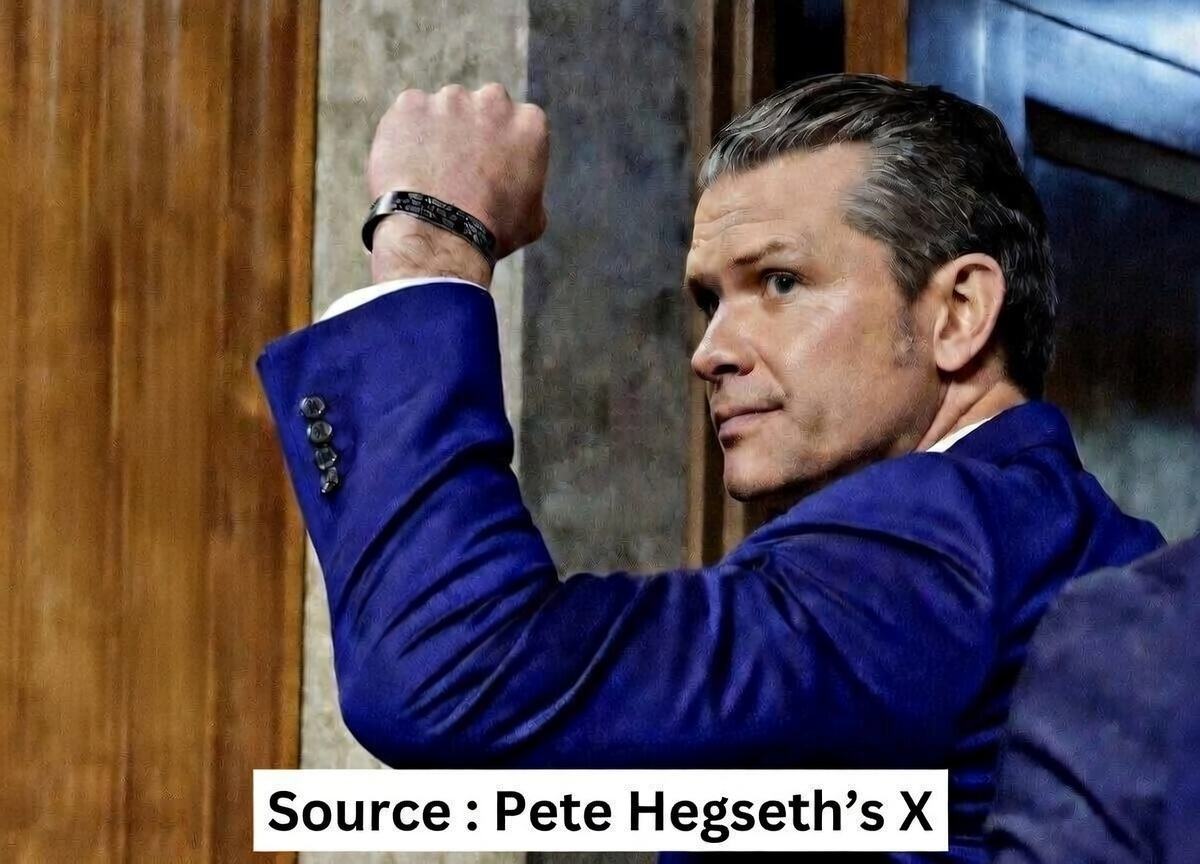
Secretary of War Pete Hegseth, in a post on X, reaffirmed the administration’s stance, stating, “We will never forget, and never relent.” Hegseth’s comment, which quoted CENTCOM’s announcement, highlights the personal resolve of U.S. leadership in pursuing justice for fallen service members. As the newly appointed Secretary of War—reflecting the department’s rebranding under the Trump administration—Hegseth has been vocal about prioritizing American security and veteran affairs.
The strike occurs against a backdrop of instability in Syria following the fall of the Assad regime in late 2025. The new Syrian government, led by figures associated with Hayat Tahrir al-Sham (HTS), a group with historical ties to Al-Qaeda, has drawn criticism for its alleged extremist leanings. Critics, including Kurdish allies in the SDF, have accused the regime of harboring ISIS sympathizers and planning to release detainees from camps like al-Hol. U.S. forces remain partnered with the SDF in eastern Syria to prevent ISIS resurgence, but recent advances by Damascus-aligned factions toward Raqqa—home to a major ISIS prison—have raised alarms about potential mass releases of militants.
Reactions to the strike have been mixed. Supporters praised it as a decisive blow against terrorism, with one X user calling it “justice delivered” and invoking “peace through strength.” However, skeptics questioned the U.S. presence in Syria, with some alleging that CENTCOM’s labeling of targets as “ISIS” or “Al-Qaeda” serves to justify continued operations. Kurdish voices urged the U.S. to extend similar actions against other threats, including HTS leader Ahmed al-Sharaa (also known as Abu Mohammad al-Julani), warning that failing to support allies could erode trust.
No civilian casualties were reported in the strike, per CENTCOM, which continues to monitor terrorist activities in the region. The operation aligns with broader U.S. efforts to dismantle networks responsible for attacks on American personnel, a priority reiterated by the Trump administration since taking office.
This development comes as U.S. forces face ongoing threats in the Middle East, with over 900 troops still deployed in Syria as part of anti-ISIS operations. Analysts suggest that such targeted strikes may intensify as the new Syrian government consolidates power, potentially straining U.S. relations with regional players like Turkey, which has been accused of supporting extremist factions.
Life News Agency will continue to monitor updates on U.S. military actions in Syria.
About The Author