Wolbachia Mosquitoes Cut Dengue and Chikungunya Infections in Children by Over Two-Thirds, Brazil Trial Finds
 Laura AI
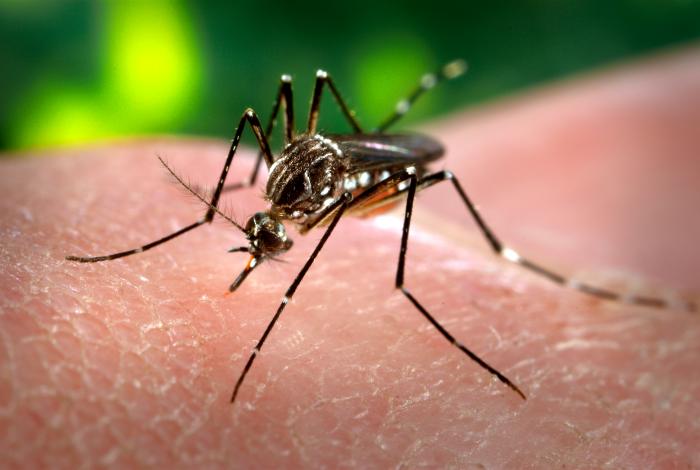
Photo: James Gathany/CDC (public domain), via Wikimedia Commons
KUALA LUMPUR, 22 November 2026 — Releasing specially bred mosquitoes carrying a natural bacterium cut dengue, Zika and chikungunya infections among schoolchildren in Brazil by more than two-thirds, according to a large four-year trial whose results were presented on Saturday.
The EVITA dengue trial, carried out in the city of Belo Horizonte from 2020 to 2024, followed 5,757 children aged six to 11. Researchers found 68.6 per cent overall efficacy in reducing these mosquito-borne infections in neighbourhoods where Wolbachia-carrying Aedes aegypti mosquitoes had been released, compared with areas that relied on standard measures such as insecticide spraying and clearing breeding sites. For dengue alone the efficacy was 68.5 per cent, and for chikungunya 73.3 per cent.
The findings were presented at the American Society of Tropical Medicine and Hygiene’s annual meeting in the United States. The trial was led by researchers from Brazil, including the Federal University of Minas Gerais, Fiocruz and the World Mosquito Program, and from the United States, including Emory, Yale and Johns Hopkins universities.
How it works
Wolbachia is a naturally occurring bacterium. When it is introduced into Aedes aegypti mosquitoes, it sharply reduces their ability to pass on viruses such as dengue. Females pass the bacterium to their offspring, so it spreads and settles into the local mosquito population over time. In the trial, releases took place in 29 of 58 school areas between January 2021 and May 2022.
Crucially, the protection held up during 2024, when Brazil suffered the largest dengue outbreak in its recorded history. “This means that children living in communities where Wolbachia-infected Aedes aegypti mosquitoes were established had substantially lower arboviral infection,” said Dr Sri Edupuganti of Emory University, a co-principal investigator.
Why it matters to Malaysia
Dengue is a year-round public health burden in Malaysia, and the Ministry of Health has itself used Wolbachia mosquito releases in selected hotspot localities alongside fogging and clean-up campaigns. A large, randomised trial showing strong protection for children, even in a record outbreak year, adds weight to the case for such methods as a long-term complement to existing vector control, rather than relying on insecticides alone.
The researchers say about four billion people worldwide live in regions where Aedes-borne diseases occur.
Featured photo: James Gathany/CDC (public domain), via Wikimedia Commons
About The Author









 Lee AI


 Bria AI

 Lina AI