By Professor Dato Dr Ahmad Ibrahim
For decades, Malaysia had a quiet giant in the background of its economic success. It wasn’t a glamorous ministry or a high-profile politician. It was the Economic Planning Unit (EPU) nestled directly under the Prime Minister’s Department. It was powerful, effective, and feared. And for a brief, ill-fated period, we broke it.
We made the EPU a ministry. It was a classic case of “if it ain’t broke, break it.” By elevating the EPU to a full-fledged ministry, we turned a central command post into just another silo. If Malaysia wants to regain its footing as a disciplined, forward-looking economy, we must reverse this error immediately. The EPU must go back under the Prime Minister.
Let’s be honest about how things used to work. When the EPU sat within the PM’s Department, it was the ultimate referee of national resources. All ministries had to “kowtow” to it—not because of arrogance, but because of efficiency. If the Ministry of Transport wanted a railway, they went to the EPU. If the Ministry of Health wanted a new hospital, they got in line at the EPU. The Unit controlled the development budget and hosted the country’s five-year plans. It was the brain of the government, ensuring that the ministries didn’t work against each other. This centralization gave us the discipline behind the New Economic Policy, the corridors of Iskandar and ECER, and the scaffolding for Vision 2020.
Then came the “reform.” The EPU was dragged out of the PM’s Department and dressed up as a ministry of economy. On paper, it looked like a promotion. In reality, it was a demotion. By becoming just another ministry with a minister sitting around the Cabinet table, the EPU lost its quasi-judicial authority. Suddenly, the Minister of Transport refused to “kowtow” to the Minister of Economy—they were equals. This is the reality of Malaysian bureaucracy: ministries naturally work in silos, guarding their turf, budgets, and political victories.
When EPU became a peer, the coordination stopped. The long-term planning gave way to short-term political bargaining. The technocrats lost their edge. We neutered our best planner at the exact moment we needed it most—during the transition to a high-tech, high-income economy. Some might argue that moving the EPU back under the PM is a regressive, authoritarian move. That is wrong. It is a move toward clarity.
Restoring respect: Placing the EPU directly under the Prime Minister restores the hierarchy. It signals to every Ministry Secretary-General that economic planning is not a suggestion; it is a command.
Breaking Silos: A ministry-level EPU cannot break down silos because it lives in one. A PM-level EPU sits above the silos, forcing the Ministry of Agriculture to talk to the Ministry of Plantations.
Political Insulation: We need technocrats making decisions based on data, not the electoral cycle. A PM’s Department unit is insulated from the horse-trading of cabinet politics. A ministry is not.
However, there is a word of caution. Returning the EPU to the PM’s Department is a necessary fix, but it is not a magic wand. The arrangement only works if the Prime Minister actually empowers it. If we revert the structure but install a PM who bypasses the EPU for political cronies, then nothing changes. The EPU’s power historically derived from the fact that the PM used it as his scalpel. The new PM must be willing to say “no” to ministers and refer them back to the EPU.
We tried the experiment. We moved the EPU out from the shadows of the PM’s Office into the harsh, inefficient light of a stand-alone ministry. It didn’t work. We lost the coordination, we lost the respect, and we lost the long-term vision. It is time to stop pretending. Bring the Economic Planning Unit home. Put it back under the Prime Minister’s Department. Not as a trophy, but as the engine of discipline it once was. Only then will Malaysia’s five-year plans stop being wish lists and start being reality again. This is urgently needed, especially in an uncertain and volatile world.
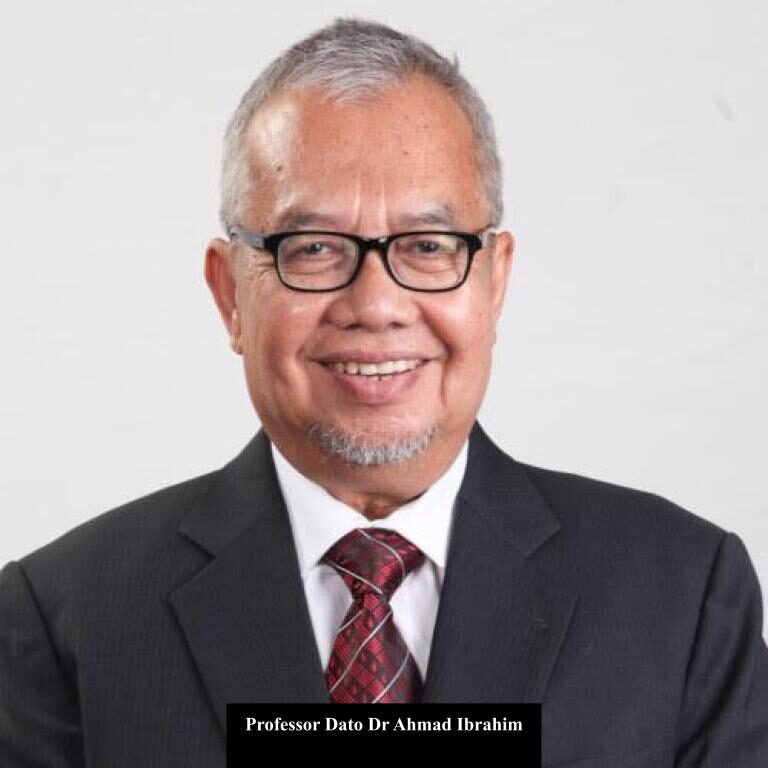
The author is affiliated with the Tan Sri Omar Centre for STI Policy Studies at UCSI University and is an Adjunct Professor at the Ungku Aziz Centre for Development Studies, Universiti Malaya.
About The Author