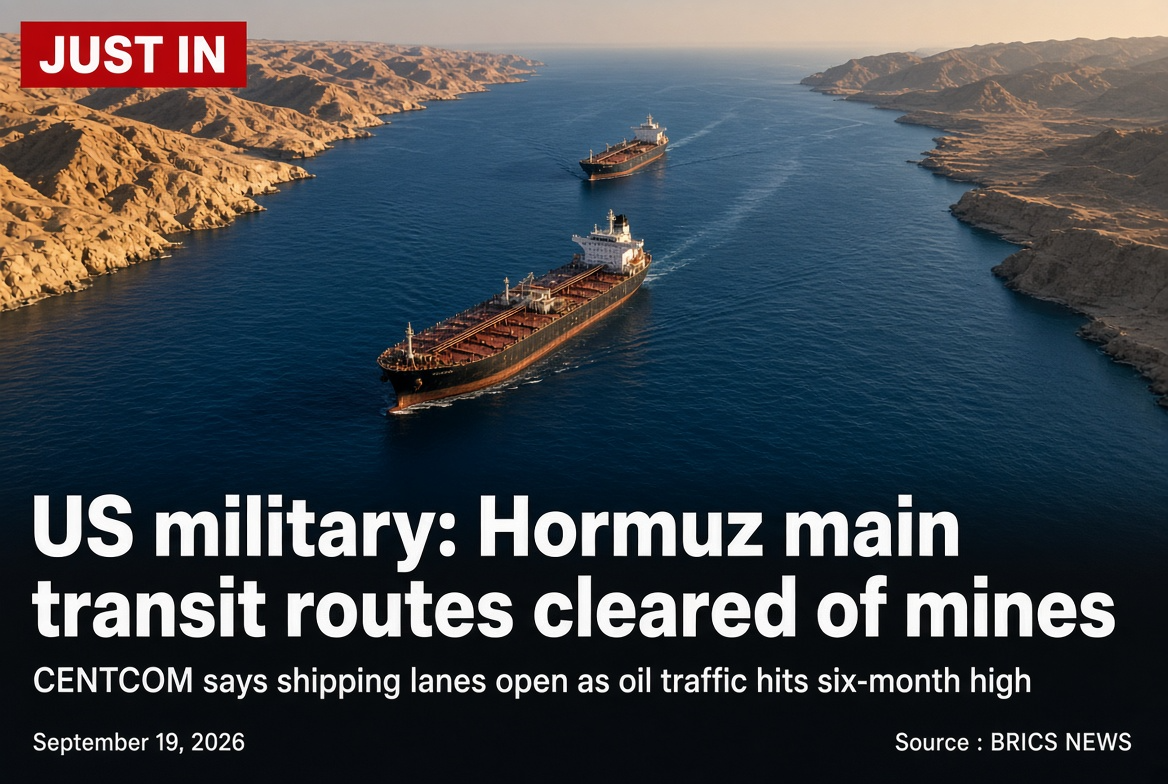
WASHINGTON D.C Sept 19, 2026 – The U.S. military said Saturday that the main transit routes through the Strait of Hormuz have been cleared of mines, as American forces report a rebound in oil and cargo traffic through the world’s most important energy chokepoint.
Adm. Brad Cooper, commander of U.S. Central Command, said in a video update that primary shipping lanes are clear and that “momentum is building.” He said CENTCOM forces have helped more than 2,000 commercial vessels transit the strait and supported the movement of more than 1 billion barrels of crude from Gulf partners over recent months.
Cooper also said volumes of crude oil, cargo, and liquefied natural gas over the past two weeks were the highest in six months. A senior White House official separately told AFP that oil was moving through the corridor at about 10 million to 11 million barrels a day.
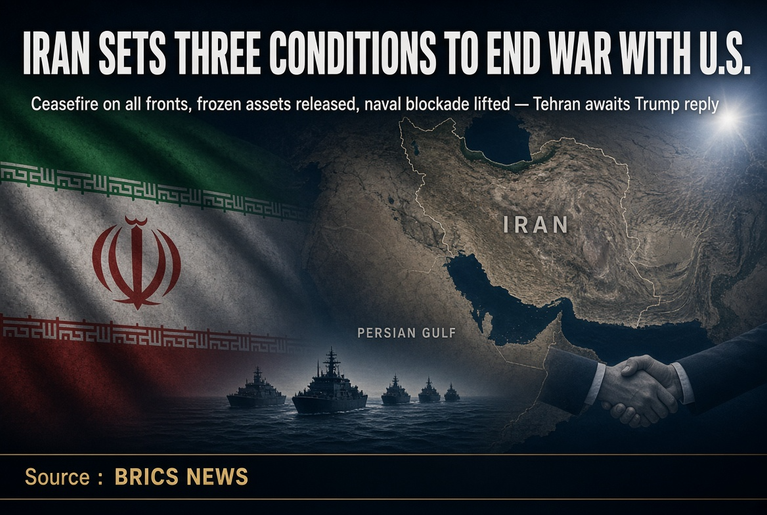
The announcement comes after months of disruption in the narrow waterway between Iran and Oman, which normally carries about one-fifth of the world’s oil. Iran laid mines in and around the traffic lanes after U.S. and Israeli strikes began in February. The strait was later partly reopened under a June memorandum of understanding, then disrupted again as fighting resumed.
U.S. officials first claimed in late August that mines in international waters had been removed or destroyed. Cooper previously described a months-long effort involving Navy divers, SEALs, and air power to clear the long-standing Traffic Separation Scheme that commercial ships use to pass through the strait. President Donald Trump has repeatedly described the waterway as open and under U.S. control.
The U.S. account is not uncontested. Tehran maintains that the strait remains under Iranian control. Ship-tracking firm Kpler also reported that traffic dropped to just three vessels on Wednesday, well below a recent 10-day average of about 17, showing that day-to-day flows remain uneven even as Washington points to a two-week rebound. Some maritime security advisers have previously said they were more confident about clearance near the Omani side than across the entire waterway.
Cooper said U.S. forces continue to work with Gulf Cooperation Council partners, insurers, and shipping companies to expand traffic. He also said Iran has exported “zero barrels” under a U.S. naval blockade, while American forces have been turning back ships attempting to reach Iranian ports. CENTCOM said it is also working with regional partners on air defenses and a new coalition attack-drone unit to keep surrounding waters open.
The practical test will be whether insurers and tanker operators treat the lanes as reliably safe. Hormuz remains the hinge of Gulf energy exports. If traffic holds, the U.S. claim would mark a significant shift after seven months of war-related disruption. If ships keep hugging safer coastal routes or sitting at anchor, the announcement will look more like a military milestone than a return to normal commerce.
About The Author