When heavy rain hits the Klang Valley, the immediate conversation usually revolves around gridlocked traffic, damaged vehicles, and flooded roads. However, beneath the visible disruption lies a far more insidious threat to public health that stays long after the floodwaters recede. Flash floods dismantle basic sanitation infrastructure. When drainage systems overflow, raw sewage mixes with floodwaters, sweeping bacteria, viruses, and parasites directly into residential areas, kitchens, and local food stalls. For low-income urban communities living in highly dense, flood-prone neighbourhoods, this environmental crisis quickly transforms into a health emergency.
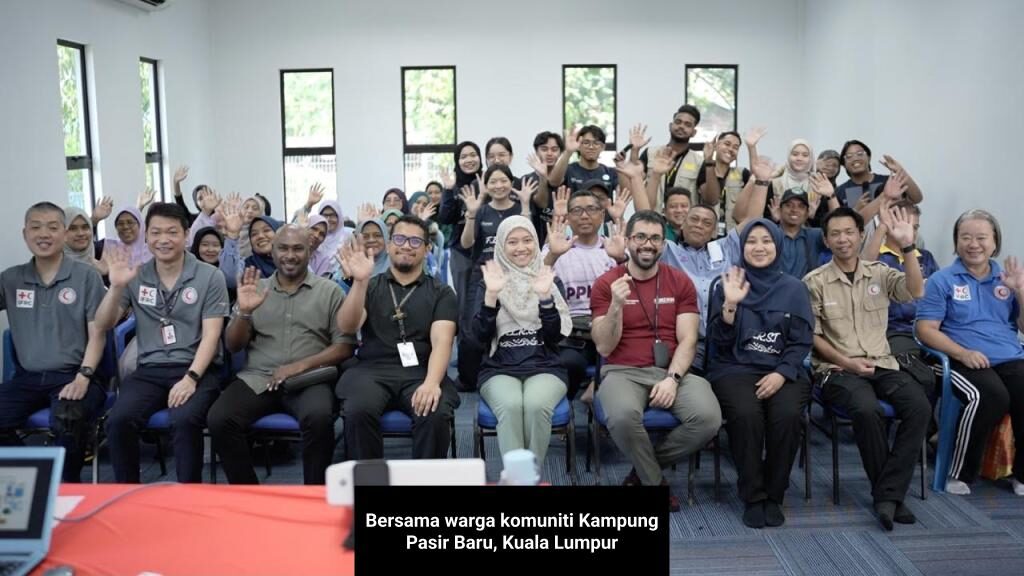
To confront this invisible danger, a strategic alliance of scientists from Universiti Malaya and the Institute for Medical Research, Selangor and Wilayah Persekutuan Kuala Lumpur States Health Department, Kuala Lumpur City Hall, Shah Alam City Council, Malaysian Red Crescent, and Universiti Malaya Biomedical Sciences Student Society came together to carry out the FIRST Programme (Flood-resilient Initiative for Risk Reduction and Safety: Transfer of Knowledge). Supported by a research grant (Poverty Research Lab UAC 3.0) from Ungku Aziz Centre for Development Studies, Universiti Malaya, this community-centered intervention aims to build immediate, grassroots health resilience against waterborne and foodborne diseases.
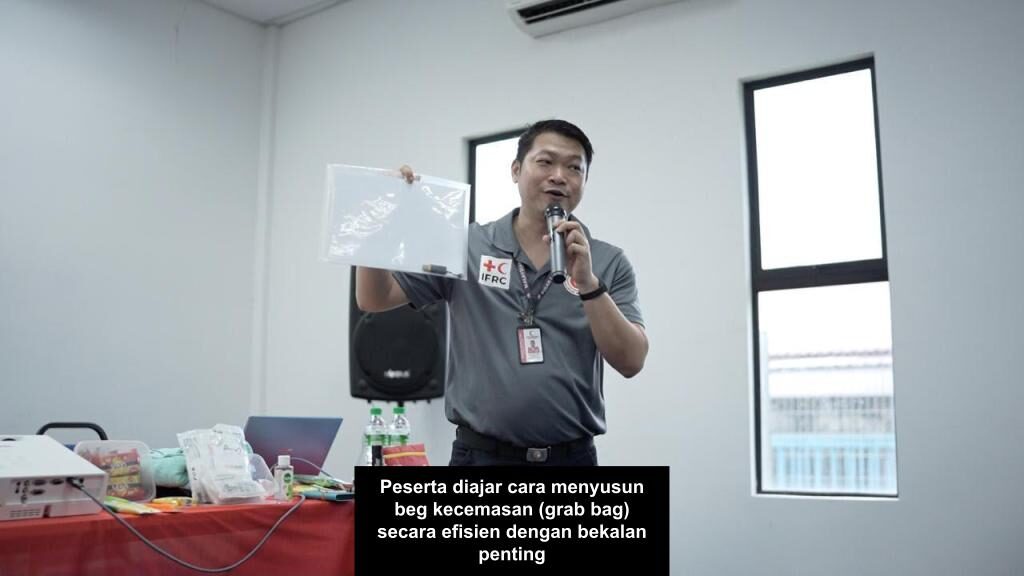
Medical data has long established a direct link between extreme weather events and spikes in infectious diseases. When floodwaters contaminate local water supplies and food storage, the incidence of bacterial infections, including cholera, typhoid, leptospirosis (rat urine fever), and severe diarrheal diseases, surges dramatically. Low-income urban communities are often disproportionately vulnerable to these health risks. Structural challenges, such as aging plumbing infrastructure and limited space for safe food storage, make keeping a household completely sterile during a flash flood an uphill battle. The FIRST Programme was designed precisely to bridge this gap. The project translates complex medical and scientific knowledge into practical, low-cost, and easily implementable daily skills. From teaching families how to identify early signs of food and water contamination to running hands-on water purification demonstrations and preparing emergency grab bags, the initiative provides families with immediate tools to protect themselves from illness.
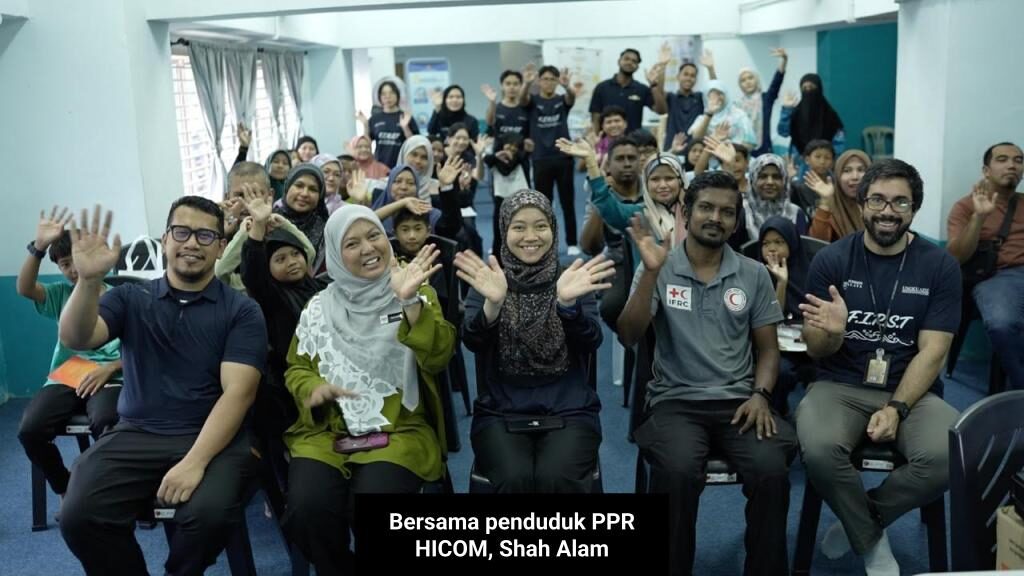
The heart of the FIRST programme lies within two distinct and highly resilient urban neighbourhoods in the Klang Valley: Kampung Pasir Baru in Kuala Lumpur and PPR HICOM in Shah Alam. While Kampung Pasir Baru represents a mixture of traditional-urban village layout vulnerable to immediate river overflows and ground runoff, PPR HICOM highlights the unique challenges faced by residents in high-density public housing, where flash floods can rapidly compromise ground-floor drainage and shared sanitation infrastructure. Despite their different structural environments, both communities share the same reality of being on the frontlines of seasonal flash floods.
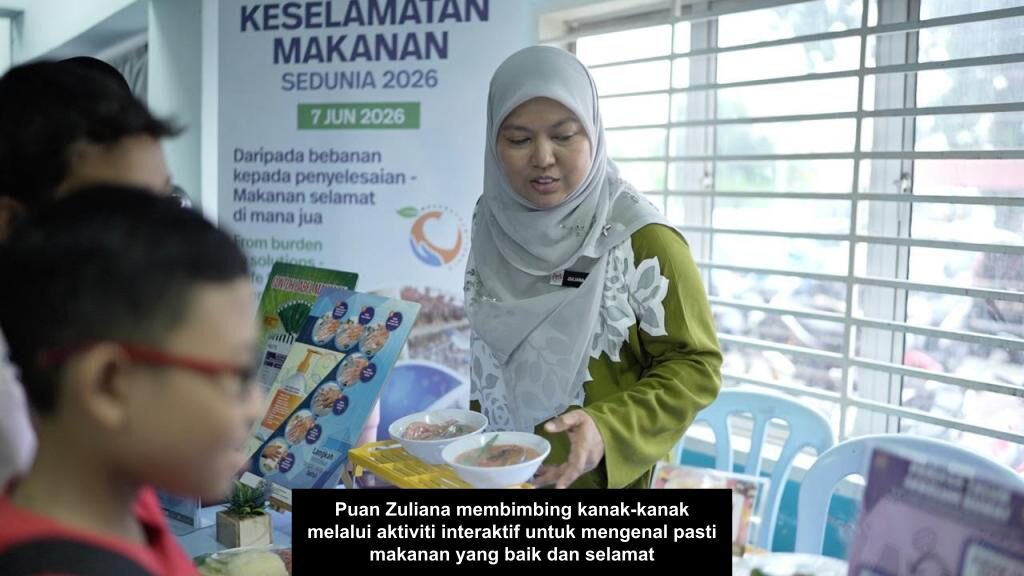
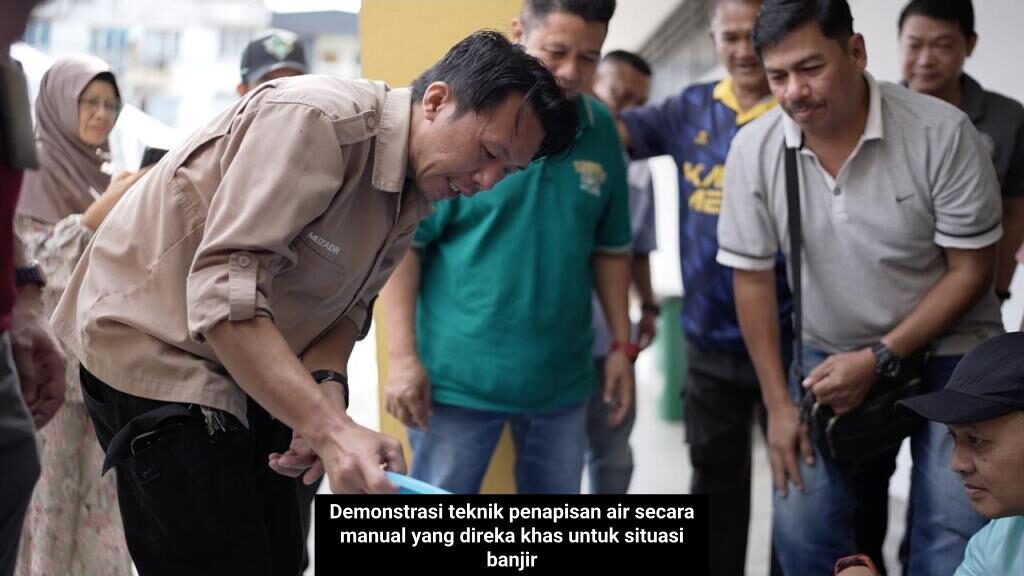
One of the most inspiring highlights of the program was witnessing the beautiful synergy between generations as they took active charge of their community’s health. The older generation showed remarkable dedication and deep involvement during the hands-on water-filtration demonstration led by the W.A.S.H unit of the Malaysian Red Crescent, closely examining the process and combining their decades of household wisdom with the team’s technical guidance. Meanwhile, the venue was filled with vibrant, joyful energy as the young and enthusiastic children cheerfully dove into the interactive activities hosted by the Food Safety and Quality Division of the State Health Department. With wide eyes and eager smiles, the kids showed immense interest in learning how to identify safe, good food versus rotten, unsafe food, successfully turning a critical survival skill into a lively, memorable lesson that ensures the neighbourhood’s health is protected for generations to come.
What sets the FIRST Programme apart from traditional health campaigns is its philosophical approach to the community. In the past, research interventions treated low-income neighbourhoods merely as passive subjects to be studied and corrected. FIRST flips this dynamic on its head by operating under a fundamental truth: the residents are the ultimate experts of their own environment. Families who navigate flash floods multiple times a year possess deep, invaluable lived experience. They know exactly how the water flows down their streets, where the vulnerabilities in their homes lie, and what barriers prevent them from accessing clean resources. The findings will be used to advocate for better urban and rural flood preparedness and more equitable municipal flood-response policies nationwide.
“By treating residents as active collaborators, we aren’t just giving them a checklist of rules; we are honoring their resilience and working together to find solutions that fit their actual daily lives,” notes Dr. Rafidah binti Lani, the principal investigator and FIRST programme leader. The FIRST programme officially wrapped up its series of community health and flood preparedness workshops on June 21, 2026.
About The Author