For many government project contractors, the real problem isn’t a lack of work, but waiting to be paid for work already completed.
KUALA LUMPUR, 19 Oct 2026 – For Syamer Zolkiflee, Managing Director of Mosaz Works Sdn Bhd, a Shah Alam-based highway facilities and maintenance company, the biggest challenge isn’t finding projects. It’s waiting to get paid.
His company, which employs around 80 workers, handles maintenance works for the SUKE, DASH and SILK highways for Prolintas. Invoice payments can take three to six months. During that time, the company’s cash reserves could only cover one or two projects at a time. Salaries were sometimes paid late, supplies had to be taken on credit, and the company lacked the confidence to bid for other agencies’ tenders.
Things changed after the company joined Selangor Advance. Cash now arrives within 48 hours of an invoice being issued.
“We used to have two big problems: maintaining our performance and our cash flow reserves. Now we only have one, which is keeping our performance strong,” said Syamer.
The results are clear. The company has since been entrusted with two more highway contracts, no longer faces worker shortages, has almost zero penalties, and maintains a performance rating of around 90% every month. It also received a Contractor Award (Anugerah Kontraktor) from the Malaysian Highway Authority (LLM), following a nomination by Prolintas.
Syamer’s story is not the only one. His experience shows how waiting for payment can strain a company’s cash flow, even after the work is done and the invoice issued. Since its introduction during the COVID-19 pandemic, Selangor Advance has helped nearly 1,500 companies with cumulative financing of more than RM2 billion.
This cash flow gap is common among government project contractors. Work is completed and invoices are submitted, but payment can take months. Selangor Advance closes that gap by channelling cash earlier, so contractors can focus on the work on the ground.
The programme is driven by an existing RM200 million revolving fund. Repaid funds are channelled back to other companies, allowing the same fund to benefit more contractors over time. The Shariah-compliant financing is based on contractors’ existing contracts or invoices, and Selangor Advance is powered by CapBay.
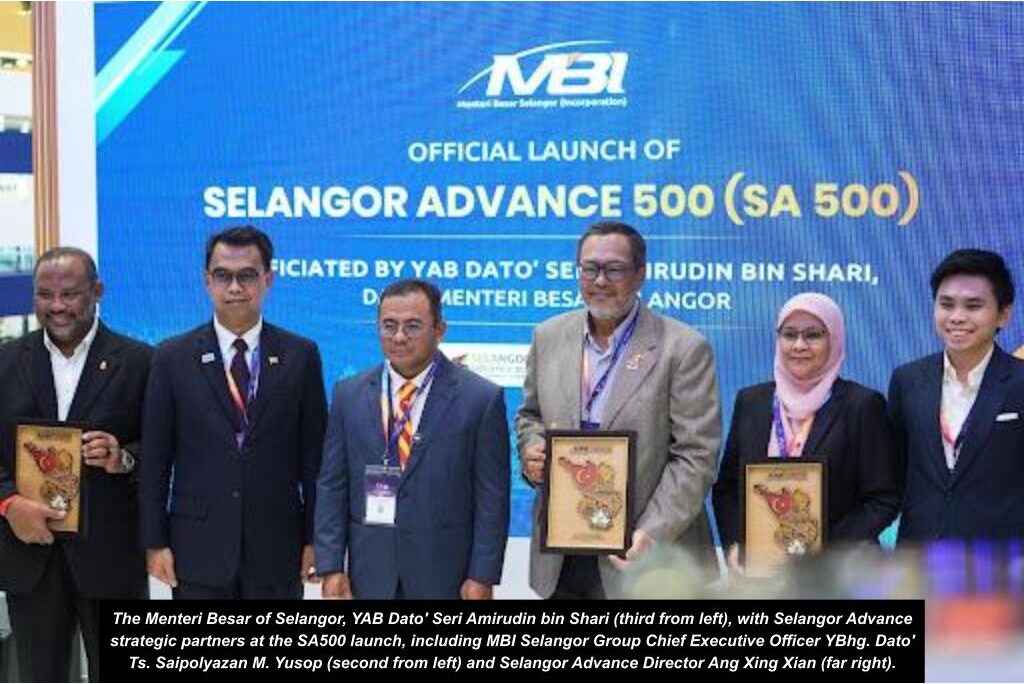
Stories like Syamer’s are why this form of support is now being expanded. This week, the Menteri Besar of Selangor, YAB Dato’ Seri Amirudin bin Shari, launched SA500, a new phase of Selangor Advance that aims to reach around 500 more contractors and suppliers in the state project supply chain, including those working with the State Government, District and Land Offices, Local Authorities, State Statutory Bodies and State Government subsidiaries.
When more contractors have stable cash flow, more state projects are likely to be completed on time, a benefit ultimately felt by the public who use those facilities and infrastructure.
“For most contractors, the problem isn’t a lack of work, but waiting to get paid while operating costs keep running. Stories like Syamer’s show what can happen when cash arrives earlier: projects continue, workers get paid and new opportunities can be seized. Now, through SA500, we want to make sure more Selangor contractors enjoy the same benefits, and applications can be made at any time,” said Ang Xing Xian, Director of Selangor Advance.
Syamer’s advice to other contractors is simple. “Get to know the programme early. Stop relying on private funders who charge extremely high interest. Work with legitimate financiers and build a good credit record. It will open an easier path to more tenders and projects.”
Syamer’s experience shows that earlier access to cash can make the difference between a company that merely survives and one that grows, even when the actual payment from agencies for completed work still takes time.
About The Author