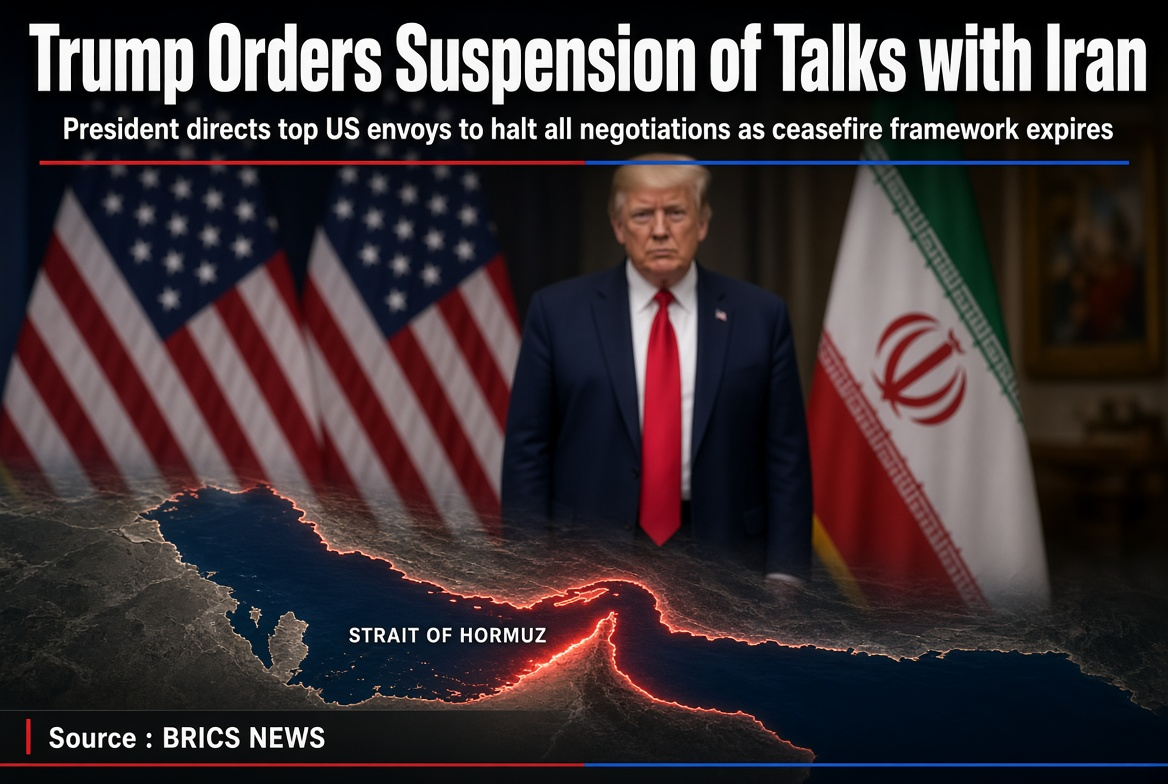
WASHINGTON D.C August 18, 2026 — President Donald Trump has directed top U.S. envoys to suspend all talks and conversations with Iran, marking a sharp shift in strategy amid a stalled effort to end the six-month conflict between the United States, Israel, and Iran.
In a Truth Social post on Tuesday, Trump stated: “There are no talks or conversations going on, or scheduled, with the Islamic Republic of Iran. The Naval Blockade remains in full force and effect. The Hormuz Strait is open and operating. All water mines have been removed or detonated.”
U.S. officials confirmed that Trump instructed his negotiating team — which includes Vice President JD Vance and special envoys Jared Kushner and Steve Witkoff — to halt engagement with Tehran. The move came one day after a June interim memorandum of understanding, which had established a temporary ceasefire and a 60-day framework for negotiations, formally expired.
The decision follows mixed signals from the administration. On Monday, Kushner had described ongoing discussions with various parts of the Iranian government as “probably more robust than it’s maybe ever been” and “very positive and active.” Trump’s announcement effectively ends that outreach for the foreseeable future.
A senior U.S. official said the president is frustrated with Iran’s refusal to accept the terms he considers necessary and now prefers to let the naval blockade of Iranian ports apply pressure. “He wants the blockade to play out and thinks they can inflict a lot of pain on Iranians and get them to capitulate,” the official said.
Iran has rejected the U.S. characterization of the situation. Iranian officials maintain that the Strait of Hormuz remains restricted until Washington lifts its blockade, ends oil sanctions, releases frozen assets, and ceases military operations. Top Iranian negotiator Mohammad Baqer Qalibaf reiterated that Tehran will not reopen the waterway until those conditions are met.
The conflict, which began with joint U.S.-Israeli military action against Iran on February 28, 2026, has centered heavily on control of the Strait of Hormuz, a critical chokepoint for global oil and liquefied natural gas shipments. Shipping traffic has been disrupted by mines, strikes, and the U.S. blockade.
Trump’s latest move signals a preference for economic and military pressure over immediate diplomacy as the administration seeks a more favorable long-term agreement on Iran’s nuclear program, regional security, and sanctions relief.
About The Author