WASHINGTON D.C July 6, 2026 – U.S. President Donald Trump on Thursday signed a proclamation imposing a 15% tariff on imported polysilicon derivatives and establishing minimum import prices for the material and related products, citing national security concerns over heavy reliance on foreign suppliers, particularly China.
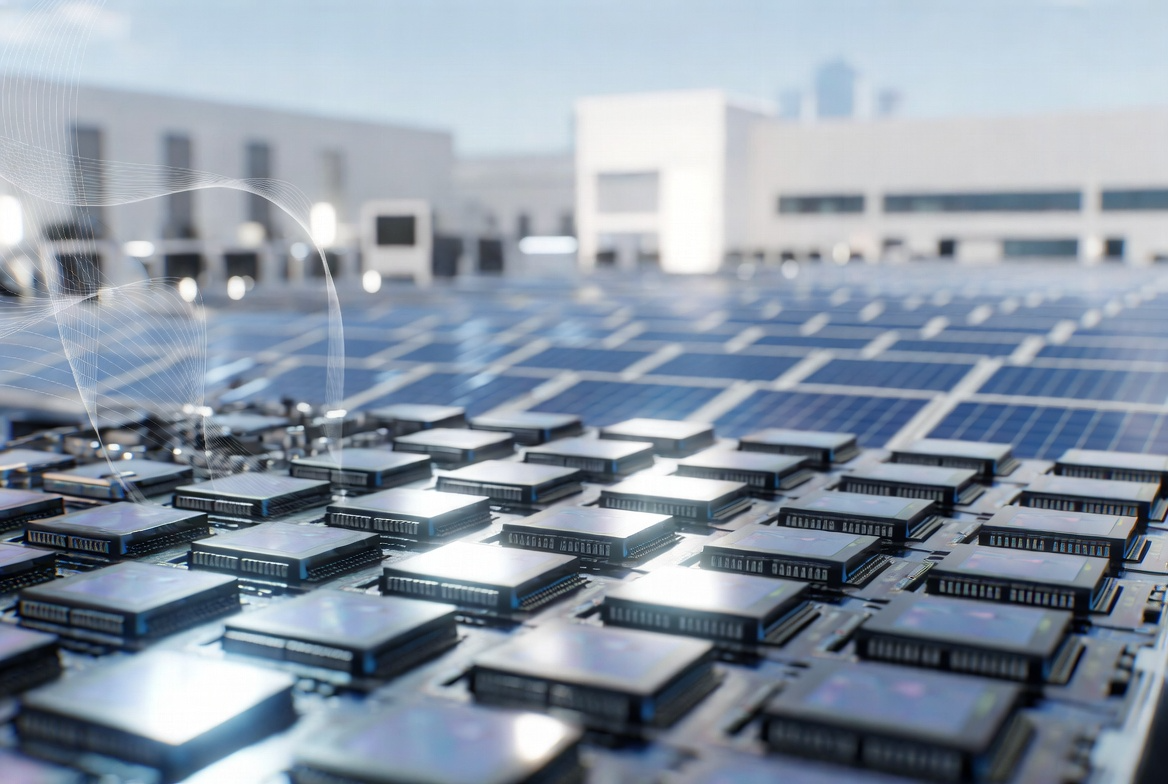
The measures, issued under Section 232 of the Trade Expansion Act, target polysilicon—a highly purified form of silicon essential for manufacturing semiconductors used in electronics, artificial intelligence systems, military equipment, and solar panels.
According to the White House, the proclamation sets the following minimum import prices:
- $21 per kilogram for polysilicon
- $100 per kilogram for polysilicon ingots and wafers
- $0.22 per watt for solar cells
- $0.38 per watt for solar modules
In addition, a 15% ad valorem tariff will apply to downstream polysilicon derivatives. These remedies take effect on December 4, 2026.
Trump stated that foreign dumping has severely weakened the U.S. industry, with America’s share of global polysilicon production plunging from about 50% in 2005 to less than 2% by 2024. China now dominates the market with a near-monopoly, producing roughly 90% or more of the world’s supply.
The order follows a Commerce Department national security investigation and accepts recommendations from Commerce Secretary Howard Lutnick. It also authorizes an incentive program to encourage companies to build, expand, or refurbish U.S. facilities for polysilicon and its derivatives, aiming to create a commercially viable domestic market and protect jobs.
U.S. producers such as Hemlock Semiconductor and Wacker Chemie are expected to benefit. The administration argues the steps will reduce vulnerabilities in critical supply chains for defense systems, everyday electronics, and the growing solar energy sector.
The move forms part of broader efforts to reshore manufacturing and counter Chinese influence in strategic technologies amid ongoing U.S.-China trade and technology competition.
About The Author