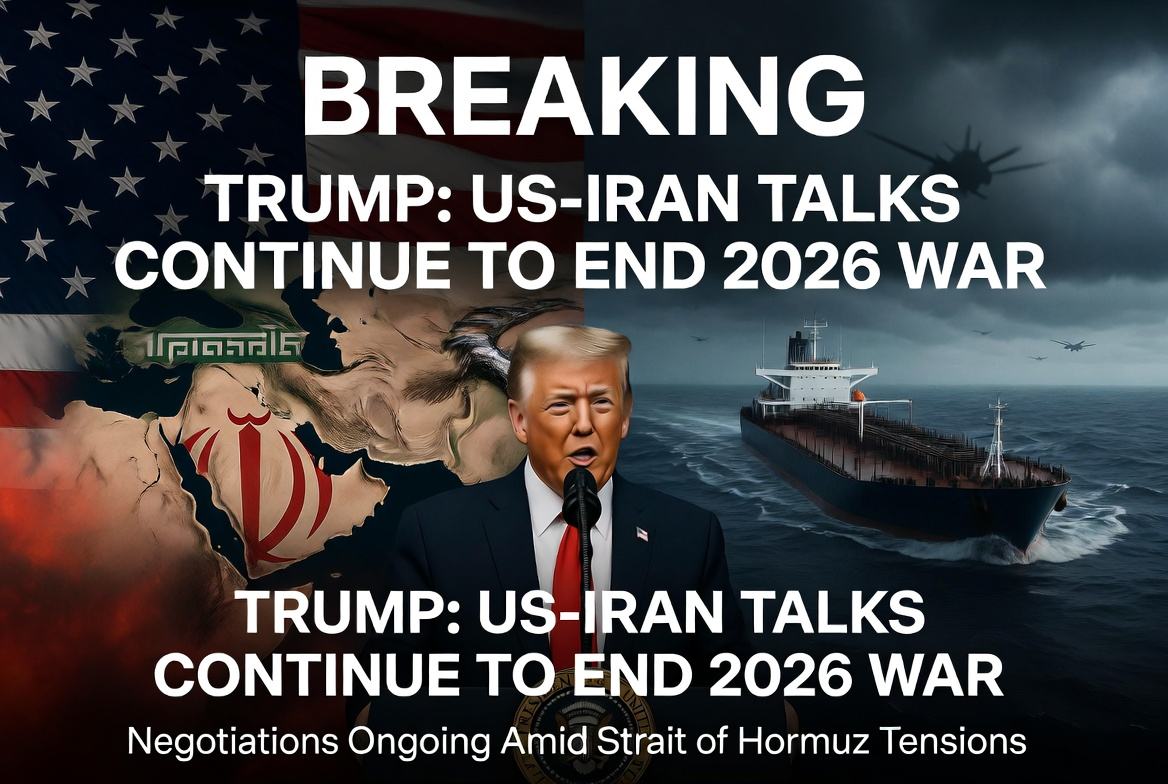
WASHINGTON D.C June 8 2026 — President Donald Trump stated that the United States and Iran continue to negotiate terms aimed at ending the ongoing war, which erupted in late February 2026 following failed nuclear talks and subsequent US-Israeli military strikes on Iranian targets.
In a recent update, Trump reiterated that discussions remain active, with both sides reportedly seeking an immediate ceasefire and a broader peace framework. He emphasized that final negotiations on “peace” are proceeding, though he cautioned they could be derailed by “ignorance or stupidity.” The comments come as the conflict enters its fourth month, marked by intermittent ceasefires, renewed strikes, and disruptions to critical energy shipping routes.
The war began on February 28, 2026, with US and Israeli strikes on Iran amid stalled nuclear negotiations. Iran responded with missile and drone attacks on regional targets, including US bases and Israeli sites, while effectively disrupting traffic through the Strait of Hormuz — a vital chokepoint carrying about 20% of global oil shipments. This led to a naval blockade, higher oil prices, and global economic ripple effects.
A fragile ceasefire was agreed in early April 2026, but it has been strained by ongoing disputes over Iran’s nuclear program, enriched uranium, ballistic missiles, and regional proxies. Multiple rounds of indirect talks, often mediated by Oman or Pakistan, have produced draft frameworks and memorandums of understanding, yet no comprehensive deal has been finalized. Trump has at times described progress as “constructive” or “very close,” only for setbacks — including fresh exchanges of fire — to follow.
Trump has toughened some US proposals in recent weeks while insisting talks continue “continuously.” Iranian officials have shown openness to dialogue but have rejected certain claims of imminent agreements, emphasizing their own conditions. Issues like reopening the Strait of Hormuz fully, lifting blockades, and verifiable limits on Iran’s nuclear activities remain core sticking points.
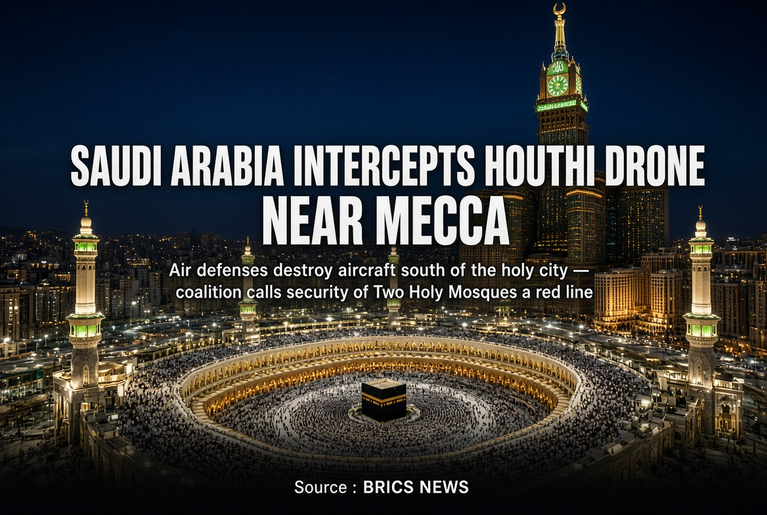
Markets have grown accustomed to the cycle of optimism and stalemate, with oil prices (Brent crude) holding above $90 per barrel amid uncertainty. Recent incidents, including drone interceptions and limited strikes involving Israel and Iranian-backed groups like the Houthis, continue in the background.
Public and analyst reactions to Trump’s latest comments mirror fatigue seen in prior updates. Social media responses range from skepticism (“they said this yesterday… and they’ll keep saying it”) to cautious hope that sustained talks could prevent further escalation. Critics point to repeated unfulfilled predictions of breakthroughs, while supporters argue Trump’s pressure tactics are forcing Iran toward concessions.
No immediate breakthrough has been announced, and both sides appear to be balancing military posturing with diplomatic efforts. The coming days may prove decisive as mediators push for de-escalation amid risks to global energy security and regional stability.
This story is developing.
About The Author