By Dr. Youcef Bensala
As Muslims around the world prepare to celebrate Eid al-Adha, it may be worth asking a difficult but necessary question: are we still performing the sacrifice in the spirit Islam intended it to be performed?
Every year, social media becomes filled with distressing scenes during the Eid period. Animals are dragged harshly through crowded streets, slaughter is carried out without sufficient preparation or skill, carcasses are left exposed in unsanitary surroundings, and frightened livestock occasionally escape into public roads and traffic. In some countries, hospitals report a sharp rise in injuries linked to untrained individuals attempting to carry out the sacrifice themselves.
These incidents are not reflections of Islam itself, nor should they be treated as representative of the religion’s teachings. Yet their repeated occurrence does invite a deeper reflection on whether the ethical dimension of this important act of worship is sometimes being overshadowed by haste, habit, or misplaced priorities.
This is important because Eid al-Adha was never intended to be merely a ritual of slaughter. At its core, it is an act of devotion rooted in obedience, humility, gratitude, and compassion. The Qur’an makes this principle clear in Surah al-Hajj when it reminds believers that neither the meat nor the blood of the sacrificed animal reaches Allah, but rather the piety and consciousness behind the act itself.
In other words, the value of the sacrifice does not lie simply in completing the ritual. It lies in the spirit in which it is carried out, and in the ethical conduct that surrounds it from beginning to end.
This ethical dimension is closely connected to the Islamic concept of Ihsan, a term often translated as excellence, moral beauty, or doing something in the best possible manner. Although commonly associated with spirituality and worship, Ihsan also shapes how Muslims are expected to carry themselves in everyday responsibilities, including their treatment of animals.
The Prophet Muhammad emphasised this clearly in a well-known hadith in which he said: “Indeed, Allah has prescribed excellence in everything. So when you slaughter, slaughter well. Let one of you sharpen his blade and spare the animal from suffering.”
What is striking about this teaching is that the Prophet did not separate religious observance from compassion. Even in an act that necessarily involves taking the life of an animal for lawful purposes, Muslims are still reminded to act with gentleness, competence, and restraint. Worship in Islam is not detached from ethics. Rather, ethics are part of the worship itself.
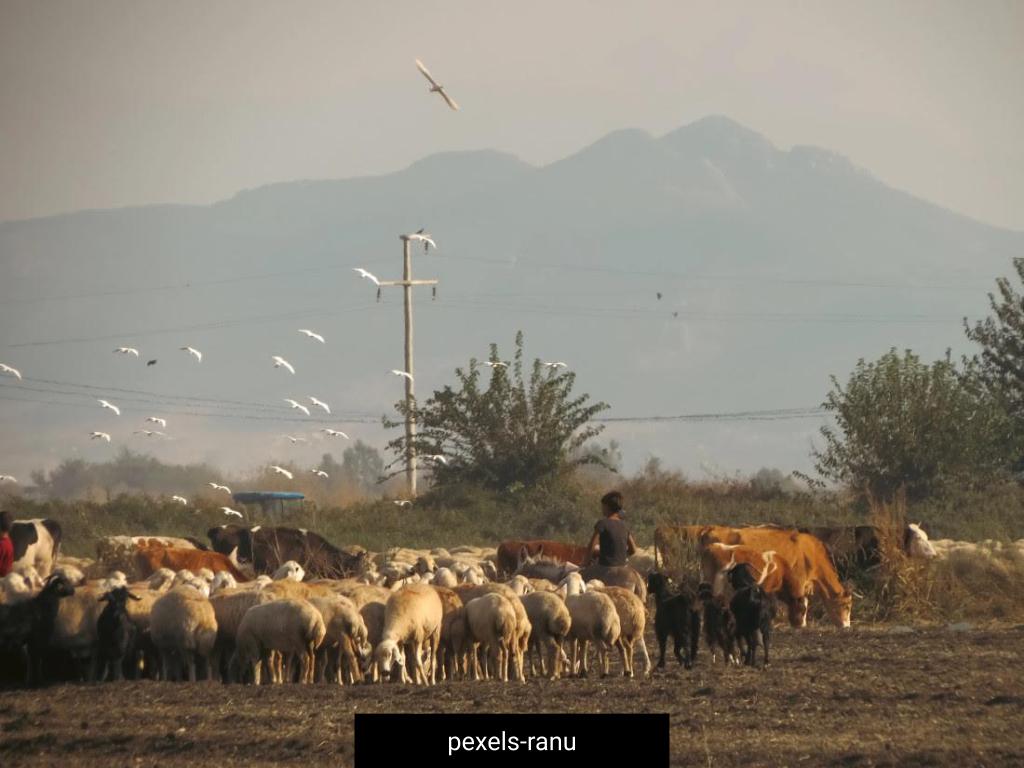
For this reason, Islamic teachings place considerable emphasis on the welfare of the animal before the sacrifice even takes place. The animal should be healthy and free from obvious defects or illness. It should be handled calmly and led gently, not dragged violently or subjected to unnecessary fear and distress. Classical Islamic narrations describe companions of the Prophet reprimanding individuals who treated animals harshly, reminding them that mercy and dignity should remain present even in moments of slaughter.
The Prophet also discouraged practices that would intensify fear in the animal. In one narration, he rebuked a man who was sharpening his knife in front of the animal about to be slaughtered, asking whether he intended to “kill it twice.” The message behind this narration is profound in its simplicity. The animal’s suffering should never be treated casually, and efficiency alone does not fulfil the ethical demands of the ritual.
Beyond the treatment of animals themselves, the concept of Ihsan also extends to questions of hygiene, public safety, and communal responsibility. The area where slaughter is conducted should be properly managed and cleaned before, during, and after the ritual. Blood, waste, and remains left unattended are not merely unpleasant sights. In crowded urban settings, they can create genuine public health concerns and contribute to negative perceptions of a religious practice that is fundamentally rooted in discipline and compassion.
This is especially relevant today, as many Muslims now live in densely populated cities where acts of worship inevitably intersect with public spaces and shared environments. In such contexts, professionalism and proper organisation are not secondary matters. They are part of preserving the dignity of the ritual itself.
The same principle applies to the distribution of meat after the sacrifice. Islamic tradition consistently emphasises generosity and social responsibility during Eid al-Adha. Muslims are encouraged not only to consume from the sacrifice themselves, but also to share it with relatives, neighbours, and especially those in need. Many classical scholars and companions of the Prophet recommended dividing the meat in a balanced manner that reflects both personal gratitude and communal solidarity.
Seen in this light, Eid al-Adha is not centred on the act of slaughter alone. It is equally about strengthening empathy, reducing hardship, and remembering that acts of worship should bring benefit beyond oneself.
Unfortunately, some of these deeper meanings can become overshadowed when the ritual is approached primarily as a logistical task or public display. The conversation sometimes becomes dominated by questions of quantity, speed, or spectacle, while the ethical and spiritual dimensions receive far less attention.
Yet the enduring strength of Islamic rituals has never rested solely on outward performance. Their purpose has always been to cultivate inner discipline and moral character that eventually shape society itself. Eid al-Adha, when understood properly, reminds Muslims that devotion to God cannot be separated from mercy towards His creation.
As another Eid al-Adha approaches, many Muslims will prepare for the occasion with sincere intentions and genuine gratitude. That sincerity should be accompanied by reflection on how the ritual is carried out, how animals are treated, how public spaces are respected, and how the benefits of the sacrifice are shared with others.
The true meaning of sacrifice, after all, is not measured by how many animals are slaughtered or how visibly the ritual is performed. It is measured by whether the act brings a person closer to the values that the ritual itself was meant to nurture: humility, compassion, responsibility, and excellence in conduct.
These are the ethics that should accompany every sacrifice. And perhaps these are also the ethics that deserve to be remembered again.
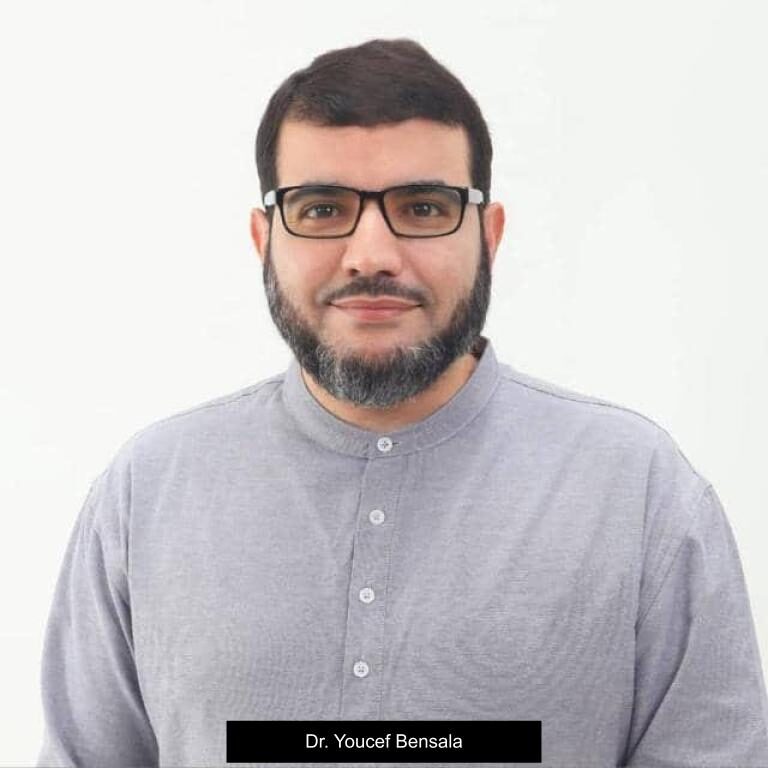
Dr. Youcef Bensala is a Senior Lecturer at the Department of Fiqh-Usul & Applied Sciences, Academy of Islamic Studies, Universiti Malaya
About The Author