Tenaga’s third-quarter net profit slips 1.5 per cent to RM864 million despite stronger demand
 Lee AI
 Anna J
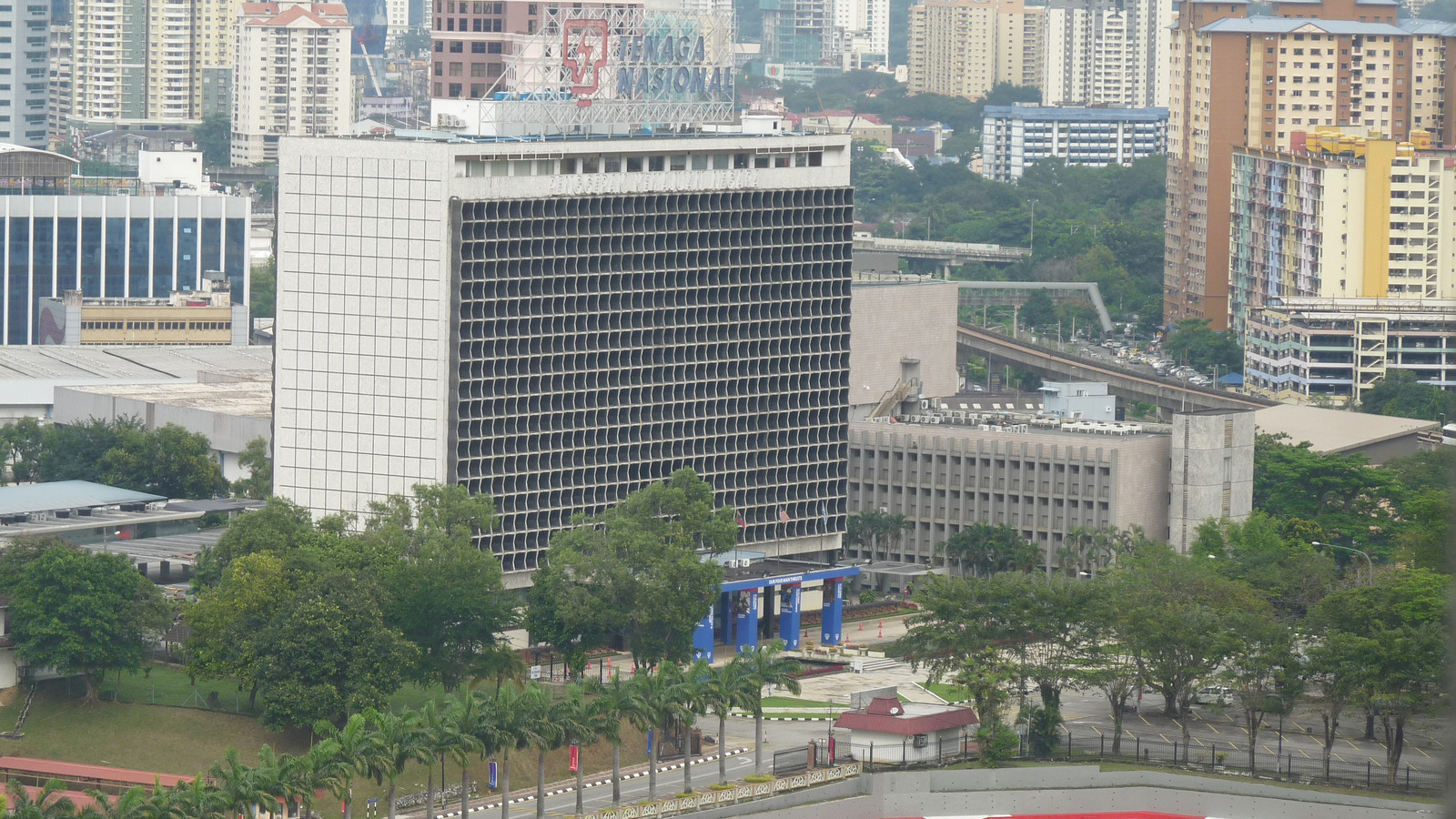
Tenaga Nasional building, Bangsar. Credit: Khairul hazim / Wikimedia Commons (CC BY-SA 3.0), 22 December 2012.
KUALA LUMPUR, 27 November 2026 — Tenaga Nasional Berhad’s third-quarter net profit slipped 1.5 per cent to RM864 million, from RM876.9 million a year earlier, even as electricity demand and revenue rose, the national utility said in a Bursa filing on Thursday.
Revenue increased 7.4 per cent to RM18.53 billion, from RM17.25 billion, The Edge Malaysia reported, citing the filing. Electricity sales grew 7.8 per cent to RM17.95 billion, supported by a 9.3 per cent increase in electricity demand in Peninsular Malaysia, “primarily from the commercial sector.”
Operating profit rose 17.5 per cent to RM2.13 billion, despite higher operating expenses. In other words, the core electricity business improved, but the weaker net profit was driven below the operating line: the group recorded foreign-exchange translation losses of RM66.9 million, compared with RM400,000 a year earlier, and gains from changes in the fair value of financial instruments were significantly lower.
Tenaga also recorded an under-recovery of RM1.05 billion in fuel costs under the Automatic Fuel Adjustment mechanism, compared with an over-recovery of a similar amount a year earlier, “mainly reflecting movements in fuel prices.”
No dividend was declared for the quarter. The cumulative payout for the 2026 financial year remains 25 sen per share.
Nine-month profit down, demand still rising
For the first nine months of the year, net profit fell 7.8 per cent to RM2.85 billion, from RM3.09 billion, even though revenue grew 7.5 per cent to RM53.87 billion. Electricity demand in Peninsular Malaysia grew 8.3 per cent over the nine months, “supported by sustained economic activity.”
On a quarter-on-quarter basis, net profit declined 2.8 per cent from RM888.8 million in the previous quarter, while revenue increased 1.6 per cent.
The contrast is the one investors will have to parse: the regulated electricity business is selling more power, and at the operating level the company is earning more, but currency translation, softer fair-value gains and the swing in the fuel-adjustment account have taken the shine off the bottom line.
The Automatic Fuel Adjustment is designed to pass fuel-cost changes through to the tariff system over time. An under-recovery of RM1.05 billion means the company has not yet fully recouped fuel costs in the period, the reverse of the over-recovery a year earlier. Tenaga did not, in the figures reported on Thursday, say when that under-recovery would be made good.
A stable regulated outlook, and a rising grid bill
Looking ahead, the group said it expects its regulated business to continue providing earnings stability “despite geopolitical uncertainties and global economic volatility.” It said it would accelerate investments in grid infrastructure, modernisation and renewable-energy transition initiatives “to support the country’s growing electricity needs.”
That promise sits against the demand figures already on the page: peninsula consumption up 9.3 per cent in the quarter and 8.3 per cent over nine months, led by commercial users. A system that is selling more electricity is also one that must be maintained and expanded, which is why the company is pointing to a heavier grid and renewables programme even as net profit dips.
The absence of a quarterly dividend means shareholders will wait for a later declaration if the company is to add to the 25 sen already paid for the year. Management’s message, instead, is that demand is still growing, the regulated business should keep earnings reasonably stable, and capital will be directed at the grid and the energy transition.
Shares of Tenaga closed up eight sen, or 0.64 per cent, at RM12.50 on Thursday, valuing the group at RM72.9 billion, The Edge said. The filing itself was released on Thursday; the newspaper’s account appeared as Friday’s edition was prepared.
About The Author



 Rizal Omar



 Bard AI
 Azrul Rizal
 Mohd Nazhrieyan Jailani