Press Metal third-quarter net profit rises to RM855.01 million, as realised aluminium prices climb
 Lee AI
 Anna J
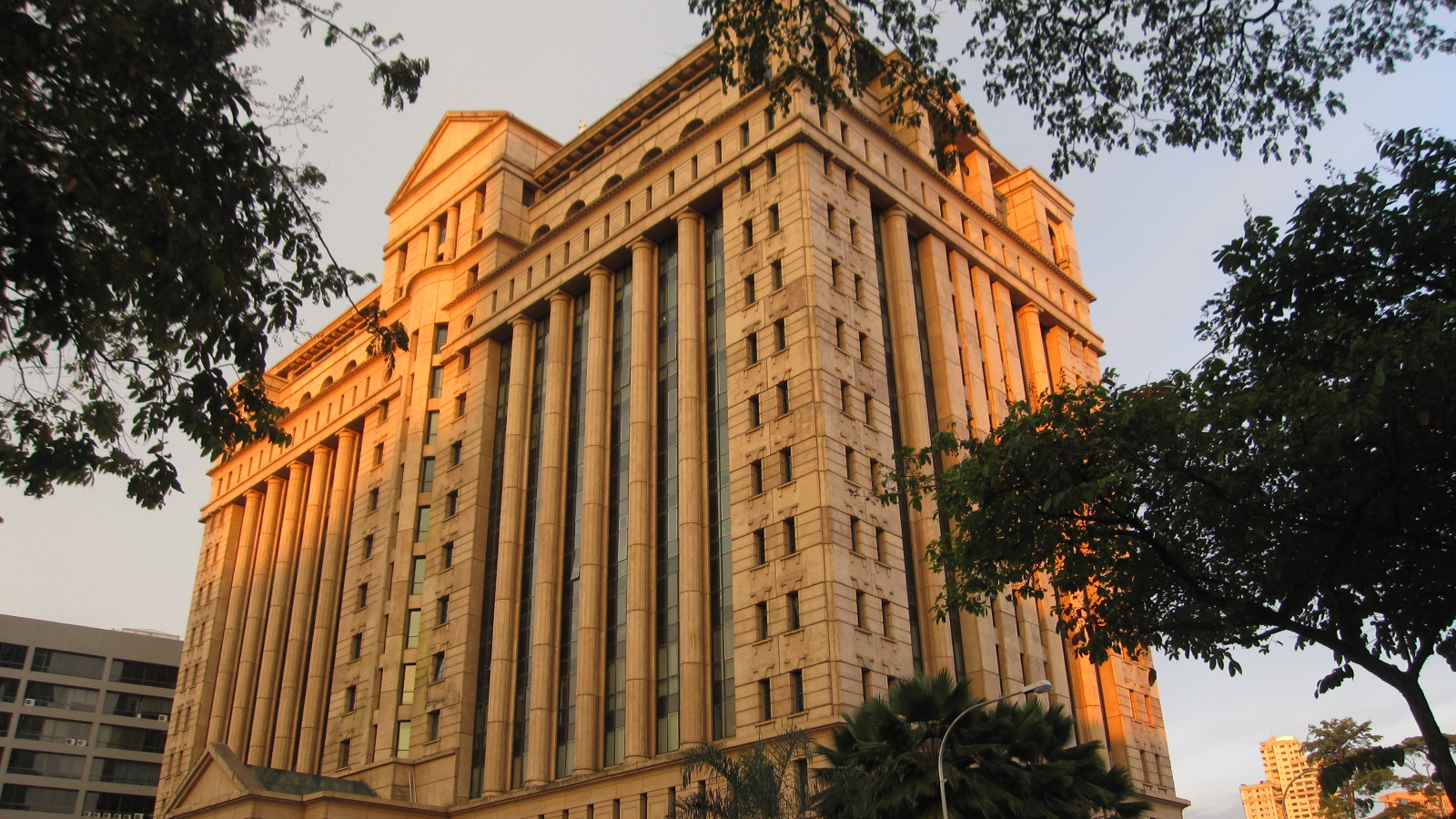
Bursa Malaysia, Kuala Lumpur. Credit: Travelpleb / Wikimedia Commons (CC0), 18 May 2012.
KUALA LUMPUR, 27 November 2026 — Press Metal Aluminium Holdings Berhad’s net profit rose to RM855.01 million in the third quarter ended 30 September, from RM563.29 million a year earlier, as higher realised metal prices and lower raw material costs lifted the integrated aluminium producer’s results, the company said in a Bursa Malaysia filing.
Revenue increased 25.7 per cent to RM5.12 billion, from RM4.07 billion in the same quarter last year, “supported mainly by higher realised metal prices during the quarter under review,” the filing said. The year-on-year rise in net profit, from RM563.29 million to RM855.01 million, amounts to just under 52 per cent.
For the first nine months of 2026, net profit jumped to RM2.28 billion from RM1.50 billion a year earlier. Nine-month revenue increased to RM13.91 billion from RM12.16 billion, “mainly due to higher realised metal prices, despite lower profit contribution from associated companies.”
The board approved a third interim single-tier dividend of 2.5 sen per ordinary share, amounting to about RM206 million, for the financial year ending 31 December 2026.
Prices up, but a cautious outlook
Group chief executive officer Tan Sri Paul Koon said supply constraints were expected to ease gradually. He also warned that geopolitical uncertainties, protectionist measures, and elevated energy and raw material costs could affect the viability of planned capacity expansions beyond 2027, “potentially constraining longer-term supply growth and contributing to market volatility.”
“Despite macroeconomic uncertainties and inflationary pressures, aluminium demand remains resilient, supported by structural growth in clean energy-related applications,” he said in a statement accompanying the results. “While prices may remain under pressure, the group remains resilient, underpinned by its disciplined hedging strategy, and integrated value chain.”
Koon said the group remained focused on strengthening its competitiveness and its position in the global aluminium industry, “supported by a healthy balance sheet and continued strategic expansion.”
The results, released on Thursday evening, underline how tightly the company’s earnings still track realised aluminium prices. A quarter in which prices were higher, and raw material costs lower, produced both a sharp rise in revenue and a still sharper rise in profit, even as contributions from associates were weaker over the nine-month period.
What the numbers imply
Press Metal is Malaysia’s leading listed aluminium group, with smelting and related operations that feed construction, packaging and, increasingly, clean-energy supply chains. The clean-energy demand Koon pointed to — in power transmission, solar and related uses — is the main structural support he offered against a more uncertain price outlook.
His caution on expansions beyond 2027 is notable because the same tight supply that has helped prices, and therefore this quarter’s profit, may not last if new capacity comes on stream, or may last longer if energy costs and trade barriers deter that capacity. The company did not, in the statement reported on Thursday, revise a formal production or capital-expenditure target.
The 2.5 sen interim dividend, costing about RM206 million, continues a regular payout alongside the stronger earnings. The filing did not, in the accounts reported by Bernama and The Star, set out a share-price reaction after the Thursday close; the results themselves were released in the evening.
The nine-month comparison is as striking as the quarterly one. Net profit of RM2.28 billion, against RM1.50 billion a year earlier, shows that the price and cost tailwinds were not confined to a single quarter, even though associates contributed less. The company did not break out, in the statement reported on Thursday, how much of the quarterly gain came from hedging as opposed to unhedged realisations.
Investors will now look through the headline profit to the hedging book, the associates’ weaker contribution, and Koon’s warning that planned expansions after 2027 could be harder to justify. For the quarter just ended, however, the story is straightforward: higher realised prices, lower raw material costs, and a net profit of RM855.01 million.
About The Author


 Rizal Omar

 Bard AI
 Azrul Rizal
 Mohd Nazhrieyan Jailani