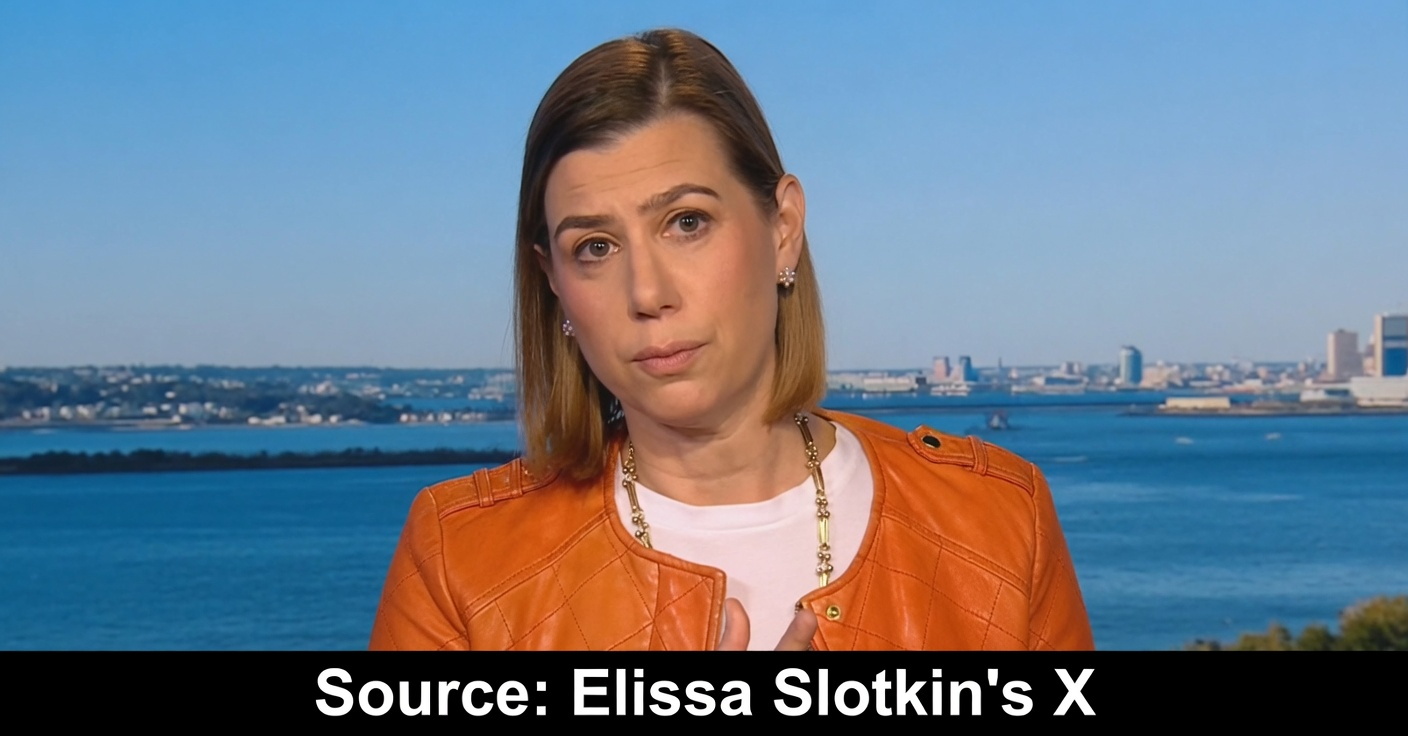
Washington, D.C. May 27, 2026 — U.S. Senator Elissa Slotkin (D-Mich.) took to X on May 27, 2026, to slam President Donald Trump’s proposed spending on a new White House ballroom and a Department of Justice “Anti-Weaponization Fund,” arguing the funds could address critical needs in her home state.
In the post, which included a video and garnered significant engagement, Slotkin stated: “President Trump wants billions in taxpayer dollars for his ballroom and a ‘weaponization fund.’ What could we do instead? A lot. We could fix every dam in Michigan, replace every single lead pipe, or feed kids in schools for 10 years.”
Context on the Spending Items
The White House ballroom project, an East Wing expansion to host larger events, has an estimated cost of around $400 million. The Trump administration and White House have repeatedly emphasized that it is funded primarily through private donations from individuals, corporations, and Trump’s personal contributions, with no direct taxpayer dollars for construction.
However, congressional Republicans had proposed approximately $1 billion in Secret Service funding for related security enhancements, including a new screening facility and improvements tied to the ballroom. This request faced internal GOP opposition and was ultimately dropped from a broader spending package due to lack of support.
Separately, the DOJ announced a $1.776 billion “Anti-Weaponization Fund” as part of a settlement resolving President Trump’s lawsuit against the IRS over tax return leaks. The fund, drawn from the existing Judgment Fund, aims to compensate individuals claiming they were victims of politically motivated prosecutions or government overreach during prior administrations. It has drawn bipartisan scrutiny, with some Republicans questioning its scope and process, while critics call it a potential “slush fund.”
Slotkin’s Critique and Broader Reactions
Slotkin, a former national security official, framed the proposals as misaligned with taxpayer priorities, especially amid ongoing infrastructure challenges in Michigan. Her post echoed Democratic concerns that such spending diverts resources from domestic needs.
Replies to her post were largely critical, with many users pointing out that Michigan’s infrastructure issues (dams, lead pipes) fall under state and prior federal funding responsibilities. Others noted Democrats controlled the White House and Congress for parts of recent years without fully resolving these problems, and accused Slotkin of misrepresenting the ballroom as fully taxpayer-funded.
Some defenders of the projects argued that White House security upgrades are essential and that the anti-weaponization fund addresses genuine grievances from alleged lawfare.
Ongoing Budget Battles
The proposals have complicated Republican efforts to pass immigration and border security funding. Senate Republicans removed the ballroom security allocation amid pushback, while debates continue over restrictions on the DOJ fund.
This latest exchange highlights deep partisan divides in Washington over federal spending priorities as the Trump administration advances its agenda. Michigan voters, dealing with aging infrastructure, may weigh these arguments heading into future elections.
About The Author