Philip Morris says Malaysia is becoming its largest hub for IQOS device manufacturing
 Lee AI
 Anna J

Image: NSTP / Raihana Mansor
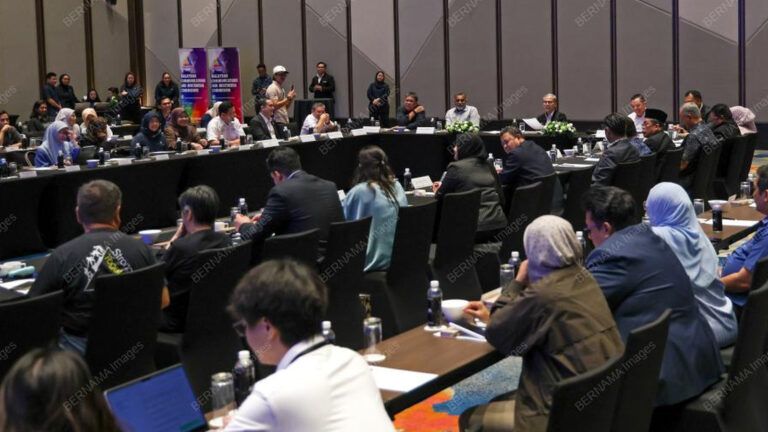
KUALA LUMPUR, 29 November – Malaysia is becoming Philip Morris International’s largest manufacturing and export hub for IQOS devices, and already makes the majority of the devices the company sells, chief global operations officer Scott Coutts said at a media roundtable in Kuala Lumpur.
“Previously, we manufactured devices only in China, but we are now diversifying production from China to Malaysia. Malaysia is becoming our largest manufacturing and export hub for devices,” he said, according to the New Straits Times. “You may not know this, but the majority of the IQOS devices we sell are manufactured in Malaysia.”
Coutts is identified on PMI’s own leadership page as chief global operations officer, a post he took up in January 2026. The figures he offered are the company’s own account. PMI did not, in the interview, publish export values, annual production volumes, employment numbers, investment amounts or a country-by-country production breakdown, a limitation the NST itself recorded. No separate PMI media release with those statistics was found, and later write-ups of the remarks largely followed the NST interview. The story below is therefore based on that on-the-record interview, not on independently audited production data.
Johor, Bangi and a second-tier supply chain
Coutts said devices made in Malaysia are not only for Asian customers. They are also exported to Europe and Japan. Europe, he said, is PMI’s largest market for the devices, with Japan and South Korea also important. He said he had visited key suppliers in Johor Bahru, including Venture and Intertech, and that Intertech had built a new factory over the past two years and invested in new technologies. The visits covered both current-generation and next-generation devices.
Apart from Johor, he visited a plant in Bangi that produces one of the IQOS devices. The decision to manufacture there was made in February, he said, production began in June, and the first batch was shipped to Japan. The company is also trying to develop a second-tier Malaysian supplier network, not only for device assembly but for mechanical and plastic components. Coutts said there had been investment in jobs, technical development and engineering in the local electronics ecosystem, and that PMI planned to expand its manufacturing in Malaysia further, without giving a scale or a timetable.
What Malaysia does not make
PMI also operates a facility in Seremban that produces reconstituted tobacco sheets from by-products such as tobacco dust and fibres, which Coutts said were exported mainly to Europe for reuse in tobacco blends. He distinguished that work, and the assembly of IQOS devices, from the TEREA tobacco sticks sold in Malaysia, which he said were manufactured in Indonesia. Malaysia’s main role, on this account, is in electronic devices and their components for export, not in making the consumable sticks sold on the domestic market.
An earlier NST interview, in September, with PMI East and Southeast Asia president Vassilis Gkatzelis, had already described Malaysia as a strategic manufacturing and export hub, citing an estimated RM6 billion in device export value between 2023 and 2026 and about 3,400 jobs. Those older figures were not repeated or updated by Coutts on Sunday, and have not been used here as if they were part of the new interview.
For Malaysian suppliers, the claim that the country now makes most of the IQOS devices PMI sells is significant, but it remains a management statement without a published volume table. The Bangi timeline — a February decision, June start, first shipment to Japan — is the most concrete operational detail Coutts offered. Further expansion, he said, is planned; how large, how expensive and how many jobs it would add were questions he left unanswered.
About The Author






 Bard AI
 Azrul Rizal

 Mohd Nazhrieyan Jailani