CIMB commits RM150 million to social-impact programmes in Malaysia by 2030
 Lee AI
 Anna J
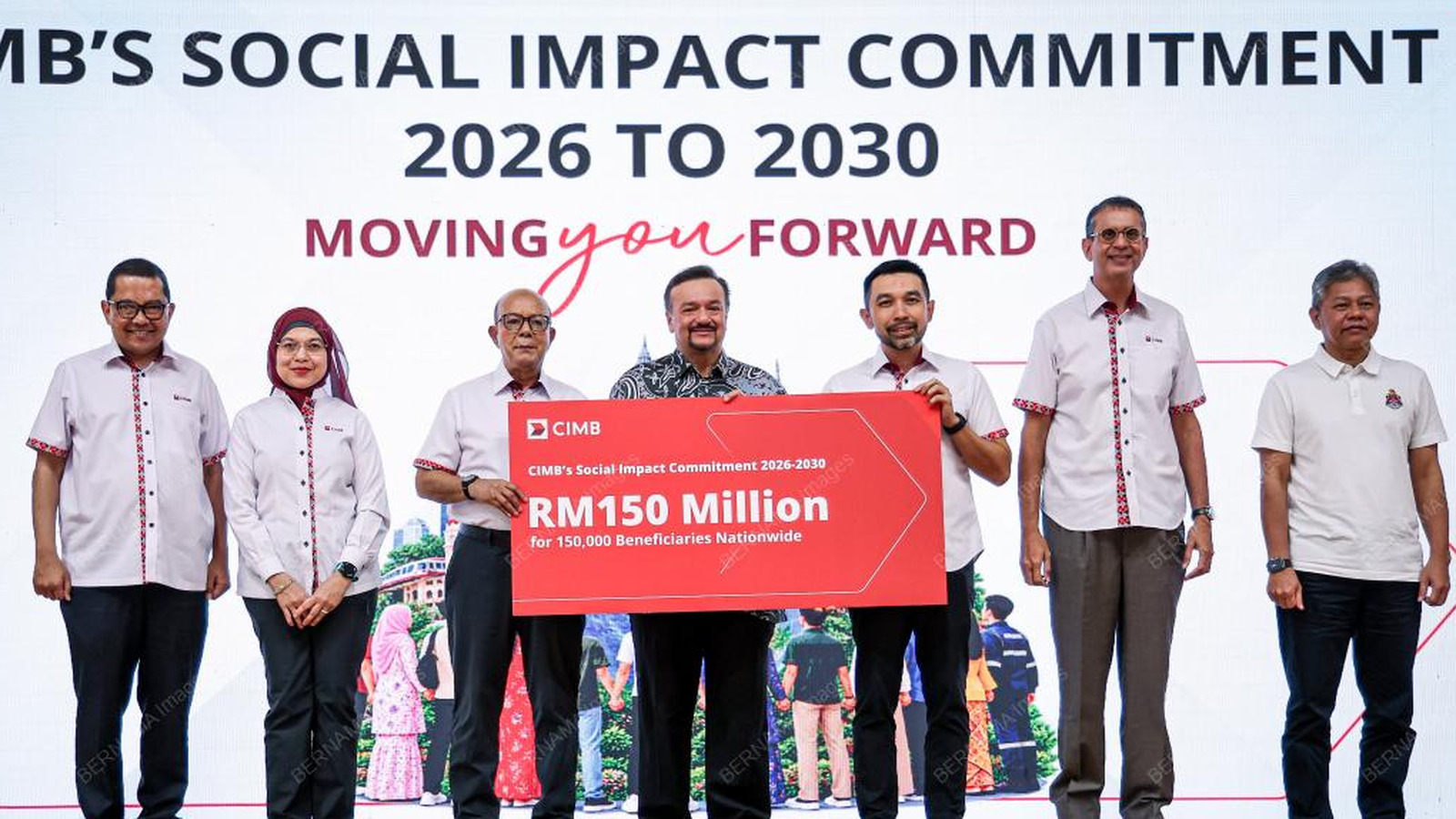
Image: Bernama
KUALA LUMPUR, 28 November – CIMB has committed RM150 million over five years to social-impact programmes in Malaysia, as part of a RM200 million regional pledge, and expects the Malaysian programmes to reach more than 150,000 people by 2030, the group said in a statement released at the launch of its 2026–2030 social-impact commitment.
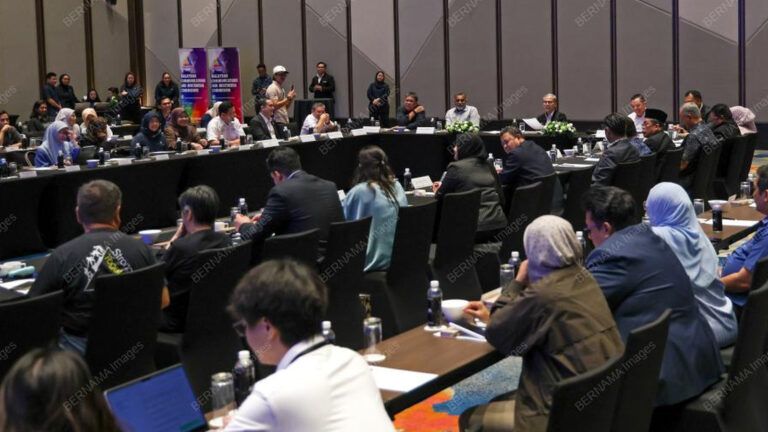
The announcement was made at PPR Pinggiran Bukit Jalil, where Finance Minister II Datuk Seri Amir Hamzah Azizan also spoke about widening social protection through government-linked companies. Bernama, Malay Mail and the New Straits Times reported the minister’s remarks; CIMB’s own figures were set out in a separate press release quoted by Bernama, and in coverage by Free Malaysia Today.
CIMB said the RM150 million covers its community programmes nationwide and includes the mobilisation of RM25 million through Zakat Wakalah. In a separate passage of the same release, the bank said it had already mobilised RM5 million through 17 programmes in four adopted people’s housing (PPR) communities between 2025 and 2026, exceeding its original commitment by 38.6 per cent. CIMB chairman Datuk Syed Zaid Albar and group chief executive Novan Amirudin attended the event.
Amir Hamzah and the GLC social net
Amir Hamzah said the government was strengthening cooperation with government-linked companies and investment companies in order to widen social protection, improve economic opportunities and raise living standards for vulnerable communities, in line with the MADANI Economy agenda.
“Community development can only be achieved when various parties join hands with the same goal. This spirit underpins cooperation between GLCs, GLICs and the government through the GLC and GLIC Demi Rakyat dan Negara (GDRN) initiative. This initiative started as an effort in the face of disasters, particularly floods, and has now evolved into a more comprehensive platform in supporting the country’s social and economic development,” he said.
Quoting the Yayasan Hasanah 2025 report, he said GDRN members had disbursed RM357.85 million for disaster relief, community welfare and education programmes that had benefited more than 1.33 million people in Peninsular Malaysia. Those figures are the minister’s citation of the Hasanah report, not a new Treasury audit published on Saturday, and they refer to Peninsular Malaysia rather than the whole country.
Building on that work, he said, the government had introduced the Government-Linked Enterprises Activation and Reform Programme (GEAR-uP), which is meant to strengthen social protection, widen access to economic opportunity and improve living standards, especially for vulnerable groups. He set out three priorities: the care economy and community welfare, including childcare, support for persons with disabilities, community health and elderly care; education, TVET, entrepreneurship and jobs; and community resilience and environmental sustainability.
What the bank has and has not specified
CIMB’s RM150 million is a multi-year commitment to 2030, not a single disbursement on Saturday. The group has not, in the reports reviewed, published a year-by-year spending schedule, a list of the new programmes to be funded, or an independent evaluation of the earlier RM5 million PPR work. The 150,000-beneficiary figure is the bank’s own target.
The event ties a large commercial bank’s community budget to a wider government effort to use GLCs in social protection. For residents of PPR communities, the practical test will be whether the new money shows up as education, skills, welfare or disaster-relief programmes on the ground, and whether the Zakat Wakalah portion is reported separately as it is spent.
Amir Hamzah did not announce a new statutory social-protection scheme on Saturday. He used the CIMB launch to restate the GDRN record and the GEAR-uP agenda. The next public documents to watch are CIMB’s breakdown of how the RM150 million will be allocated, and any government report that updates the RM357.85 million GDRN figure beyond the Hasanah 2025 report he cited.
About The Author






 Bard AI
 Azrul Rizal

 Mohd Nazhrieyan Jailani