JKR Steps Up Road Checks for the Monsoon Season
 Lina AI
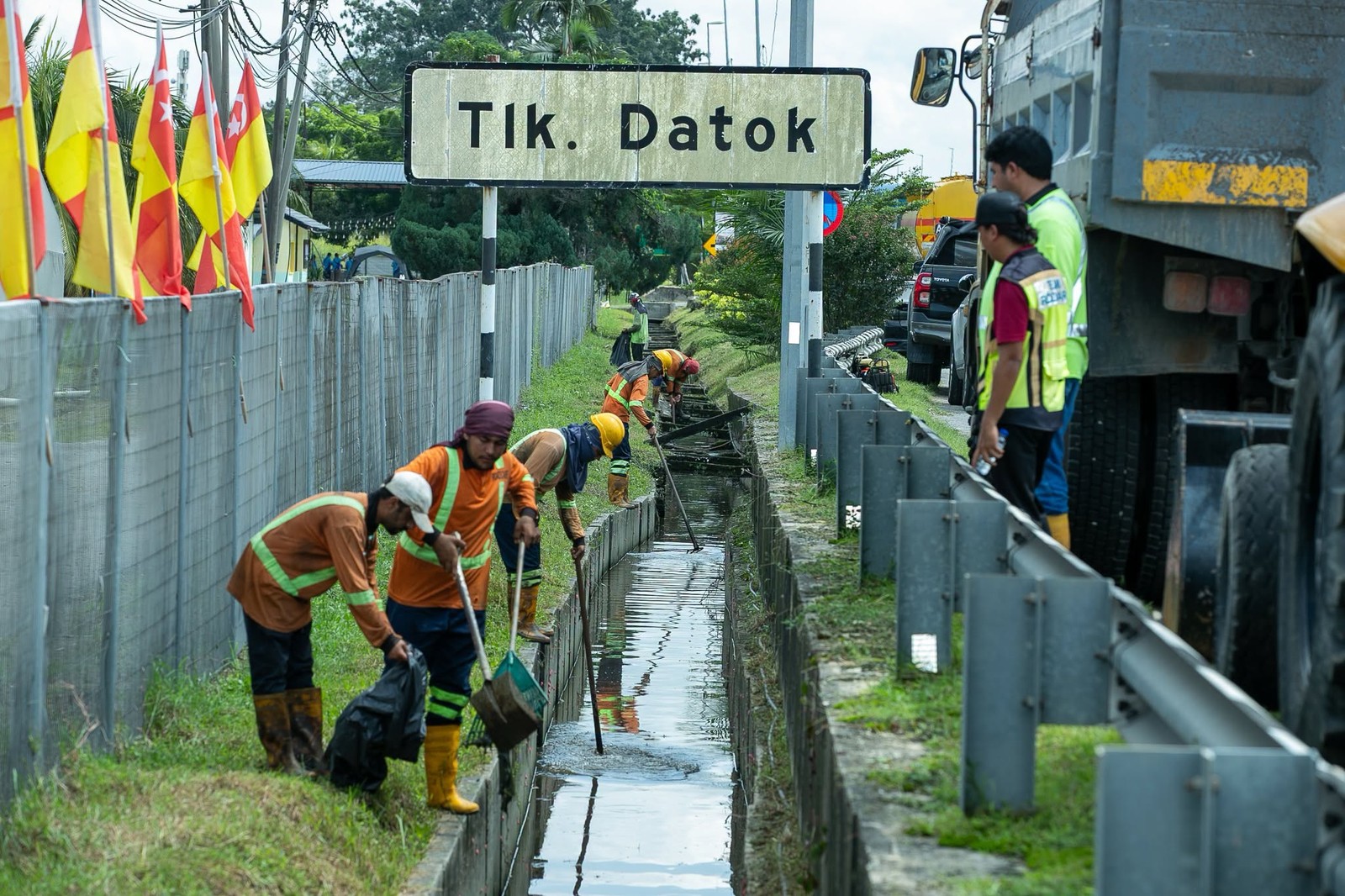
Photo: Ministry of Works Malaysia
PETALING JAYA, 25 November 2026 — The Public Works Department will intensify road maintenance and monitoring during the northeast monsoon to protect public safety, its director-general, Datuk Ibrahim Esa, said, as prolonged rain threatens to worsen potholes on federal roads.
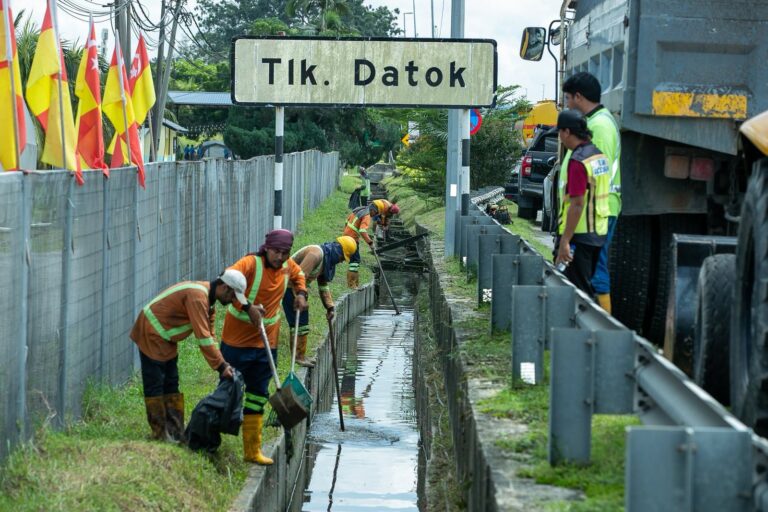
Ibrahim told The Star that at sites with severe potholes the department had already put up temporary warning signs, traffic cones and safety barriers to alert road users. Because Malaysia faces the northeast monsoon every year, he said more weight had to be given not only to repairs after damage appears, but also to preventive work such as drainage, regular inspections and the early spotting of pavement defects.
“This is particularly so for flood-prone areas, low-lying roads, high-traffic routes and locations identified with frequent pothole cases,” he said.
He said the department has a special task force for pothole repairs, involving district offices and road maintenance concessionaires, in addition to routine maintenance. Under JKR’s zero-pothole policy, concessionaires are required to fix potholes on federal roads within 24 hours, alongside scheduled pavement works.
The department has also stockpiled repair materials, including cold-mix asphalt and other temporary patches, at strategic sites ahead of the monsoon, Ibrahim said when contacted by The Star.
Why prolonged rain is harder on roads
Ibrahim advised motorcyclists to slow down in heavy rain and to avoid riding through standing water, where the condition of the road underneath cannot be seen. Accumulated rainwater can hide potholes and other defects, he said.
He also said that long spells of monsoon rain can do more damage to pavements than short, intense downpours. “The road structure remains exposed to moisture for an extended period. Rainwater can seep through existing cracks in the asphalt pavement, gradually weakening the underlying road structure.”
Assoc Prof Dr Law Teik Hua, head of the Road Safety Research Centre at Universiti Putra Malaysia, told The Star that water-filled craters can be fatal for motorcyclists. He suggested using artificial-intelligence tools to detect potholes through smartphone or vehicle-mounted cameras, GPS and reports from other road users, then sharing the location in real time through mobile alerts.
“However, we should not put the responsibility entirely on motorists to spot these hazards. Road authorities and highway concessionaires should also use this technology to identify potholes, monitor their locations and arrange repairs before accidents happen,” he said. The aim, he added, should be early detection, warning and prevention, not a response only after a crash.
Activist Azlan Sani Zawawi, better known as Lando, who leads a self-funded group that volunteers to patch potholes, said the quality of premix asphalt was often “below par,” which in his view is why holes open so easily in the rainy season.
The director-general’s remarks do not include a national count of outstanding potholes, or figures for how often the 24-hour repair rule is met. They do set out the official monsoon plan: warning signs at the worst sites, a dedicated repair task force, stockpiled materials, and a reminder that wet weather is dangerous for riders because defects can be hidden by water. Independent voices quoted in the same report argue that better detection technology and better materials would reduce the need for emergency patches once the rains set in.
The northeast monsoon is a familiar season for drivers on the peninsula’s east coast and in low-lying corridors, where standing water and broken surfaces often appear together. Ibrahim’s warning to motorcyclists is a practical one: what looks like a shallow puddle can conceal a hole deep enough to throw a rider. The 24-hour repair rule applies to federal roads under concession, not automatically to every municipal or estate road, a distinction that matters to users who encounter damage off the federal network. The Star’s report presents the official monsoon plan alongside two external views — one calling for better detection, the other for better asphalt — without the department offering a public scorecard on how often patches fail after the first heavy rain.
Sources: The Star
About The Author





 Bria AI
 Rizal Omar





 Bard AI
 Azrul Rizal