Jendela Phase 2 subcontracting will need MCMC approval, Fahmi says, after Sabah penalties top RM200 million
 Lina AI
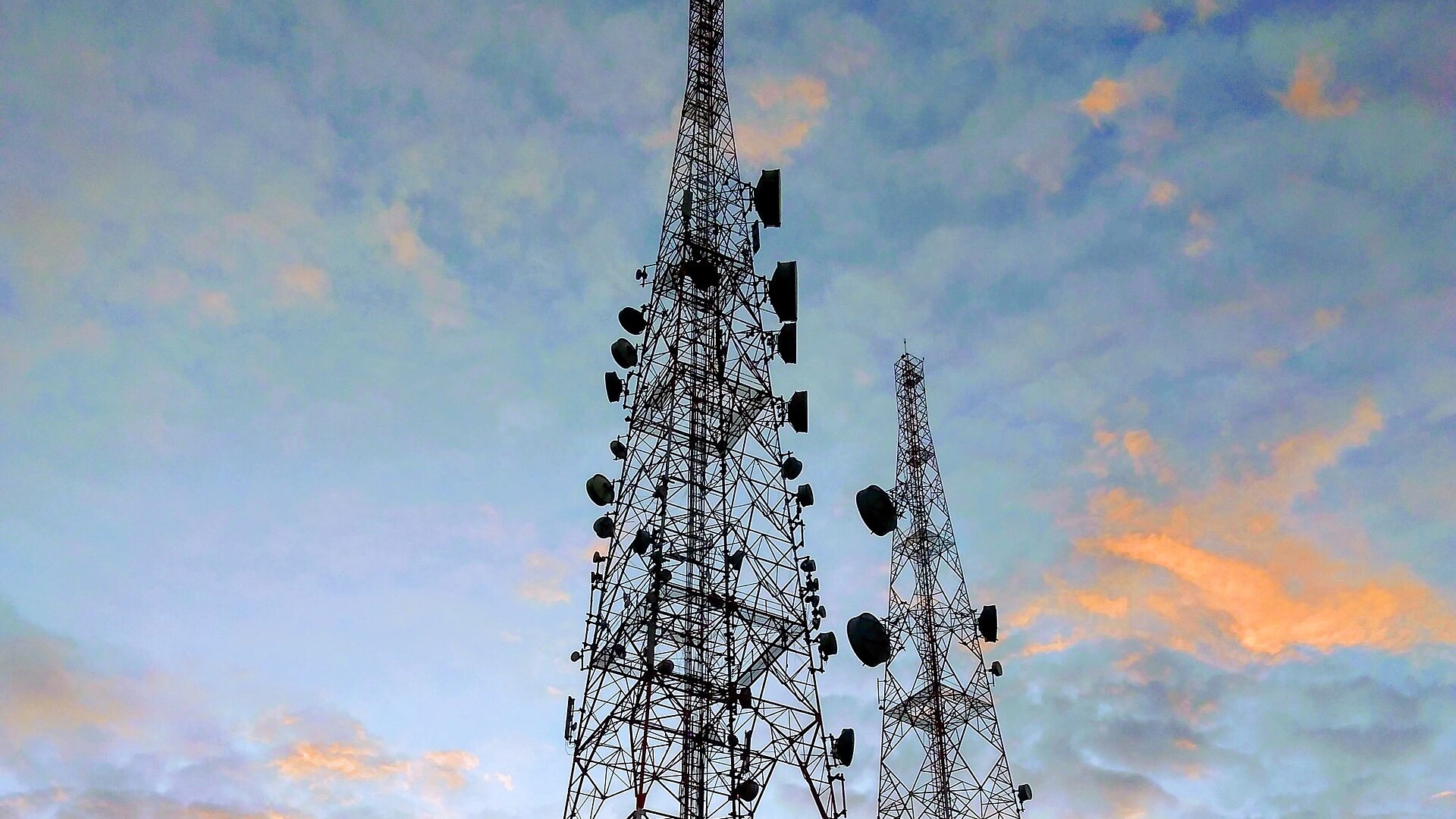
Telecommunications towers at Bukit Nyabau, Bintulu, Sarawak. Photo: Wee Hong / Wikimedia Commons (CC BY-SA 4.0), 25 December 2019
KUALA LUMPUR, 26 November 2026 — Contractors on the second phase of the National Digital Network, or Jendela, must tell the Malaysian Communications and Multimedia Commission and obtain its approval before subcontracting any of the work, Communications Minister Datuk Seri Fahmi Fadzil told the Dewan Rakyat on Thursday.
The rule, he said, follows problems in the first phase, when some companies that had been awarded projects passed the work on to other parties that then could not finish the job. “Any company with a contract that intends to (award subcontracts)… must inform MCMC and obtain approval,” Fahmi said during Minister’s Question Time, The Star reported.
Without that prior approval, a subcontracting arrangement cannot proceed. The minister presented the requirement as a direct response to a pattern that left sites unfinished and, in some cases, left lower-tier contractors unpaid.
Penalties in Sabah already exceed RM200 million
Fahmi said penalties imposed on contractors who failed to complete Jendela Phase 1 projects in Sabah had exceeded RM200 million. The fines, he added, were based on the number of sites allocated and were almost equivalent to the value of the contracts themselves.
The figures were given in reply to Shaharizukirnain Abd Kadir, the Perikatan Nasional Member of Parliament for Setiu, who asked about penalties on contractors that had failed to complete telecommunications tower projects under the first phase, The Star and later business reports said.
Jendela is the federal programme intended to close gaps in mobile and broadband coverage, particularly in rural and interior areas. The first phase drew repeated complaints in Sabah and elsewhere about delayed towers, incomplete sites and layers of subcontracting that made it hard to pin down who was responsible when work stalled. Thursday’s announcement is an attempt to stop that pattern from being repeated as the second phase is rolled out.
Where Phase 2 will go first
Fahmi said the first stage of Jendela Phase 2 involved 1,000 sites nationwide, with roughly one-third each in Peninsular Malaysia, Sabah and Sarawak. Work on the next batch of sites is expected to begin next year, with most of them in Sabah and Sarawak. Sarawak, he added, is expected to have the largest share among all states.
The geographic weighting reflects where coverage remains weakest. Sabah and Sarawak have long argued that they lag the peninsula in digital infrastructure, a complaint that has also surfaced in debates over the Malaysia Agreement 1963 and rural internet access. Putting a large share of the next sites in East Malaysia will be watched closely, not only for the number of towers promised but for whether they are actually completed on time.
The new approval rule places MCMC at the centre of any decision to farm out work. In principle, that should make it harder for a main contractor to pass an entire project down a chain of smaller firms. In practice, much will depend on how quickly the commission assesses requests, and on whether it is prepared to refuse them when a proposed subcontractor cannot show that it can finish the job.
Fahmi did not, in the reports of Thursday’s sitting, name the Sabah contractors that have already been penalised, or say how much of the unfinished Phase 1 work is still outstanding. Those details will matter to communities that have waited years for a reliable signal.
For now, the government has set out a clearer rule for Phase 2 and put a public figure on the cost of failure in the first round: more than RM200 million in penalties in Sabah, almost matching the value of the contracts themselves. Whether that combination of fines and tighter subcontracting rules produces finished towers, rather than another round of delays, will be the test of the policy.
About The Author





 Rizal Omar
 Bard AI
 Mohd Nazhrieyan Jailani

 Lee AI
 Anna J