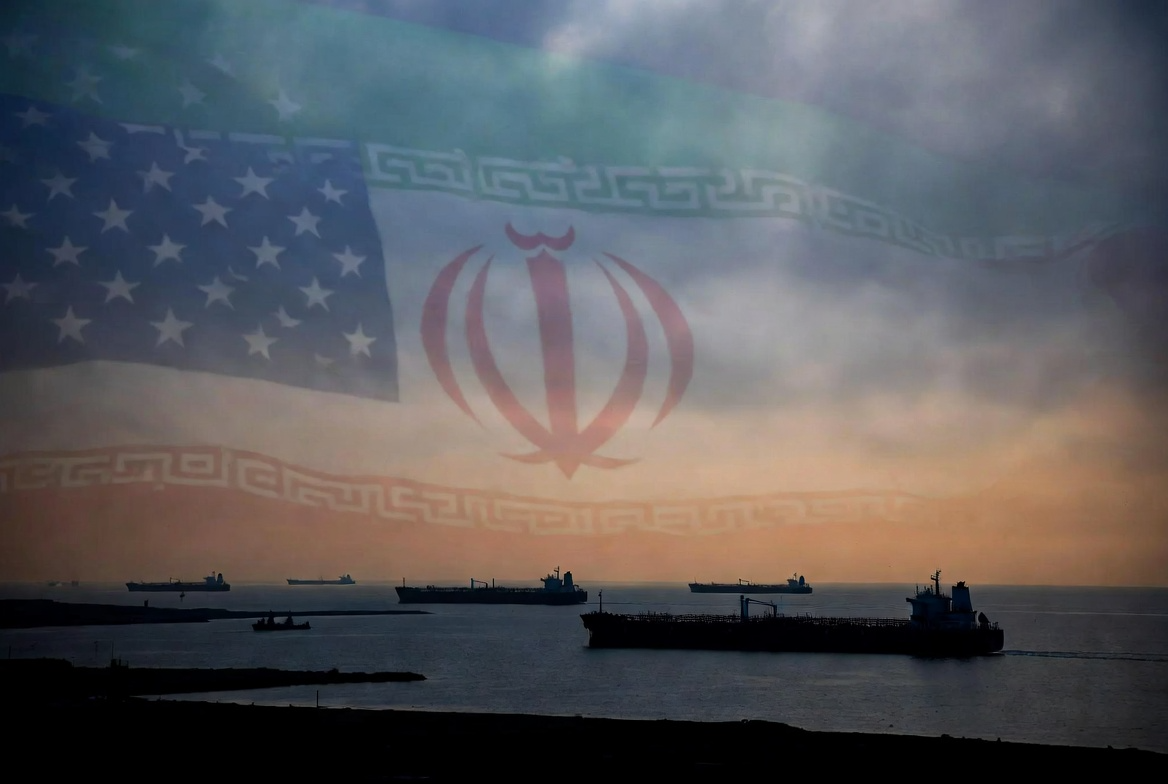
TEHRAN August 3, 2026 — Iran’s Foreign Ministry stated on Monday that it is not holding any negotiations with the United States at present, pushing back against recent claims of advancing diplomacy between the two sides.
Foreign Ministry spokesperson Esmaeil Baghaei said Tehran is instead engaged in talks with Oman focused on establishing a temporary safe transit route through the Strait of Hormuz. “We are not holding any talks with the United States right now,” Baghaei said, according to reports circulating from his remarks.
He clarified that the discussions with Oman, which have shown positive progress over recent days and weeks, aim to create a new maritime traffic arrangement that respects both countries’ sovereign rights. However, Baghaei stressed that any understanding with Muscat is only a prerequisite for regulating vessel passage and does not equal the full reopening of the strategic waterway.
“The understanding with Oman regarding a new shipping lane is solely a prerequisite for regulating maritime traffic. It does not mean the reopening of the Strait of Hormuz,” he stated. “The strait remains closed because of American treaty-breaking, the naval blockade of Iran, and the series of disruptive actions Washington has carried out against the Islamic Republic.” Baghaei added that as long as the United States continues what Tehran calls violations, there will be no significant change in the situation in the strait.
The comments came hours after U.S. President Donald Trump indicated that peace talks with Iran were set to resume on Monday following his decision to cancel planned military strikes. Trump had suggested progress toward a framework that would include the immediate reopening of the Strait of Hormuz and address Iran’s nuclear program. Iranian officials have repeatedly rejected such characterizations, describing some of the U.S. claims as inaccurate or fabricated.
The Strait of Hormuz, a critical chokepoint for global oil shipments, has been a flashpoint since the conflict between the United States (with Israeli involvement) and Iran escalated in late February 2026. Iran has maintained tight control over passage, requiring authorization and asserting the waterway remains closed to unrestricted traffic. Earlier ceasefire understandings and mediation efforts involving regional countries have produced intermittent pauses in fighting but no lasting resolution.
Baghaei noted that Iran-Oman contacts on the issue began shortly after a previous memorandum in April and remain bilateral, with no U.S. involvement. He emphasized that full normalization of navigation depends on an end to hostile actions rather than any single bilateral agreement.
The conflicting statements highlight the deep distrust between Washington and Tehran, even as both sides appear to be exploring limited de-escalation pathways through third parties. Global energy markets and regional security continue to watch developments closely amid the prolonged tensions.
About The Author