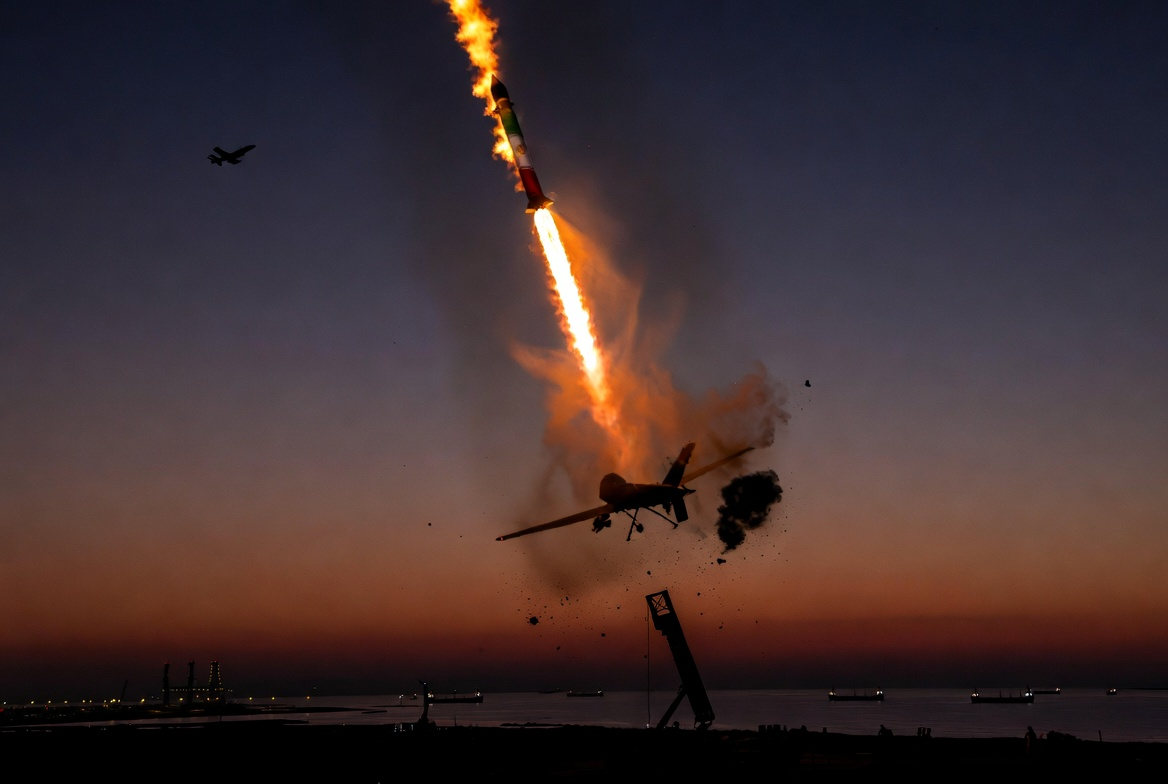
TEHRAN, May 28, 2026 — Iran’s Islamic Revolutionary Guard Corps (IRGC) announced today that its forces shot down a US MQ-9 Reaper drone operating in or near Iranian airspace in southern Iran, escalating tensions despite ongoing diplomatic efforts to extend a fragile ceasefire.
The IRGC stated the downing occurred after recent US strikes on Iranian naval and drone-related facilities near Bandar Abbas. Iranian media released unverified video footage purporting to show the drone being struck by a surface-to-air missile and subsequent wreckage. The IRGC also claimed its forces fired on a US F-35 fighter jet and an RQ-4-type surveillance drone during the incident, though these claims remain unconfirmed by independent sources.
US officials have not yet publicly confirmed the loss of a drone in this specific incident. A CENTCOM spokesperson declined immediate comment on Iran’s latest assertion. The US has previously acknowledged losing multiple MQ-9 Reapers during the broader 2026 conflict but described many such operations as successful in degrading Iranian capabilities.
This latest exchange comes as US and Iranian negotiators work on a draft memorandum to extend the April 2026 ceasefire by up to 60 days. The proposed deal aims to gradually reopen the Strait of Hormuz to commercial shipping, ease some restrictions on Iranian oil exports, and launch broader talks on Iran’s nuclear program.
Neither President Donald Trump nor Iran’s Supreme Leader has given final approval to the draft, according to multiple US and regional sources. Headlines of progress have repeatedly driven market swings in oil prices, only for optimism to fade without signed agreements.
Earlier today, reports highlighted US defensive actions, including the downing of several Iranian one-way attack drones threatening navigation in the Strait of Hormuz and strikes on an Iranian ground control station in Bandar Abbas.
The 2026 Iran war, which began in late February with US and Israeli strikes on Iranian targets, has disrupted global energy markets and led to significant military losses on both sides. Iran has closed or heavily restricted the Strait of Hormuz — a critical chokepoint carrying about one-fifth of global oil — in response to the initial campaign. Ceasefire extensions have focused on restoring safe passage while deferring tougher issues like Iran’s ballistic missile program and nuclear ambitions.
Iran’s state media framed the drone incident as a legitimate defense of sovereignty against “US aggression” and a violation of the ceasefire. The IRGC warned it reserves the right to respond further.
Oil prices reacted with volatility to the news, with Brent crude briefly climbing before traders weighed the limited immediate impact on the broader truce talks. Markets have grown accustomed to such tit-for-tat incidents amid the “headline-driven” negotiation cycle.
Pakistan and Qatar continue to mediate between the sides. Analysts describe the emerging framework as a temporary management mechanism rather than a comprehensive peace deal.
Life News Agency will continue monitoring developments as both sides balance military posturing with diplomatic efforts to prevent further escalation. No casualties from the latest drone incident have been independently confirmed.
About The Author