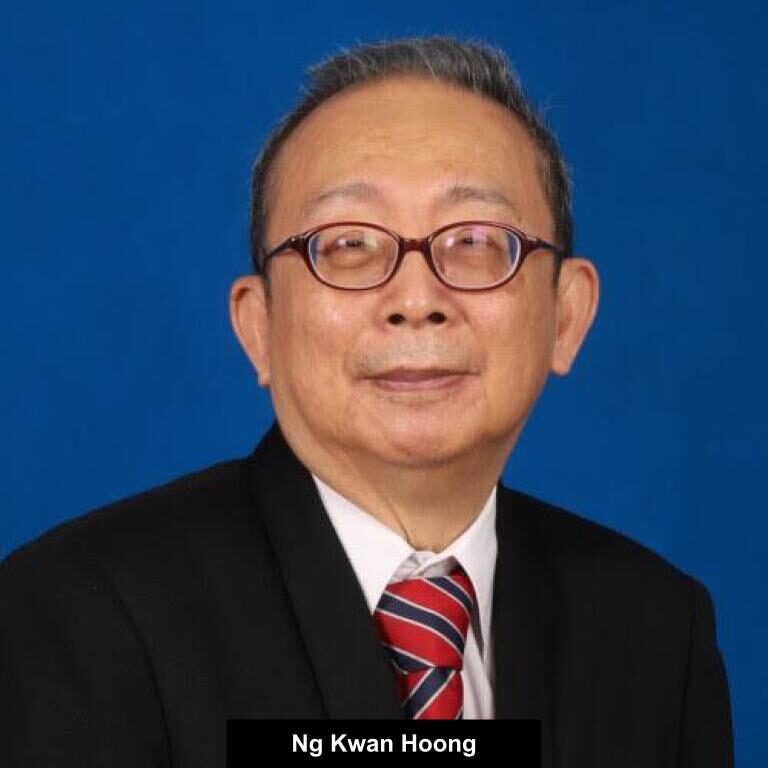
By Ng Kwan Hoong
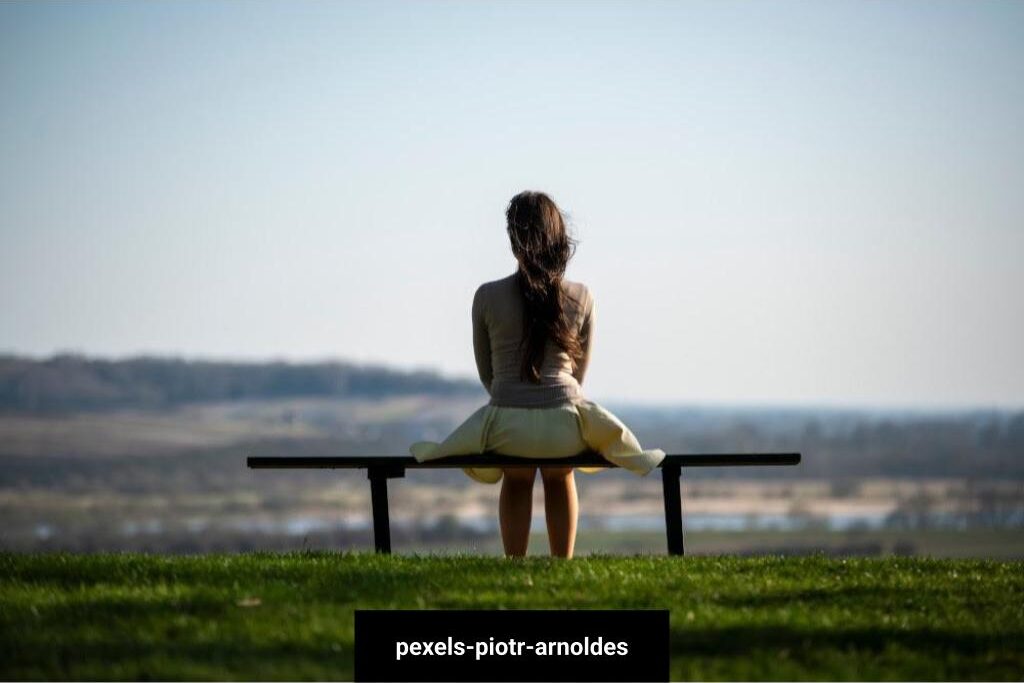
On a summer afternoon in Vienna, I found a quiet spot beside the Danube. The air was cool, stirred gently by the breeze moving through the trees, while sunlight shimmered across the river’s ripples. With a cup of gelato in hand, I simply sat and watched the world go by. A cyclist passed at an unhurried pace. A couple lingered by the water, speaking softly. Somewhere in the distance, a child laughed.
For a brief moment, nothing demanded my attention. I did not need to accomplish anything or be anywhere else. I simply existed. And I found myself wondering:
When had I forgotten to live like this?
We live in a world that rarely pauses. Everything is measured, scheduled and optimised. We are constantly encouraged to become more productive, more efficient and more connected. Success is often defined by how busy we are, as though our value depends on how much we produce. Even our conversations are fitted between commitments, our rest squeezed between obligations. Somewhere along the way, life has become something we are always managing but seldom experiencing.
The Italians have a beautiful expression for this forgotten art: dolce far niente, the sweetness of doing nothing. It is not about idleness or laziness, nor is it a rejection of work. Rather, it is the ability to let a moment be enough, without feeling the need to turn it into something else.
It is not something unfamiliar to us. We recognise it, perhaps, in small and passing ways. A quiet cup of coffee that lingers longer than intended. A walk taken without a destination. A conversation that continues simply because there is no reason to end it. These moments do not stand out because they are extraordinary, but because they are becoming rare.
Nature itself moves in this rhythm. Trees do not bloom every day of the year. Rivers have calm stretches as well as rapids. Even the earth follows the steady cycle of the seasons, moving through periods of growth and rest without urgency or hesitation. There is a time for activity, and there is a time for stillness, and neither is complete without the other.
Yet modern life often persuades us otherwise. We begin to feel that every moment must be filled, every minute justified. Even rest is no longer rest. It becomes preparation for the next task, a way to recover so that we may continue moving forward. Leisure is quietly redefined as recovery, and recovery becomes another form of productivity.
Over time, something subtle changes. We become less comfortable with stillness. Moments of quiet begin to feel unfamiliar, even slightly uneasy. We reach instinctively for our phones, our schedules, or anything that fills the space. Not because something is required, but because we are no longer accustomed to letting a moment remain as it is. And yet, it is often in these unstructured moments that something within us begins to return.
We notice more. The way light settles on a surface. The rhythm of footsteps passing by. The gentle movement of air that we would otherwise ignore. We breathe more deeply, without realising it. Thoughts that were previously crowded out begin to find space again. There is no immediate outcome, no measurable result, but a quiet sense of presence that is difficult to describe and easy to overlook. It is not that nothing is happening. It is that we are no longer trying to make something happen.
Looking back at that afternoon by the Danube, I realise that the moment itself was unremarkable. The river flowed as it always had. People came and went. The light shifted slowly as the day moved on, without announcing its change.
Nothing extraordinary occurred. And yet, something felt complete.
Perhaps this is what we have been missing. Not more time, but a different way of being within it. The ability to allow a moment to stand on its own, without needing to justify it, improve it or transform it into something more productive. It is a small shift, but not an easy one.
To sit without doing. To remain without reaching. To experience without managing. These are not habits that come naturally to us anymore. They require a certain willingness to step away from the constant pull of movement, and to trust that a moment does not lose its value simply because nothing is being produced from it.
I recalled Winnie-the-Pooh standing quietly on a bridge, watching the river flow beneath him. He does not hurry to understand it or attempt to control it. He simply watches. As A.A. Milne wrote, “If you stand on the bottom rail of a bridge, lean over and watch the river slipping slowly away beneath you, you would suddenly know everything that there is to be known.”
Perhaps Pooh understood something that we, in our constant movement, have forgotten. What we have been searching for may not be far away. It may be found in moments we have learned to overlook, in pauses we have been too quick to fill, and in a stillness we have quietly set aside.
And perhaps, in learning to remain there again, we begin to rediscover the simple sweetness of doing nothing.
About The Author