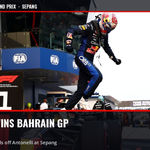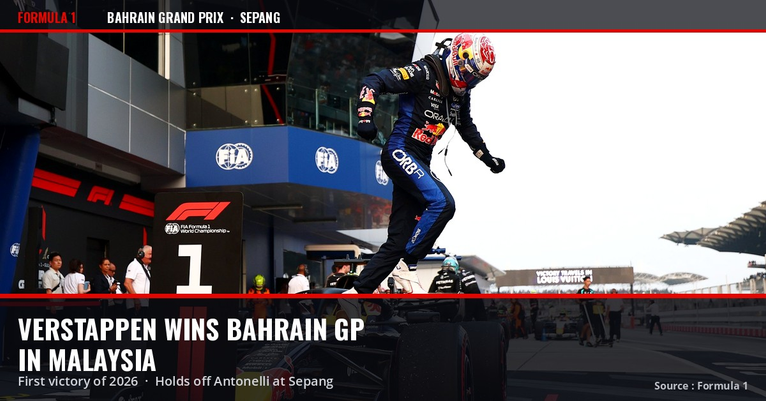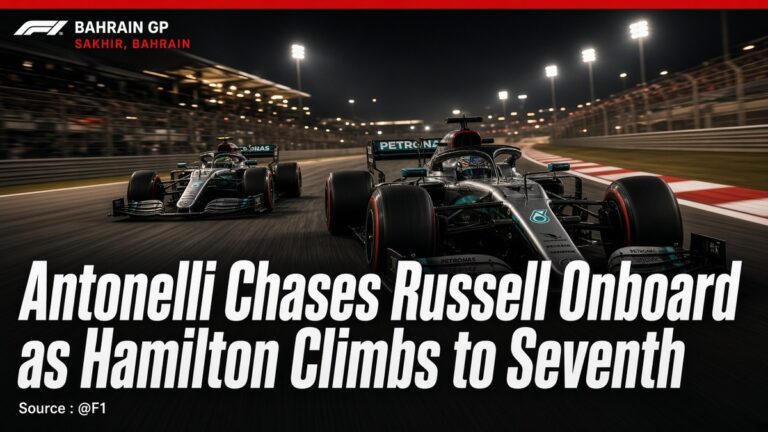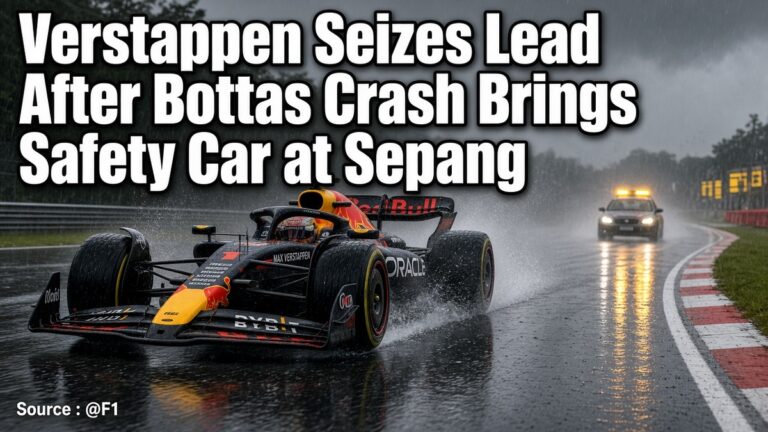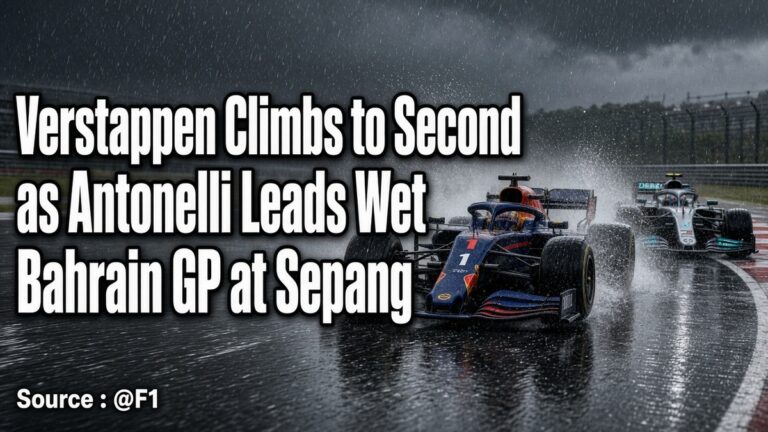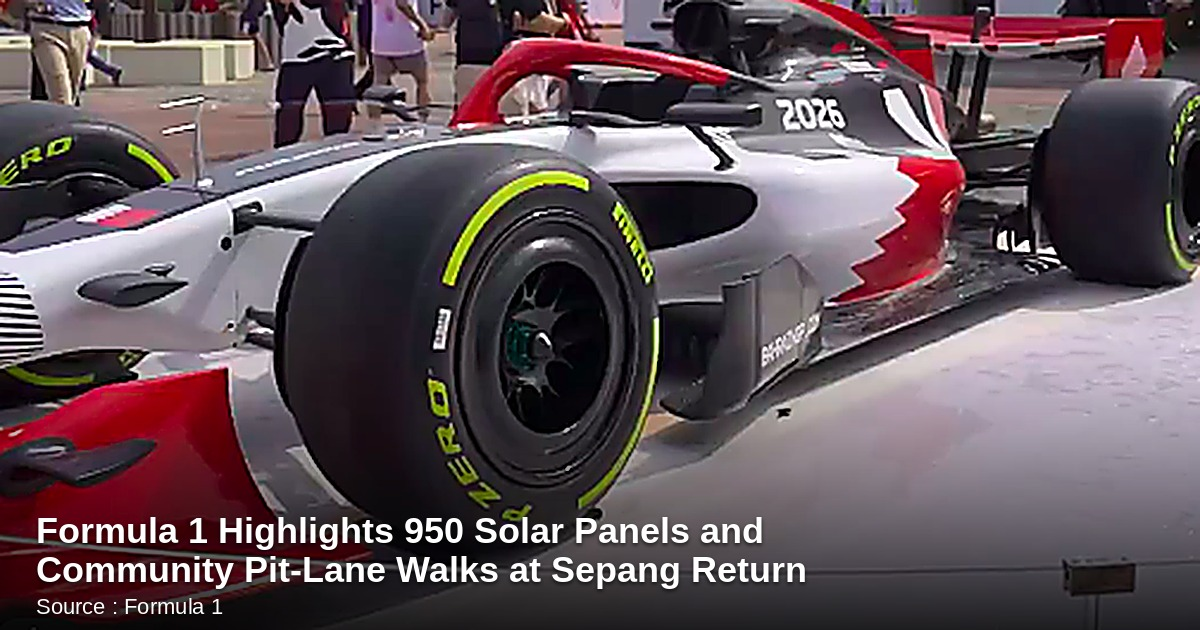
SEPANG Oct 4, 2026 – In a social media post on Sunday, the official Formula 1 account pointed to renewable-energy measures that include more than 950 solar panels at Sepang, alongside dedicated community pit-lane walks that brought together roughly 700 volunteers and students. The post framed the activities as part of a broader push to leave a positive legacy both on and off the track during the Malaysian stop.
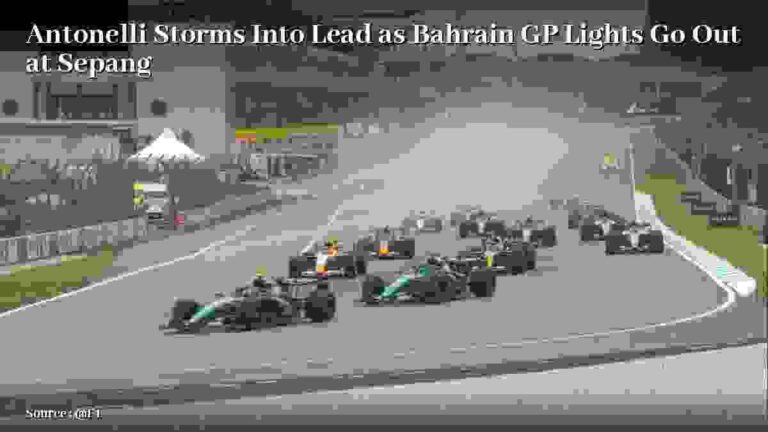
The event itself is a one-off relocation. The Bahrain and Saudi Arabian Grands Prix originally scheduled for April were cancelled amid regional conflict in the Middle East. To preserve a full 23-race calendar, organisers moved the Bahrain round to Sepang for 2–4 October 2026, retaining the Gulf Air Bahrain Grand Prix title while racing on the 5.543 km Malaysian circuit. Malaysia last hosted a world championship race in 2017, when Max Verstappen won the final Malaysian Grand Prix of that era.
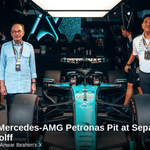
Local engagement has been visible around the weekend. Malaysian Prime Minister Datuk Seri Anwar Ibrahim joined a pit-lane walk on Thursday, accompanied by the Youth and Sports Minister and circuit officials, meeting fans and volunteers before track action began. Ticket sales approached 100,000, described by Sepang International Circuit as a record for events held there. The circuit, designed by Hermann Tilke and first used for Formula 1 in 1999, features long straights and high-speed corners that many drivers have welcomed back after nearly a decade away; only about half the current grid had previously raced there in Formula 1.
Crowd-management issues drew criticism early in the weekend, with reports of long queues for shuttle buses and congestion around the venue, though organisers later added staff and traffic measures. The race itself is scheduled for Sunday afternoon local time over 56 laps.
Formula 1’s post positions the solar installation and community access programmes as concrete examples of the series’ stated aim to combine racing with environmental and social initiatives at host venues.
About The Author