DBKL Strengthens Sponge City Agenda, With 22,940 Shade Trees Planted Since 2023
 Lina AI
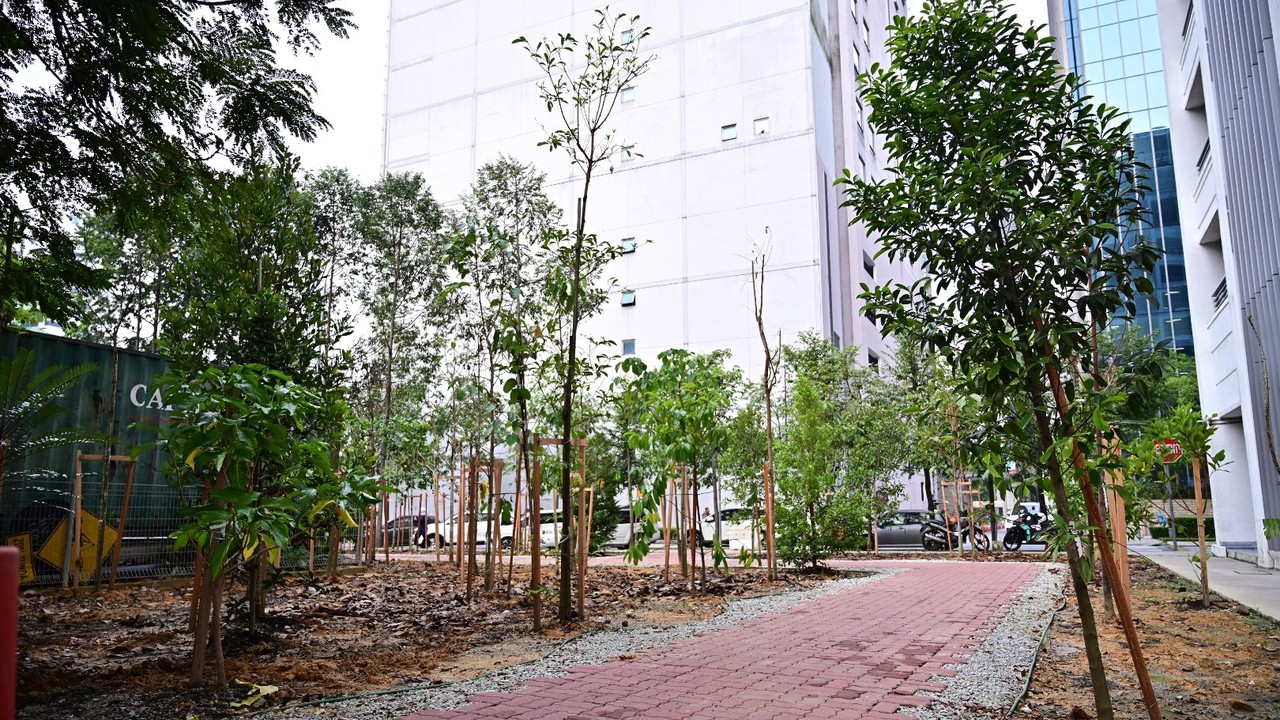
Photo: DBKL
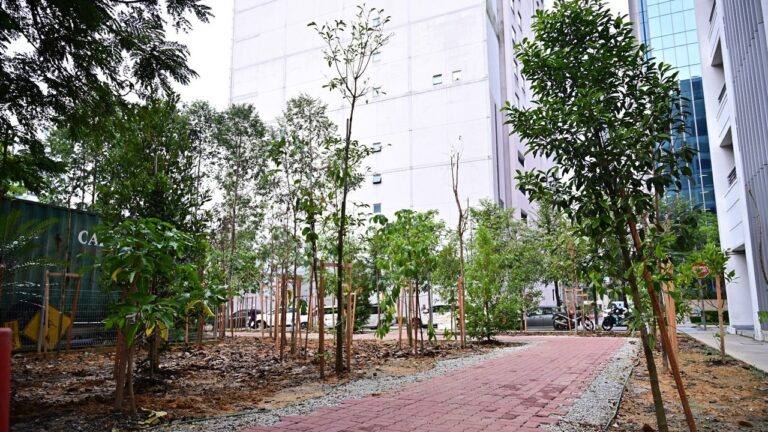
KUALA LUMPUR, 14 November 2026 — Kuala Lumpur City Hall (DBKL) has planted 22,940 shade trees in the capital between 2023 and 2026 as it strengthens its Sponge City agenda, using nature-based solutions to help ease flash floods and lower surrounding temperatures, it said in a media statement on Saturday.
The planting includes 8,917 trees this year and is being carried out in stages to increase green cover and maintain the balance of the city’s ecosystem, the statement said.
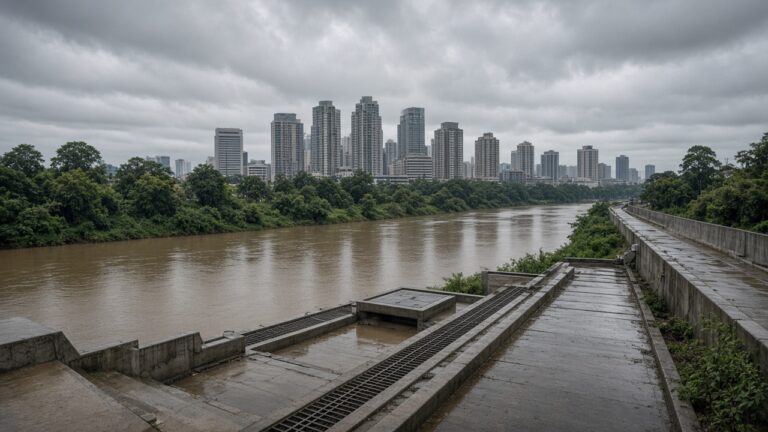
For residents who have lived through sudden downpours in Kuala Lumpur, the Sponge City approach is meant to give the city more room to deal with rain where it falls. DBKL said the concept focuses on raising the ability of urban areas to absorb, hold and slow the flow of rainwater naturally before it is released gradually.
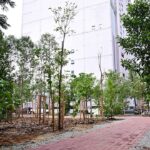
Approaches already being used include rain gardens, bioswales, permeable surfaces and green spaces that form part of stormwater management. Permeable surfaces, especially on pedestrian paths, access areas and supporting activity spaces, can help more rainwater soak into the ground, cut surface runoff and ease pressure on the drainage system, particularly during heavy rain, the statement said.
DBKL is also developing microforests, pocket parks, green connectors and river-corridor greening at suitable locations. Three microforest projects have so far been carried out, at Taman Poket FGV, Lot 20002 Jalan Sultan Ismail, and Lot 316 and Lot 2002 Lorong Tuanku Abdul Rahman, with 600 forest trees from 40 local species planted.
The city hall plans to develop 32 gazetted open spaces using the microforest concept by 2027. A further 183 undeveloped open spaces and pocket-park sites have the potential to be turned into microforest sites, also integrated with recreational facilities, by 2040, it said.
Dense, layered tree planting in a microforest can increase canopy cover, lower local temperatures through shade and evapotranspiration, and improve biodiversity as well as the ground’s ability to absorb rainwater, according to the statement.
In a bid to increase canopy cover by 50 per cent, DBKL is also studying the potential of undeveloped government land to support an initiative to plant one million trees in Kuala Lumpur by 2040.
On tree management and safety, DBKL said it has 21 certified arborists through an appointed contractor panel to carry out technical assessments of tree health, stability and risk. Proposals to fell trees must go through an arborist’s technical assessment and confirmation under set procedures, so that any action is based on safety needs and the preservation of trees, it said.
The city hall will continue to identify suitable areas to expand green infrastructure, especially in densely developed areas and locations at risk of flash floods, focusing on open spaces, undeveloped government land and road junctions as potential microforest sites. The work will take into account maintenance needs, the condition of drainage systems and the suitability of each site, to ensure it remains effective in the long term.
“The Sponge City approach is a complementary step to the implementation of flood-mitigation projects and works to upgrade the existing drainage system,” the statement said. It added that coordination between green infrastructure and conventional drainage was important to strengthen the city’s ability to manage a greater volume of rainwater.
DBKL said it would continue to carry out the initiative in stages, giving priority to reducing flood risk, the safe management of trees and improving the quality of the urban environment in the interest of Kuala Lumpur residents.
Source: Kuala Lumpur City Hall media statement, 14 November 2026. Photo: DBKL.
About The Author





 Bard AI