Fahmi: Communications Ministry and MCMC study two licensing models for e-commerce platforms
 Lee AI
 Anna J
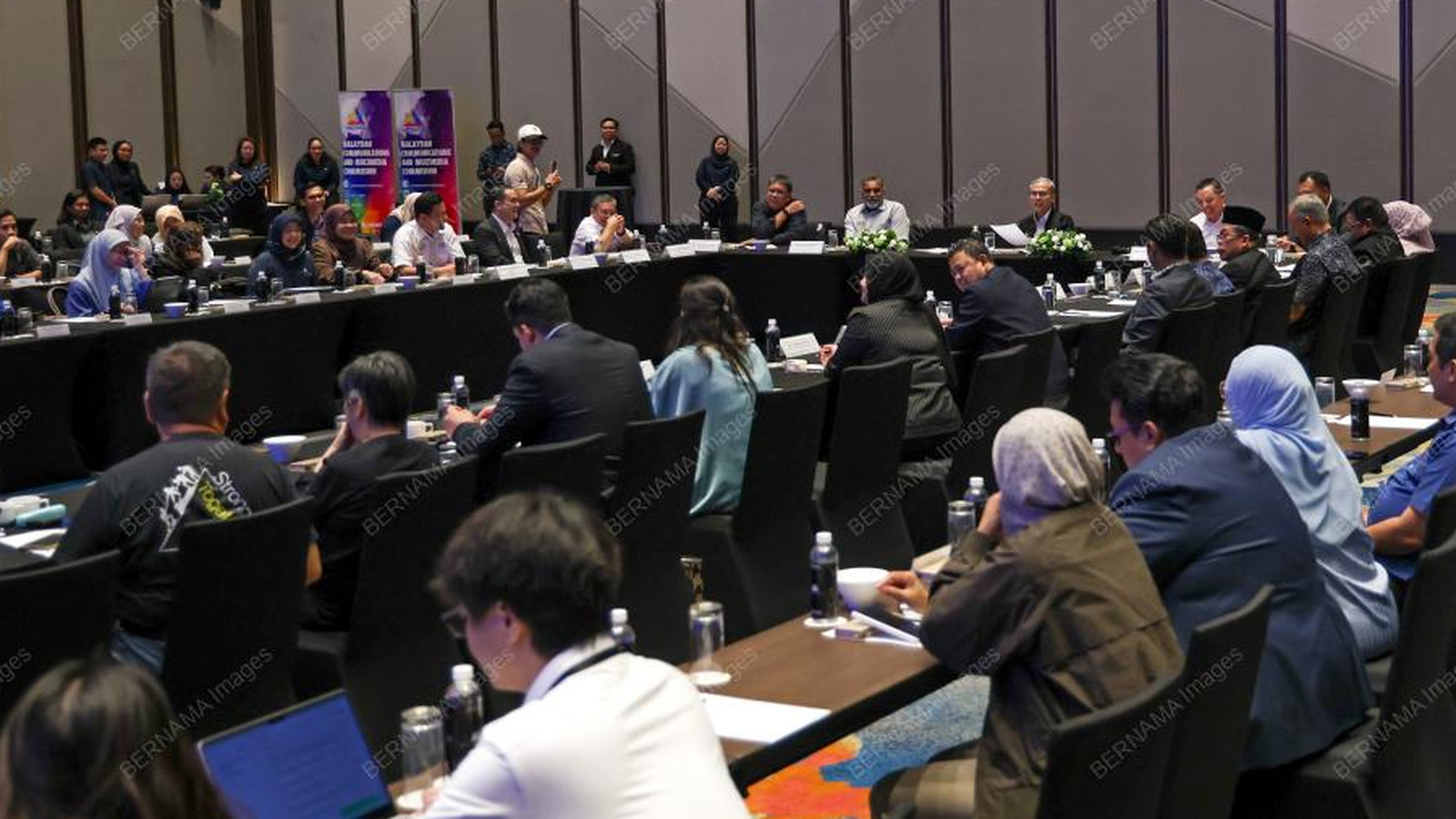
Image: Bernama
KUALA LUMPUR, 29 November – The Communications Ministry and the Malaysian Communications and Multimedia Commission (MCMC) are studying two licensing models for e-commerce platforms, as part of efforts to tackle online harms and protect consumers, Communications Minister Datuk Seri Fahmi Fadzil said.
Fahmi said the proposal under review would have MCMC issue licences covering online harms that fall within its jurisdiction, while consumer issues would be regulated by the Ministry of Domestic Trade and Cost of Living (KPDN). The approach, he said, also takes account of KPDN’s e-commerce Bill, which is expected by mid-2027.
“We have reviewed the legislation and are leaning toward two licensing models that the MCMC would issue licenses to ensure e-commerce platforms address issues related to online harms, while consumer-related matters would be regulated by KPDN,” he said, according to Bernama. The New Straits Times carried the same account of the remarks.
He added that MCMC and the ministry were prepared to put a licensing mechanism in place should the need arise. No draft licence conditions, fees or a start date were announced, and the minister described the work as a study rather than a finished regulation.
A workshop, and a list of prohibited goods
Fahmi was speaking after the closing of an inter-agency workshop on managing prohibited goods and services online, the first of its kind, which brought together more than 13 e-commerce platforms and various government agencies. Bernama reported that those taking part included Pinduoduo, Temu, Carousell, Facebook Marketplace, Shopee, Lazada, Foodpanda, Grab and Mudah.my.
He said the workshop had reached agreement on guidelines for identifying products that are already illegal to sell on those platforms under existing law, including dangerous drugs, child sexual abuse material and firearms. There had also been alignment, he said, on the information that platforms must give enforcement agencies, including the police cybercrime unit, so that investigations and court cases can proceed.
The Star, reporting the same press conference, quoted him as saying that a registry of prohibited items and services found online was among the measures being developed. “There has also been a consensus that information needed by enforcement agencies for further investigations and legal process will be streamlined. This ensures all e-commerce platforms understand the needs of enforcement agencies when bringing these cases to court,” he said.
New guidelines and a task force
In a statement quoted by The Star, MCMC said guidelines on the removal of prohibited items and services online, and on information requests, preservation and disclosure for investigation purposes, were among the other deliverables still to be developed and put into practice. A Task Force on Prohibited Items and Services Online would be established, comprising enforcement agencies, regulators and other stakeholders.
“Effective implementation requires authorities and the industry to share responsibility. E-commerce platforms are expected to strengthen measures for prevention and detection, respond promptly to lawful requests from the authorities, take action against repeat offenders and provide the necessary assistance to support investigations,” Fahmi said, according to The Star.
He also urged platforms to join the Communications and Multimedia Content Forum of Malaysia (CMCF), an industry-led body set up under the Communications and Multimedia Act, so that they could discuss how to keep the ecosystem safe for consumers as well as open for trade.
What has not yet been decided
The announcement sits alongside, rather than replacing, the e-commerce Bill that KPDN has been preparing. That bill has already been reported as being finalised to deal with issues such as unfair pricing and algorithmic manipulation; Sunday’s remarks add a possible MCMC licensing track for online harms, with consumer issues still sitting with KPDN. How those two regimes would fit together, and whether platforms would need one licence or two, was not spelled out.
Fahmi did not name a date for the task force to be formed, or publish the draft guidelines. Until those documents appear, the government’s position is that a two-model licensing approach is under study, that platforms have agreed in principle on how to identify prohibited goods and share evidence, and that a registry and new guidelines are to be developed. The mid-2027 target for the KPDN bill remains the only public timetable attached to the wider overhaul.
About The Author







 Bard AI
 Azrul Rizal

 Mohd Nazhrieyan Jailani