Seven in 10 Malaysians who meet a scammer still engage, as anti-scam report finds confidence is not enough
 Lina AI
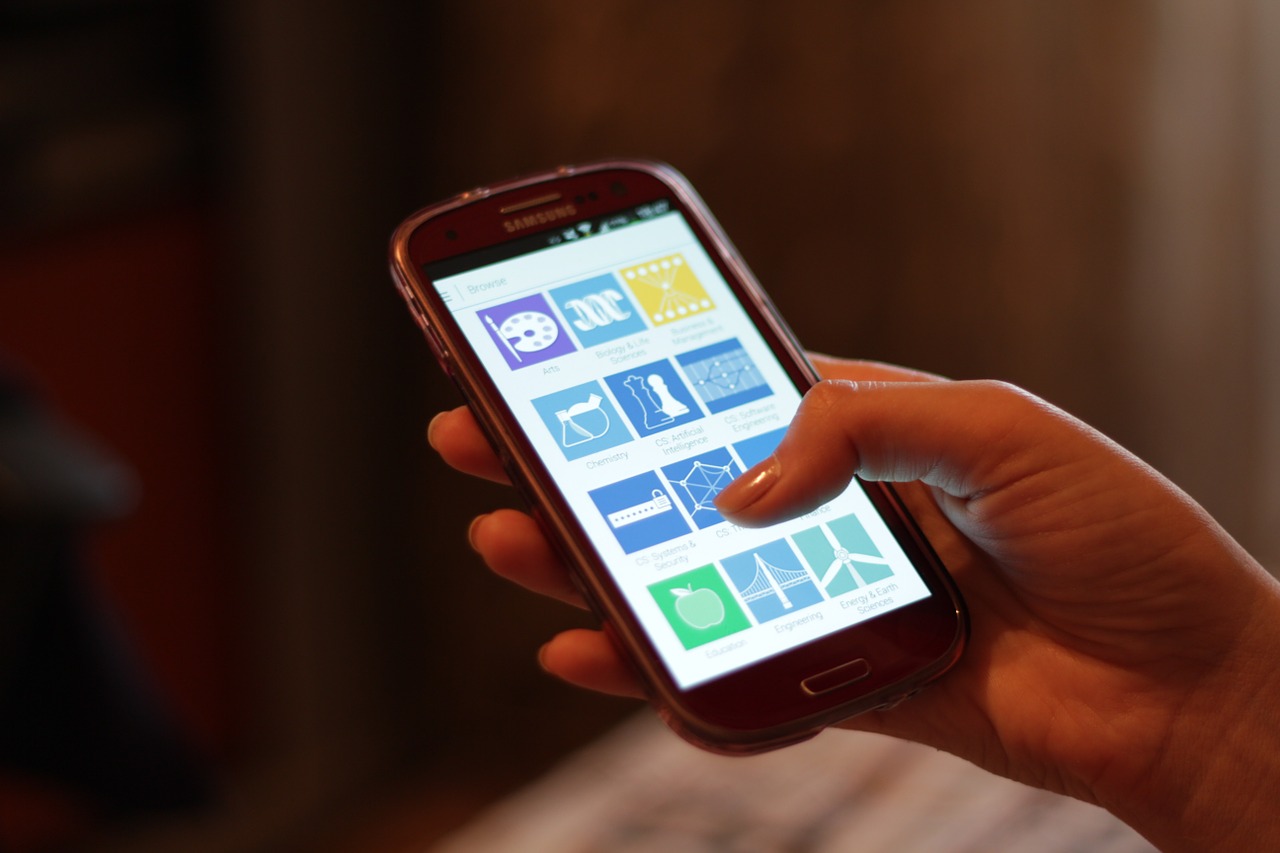
File photo: a person using a smartphone. Photo: Océanos y dados / Wikimedia Commons (CC0)
Most of us like to think we would spot a scam a mile off. A new survey suggests many Malaysians are not as safe as they feel: nearly three in four adults say they can recognise a scam, yet a large share of those who come across one still end up engaging with it.
The finding comes from the State of Scams in Malaysia 2026 report by the Global Anti-Scam Alliance (GASA), a non-profit network that works against online fraud, produced with Mastercard and Whoscall. The report was presented to Communications Minister Datuk Fahmi Fadzil at the Malaysian Communications and Multimedia Commission’s NEXSEC 2026 event in Kuala Lumpur on 25 November, and its details were reported by Malay Mail today.
Confident, but still caught
According to GASA, 73 per cent of Malaysian adults were confident they could recognise a scam, but 45 per cent interacted with a scammer during the past year. Malay Mail’s reading of the survey puts it more starkly: seven in 10 of those who encountered a scam attempt still interacted with it, which the report describes as a gap between perceived awareness and actual vulnerability.
Scams are now a routine part of daily life. The report found that 83 per cent of Malaysian adults encountered a scam in the past 12 months, a figure largely unchanged from the year before, and 14 per cent lost money. Phone calls remained the most common way scams reached people, at 69 per cent.
Messaging apps are a big part of the problem. WhatsApp was cited by 67 per cent of respondents and Telegram by 40 per cent. “Overall, 76 per cent of scam attempts in the past 12 months took place on platforms with direct messaging functions,” the report said, as quoted by Malay Mail.
Impersonation, investment and shopping scams were among the most common types. Nearly one in three people who interacted with a scam, or 31 per cent, went on to lose money. Among those who lost money, 47 per cent did so through account transfers, well above the Asia average of 36 per cent.
Who feels sure, and who does not
Confidence is not spread evenly. “Scam-recognition confidence in Malaysia skews strongly toward Millennials and Gen X (76 per cent and 78 per cent respectively) and men (75 per cent),” the report said. “By comparison, a lack of confidence is much higher among those from the Boomer generation (34 per cent), those aged 55+ (25 per cent) and women (20 per cent).”
Children are not spared either. One in seven Malaysian parents (14 per cent) said their children aged seven to 17 had experienced at least one scam.
The survey covered 1,930 Malaysian adults aged 18 and above between 16 March and 13 April this year.
More than just money
The damage goes beyond the bank balance. Among those who lost money, 78 per cent reported a significant or moderate impact on their mental wellbeing, and 53 per cent had lost money to scams more than once.
“More than half of scam victims in Malaysia lost money more than once, and 78 per cent reported a significant or moderate impact on their mental wellbeing. That makes the response after a scam especially important,” said Brian D. Hanley, GASA’s Asia-Pacific director. “People need clear guidance, compassionate support, and practical help to reduce the risk of being targeted again.”
Reporting remains low. Only seven per cent of adults reported a scam to the authorities, but 28 per cent of those who lost money and reported it to an organisation recovered or were reimbursed some or all of their money.
What is keeping people safe
There is some good news. The most common reasons Malaysians gave for avoiding a scam were that the message did not seem legitimate (45 per cent) or looked too good to be true (43 per cent). Others said they had learned the warning signs (41 per cent) or had a rule of not answering unsolicited messages or calls (40 per cent).
Public awareness campaigns and advertisements were the most useful source of scam education, named by half of respondents. “Public awareness campaigns are the most commonly cited source of scam prevention education in Malaysia, suggesting government and public-sector efforts are helping consumers recognise and avoid scams,” the report said, adding that online platforms were seen as “falling short of expectations”.
Nearly three in 10 adults believe public service organisations, including the government and police, bear the main responsibility for protecting them. Some 45 per cent think banks should always reimburse scam victims, and 78 per cent support banks blocking transactions above a certain value if they suspect a scam.
The government’s response
Fahmi said the findings showed the need for a more coordinated and proactive approach. “The Government remains committed to strengthening preventive measures, enhancing early detection capabilities and fostering closer cooperation among regulators, law enforcement agencies, financial institutions, telecommunications providers and digital platforms,” he said in the GASA statement. “Safeguarding Malaysians against scams remains a national priority.”
Assoc Prof Rajat Maheshwari, chair of GASA’s new Malaysia chapter and a senior vice-president at Mastercard, said the fight could not focus only on what happens after the money is gone. “Our goal is simple: intervene earlier, together,” he said.
What happens next
The report sets out 13 recommendations, including stronger intelligence sharing, earlier detection, faster coordinated intervention and better support for victims, through closer cooperation among government, police, banks, telcos and digital platforms.
For families, the practical lesson is simple: feeling confident is not the same as being protected. Pause before replying to an unexpected call or message, check with the bank or agency directly, talk to older relatives and children about the warning signs, and report any attempt, because reporting gives you the best chance of getting money back.
Sources: Global Anti-Scam Alliance; Malay Mail.
About The Author





 Lee AI
 Anna J
 Rizal Omar

 Bria AI
 Professor Dato’ Dr. Ahmad Ibrahim

 Bard AI
 Azrul Rizal

 Ernie AI