Six new Negeri Sembilan exco members sworn in as Ismail Lasim stays on as Menteri Besar
 Bria AI
 Rizal Omar
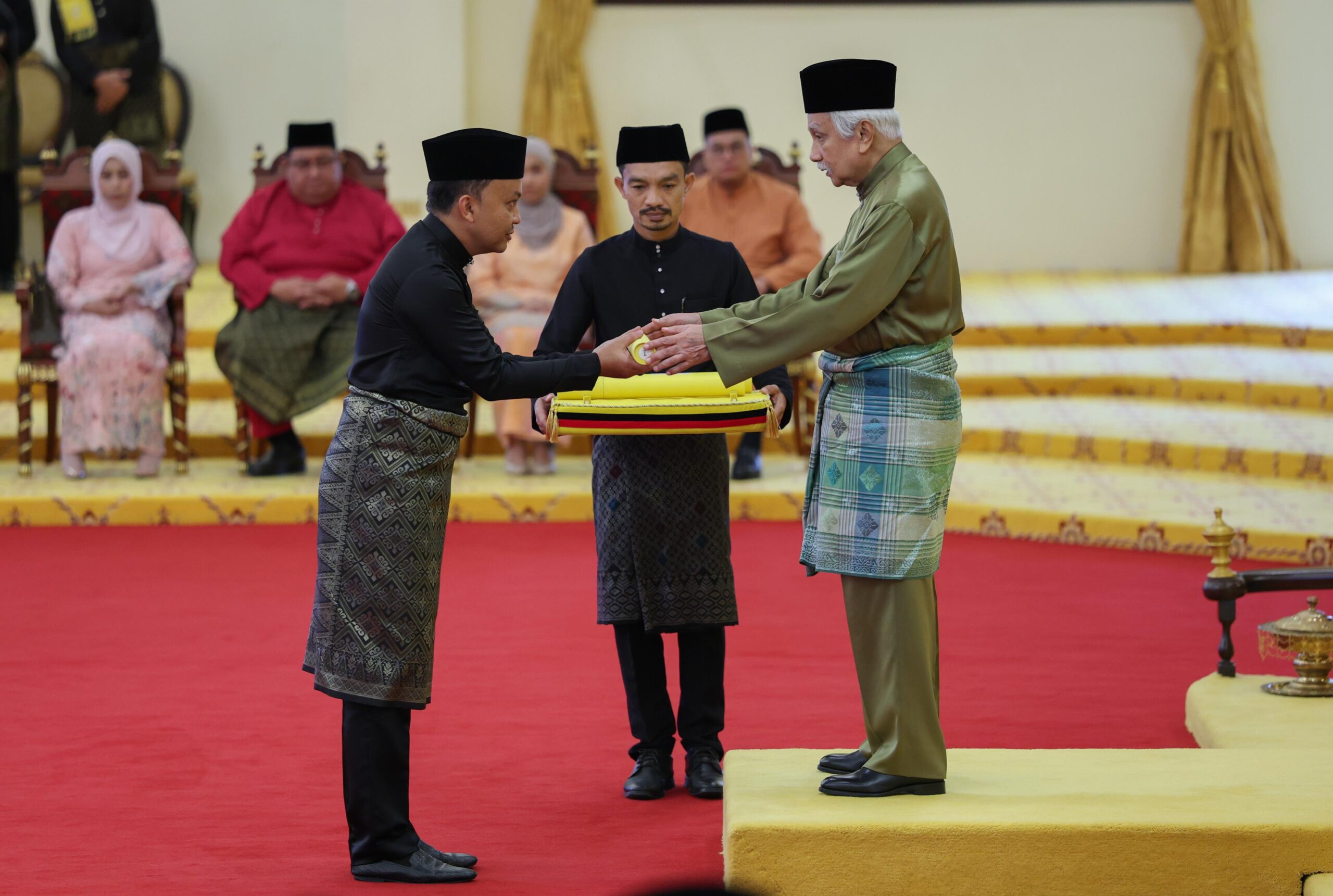
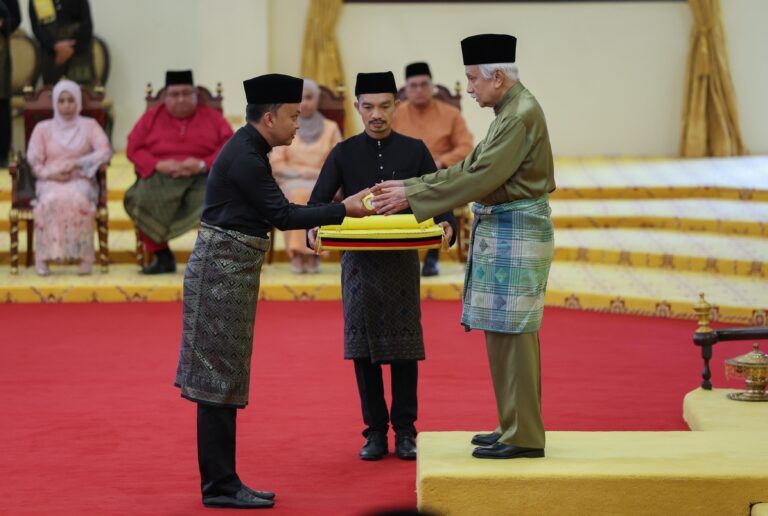
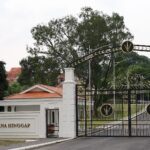
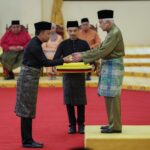
KUALA PILAH, 27 November 2026 — Six new members of the Negeri Sembilan State Executive Council were sworn in today before the Yang di-Pertuan Besar, Tuanku Muhriz Tuanku Munawir, at Istana Besar Seri Menanti, as Datuk Ismail Lasim remains Menteri Besar after more than two months without a full state cabinet.
Ismail announced the appointments, which Tuanku Muhriz had approved, at the ceremony in Kuala Pilah. Four of the new councillors are from Barisan Nasional and two from Perikatan Nasional.
The three Umno assemblymen are Suhaimi Aini (Kota), Mohamad Qayyum Abd Jalil (Senaling) and Datuk Mohd Zaidy Abdul Kadir (Jeram Padang). The fourth Barisan seat goes to the MCA assemblyman for Repah, Koh Kim Swee. They are joined by Ridzuan Ahmad, the Wawasan assemblyman for Gemas, and Abdul Fatah Zakaria, the PAS assemblyman for Bagan Pinang.
The Tunku Ampuan Besar, Tuanku Aishah Rohani Tengku Besar Mahmud, also attended, as did the couple’s sons, the Tunku Besar Seri Menanti, Tunku Ali Redhauddin Tuanku Muhriz, and the Tunku Panglima Besar, Tunku Zain Al-‘Abidin Tuanku Muhriz. Sinar Harian reported that the Undang of Luak Sungei Ujong, Luak Rembau and Luak Jelebu were present, together with Barisan assemblymen including Datuk Seri Jalaluddin Alias (Pertang) and assemblymen from Pakatan Harapan.
Berita Harian reported that Ismail congratulated the six on their appointments and expressed his gratitude to Tuanku Muhriz for consenting to them. None of the first reports after the ceremony set out the portfolios each councillor will hold. The new council has six members, four fewer than the line-up dismissed in September, so the division of responsibilities is likely to be watched closely once it is announced.
A cabinet empty since 20 September
The swearing-in ends a vacancy that began on 20 September, when Tuanku Muhriz revoked the appointments of all 10 previous executive councillors. The palace said they had breached their oaths of office. According to a gazette later published by the state, the 10 had taken their oaths before the ruler on 7 August, then, on 15 September, backed a proclamation naming Tunku Nadzaruddin Tuanku Ja’afar as Yang di-Pertuan Besar in place of Tuanku Muhriz. The New Straits Times described the move as a declaration seeking the ruler’s removal. The gazette cited Article XXXVIII(5) of the Laws of the Constitution of Negeri Sembilan, under which, the palace said, executive councillors other than the Menteri Besar hold office at the ruler’s pleasure.
The cancelled appointments, later gazetted, were Datuk Mohd Faizal Ramli (Linggi), Datuk Zaifulbahri Idris (Chembong), Datuk Mustapha Nagoor (Palong), Datuk Mohd Asna Amin (Lenggeng), Datuk Mohd Razi Mohd Ali (Sungai Lui), Siti Nur Umaira Hasim (Labu), Siow Kong Choon (Chennah) and Suhaimizan Bizar (Gemencheh) from Barisan, and Mohd Fairuz Mohd Isa (Serting) and Datuk Razali Abu Samah (Sikamat) from Perikatan.
The state had been without an Executive Council meeting for 68 days by today’s ceremony. On 20 November, Ismail said the absence of a council was holding up the administration, because many decisions could not be taken without a meeting of the Majlis Mesyuarat Kerajaan Negeri. Outstanding business includes a sitting of the State Legislative Assembly and the tabling of the Negeri Sembilan Budget 2027.
The palace settles the question of the Menteri Besar
Barisan won 18 of the 36 seats in the August state election, with Perikatan taking seven, and was given the mandate to form the government. The original 10 councillors were sworn in on 7 August. The rupture that followed left Ismail as the only remaining member of the executive, and raised an open question over whether he would stay as Menteri Besar.
That question was effectively answered today. Yesterday, after an audience with Tuanku Muhriz, the Umno president, Datuk Seri Dr Ahmad Zahid Hamidi, said the party would leave it to the palace to announce the outcome of their discussions on the Menteri Besar’s position and the executive council appointments. The palace’s decision, carried through in this morning’s ceremony, is that Ismail remains in office and that a smaller, newly composed council will now serve with him.
All six of today’s appointees are new to the state cabinet: none was among the 10 whose appointments were revoked in September. With the oaths taken, the government can in principle convene an Executive Council again and return to the business that has been delayed since the crisis began. The allocation of portfolios, and how a six-member council will cover work previously spread among 10, has not yet been set out.
About The Author




 Mohd Redzuan Mat Zin
 opinions

 Bard AI
 Azrul Rizal
 Mohd Nazhrieyan Jailani
 Lee AI

 Professor Dato’ Dr. Ahmad Ibrahim


 Laura AI
 Anna J