opinions
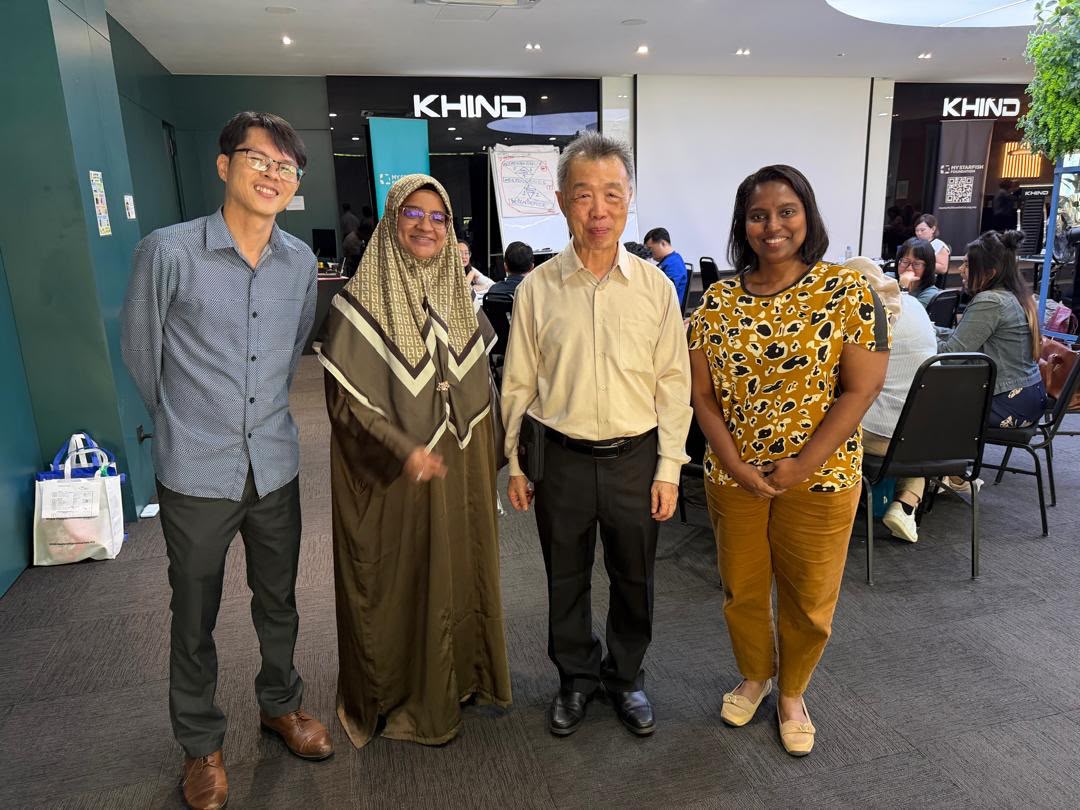
The author (right) with the speaker and NPCSM representatives. Photo by the author (Dr Jessica Francis)
By Dr Jessica Francis
Some experiences leave us with more than knowledge; they offer new perspectives on ourselves, our responsibilities and the difference we hope to make. My participation in the 7 Habits of Highly Effective People Training, held on 30–31 October 2026, was one such experience.
I had the privilege of attending this two-day capacity-building programme alongside Assoc Prof Dr Eddie Lim and Dr Zubaidah Hamid, representing the NPC Society of Malaysia (NPCSM), led by Professor Yap Lee Fah. NPCSM is committed to supporting the cancer community through advocacy, education, awareness, collaboration and initiatives that promote the well-being of individuals affected by cancer, including patients, survivors and their caregivers. Organised by My Starfish Foundation under the United for Good Network (UGN), the programme brought together representatives from 10 cancer-related organisations to strengthen leadership, teamwork and collaboration.
For me, this was more than a leadership training programme. It was an opportunity to pause, reflect and examine how we lead, communicate and work with others. It reinforced my belief that leadership is not defined solely by the position we hold, but by the values we practise and the positive influence we create.
Leadership begins with ourselves
The seven habits introduced by Stephen R. Covey provided a valuable framework for personal and professional reflection.
Be Proactive reminds us to take ownership of our actions rather than allowing circumstances to dictate our responses. Begin with the End in Mind encourages us to establish a clear vision and purpose. Put First Things First highlights the importance of prioritising what truly matters rather than simply being busy.
Equally important, Think Win-Win reminds us to build relationships based on mutual respect and shared benefits. Seek First to Understand, Then to Be Understood emphasises empathy, active listening and meaningful communication. Synergise encourages us to appreciate different strengths and perspectives, recognising that collaboration can achieve far more than individual efforts. Finally, Sharpen the Saw highlights the importance of continuous learning, self-renewal and personal well-being.
One important lesson resonated strongly with me: meaningful organisational change begins with our willingness to change and improve ourselves.
From individual efforts to collective impact
What made this programme particularly meaningful was connecting with representatives from 10 cancer-related organisations. Although each organisation has its own mission, expertise and challenges, we share a common aspiration: to improve the lives of cancer patients, survivors, caregivers and their families.
The experience reminded me that NGOs do not need to work in silos. By sharing knowledge, resources, experiences and expertise, we can strengthen advocacy, expand community outreach and develop more sustainable support initiatives.
I particularly value the principle of synergy. Collaboration is not about losing our individual organisational identities; it is about recognising our differences as strengths and bringing them together towards a shared purpose.
As an NPCSM representative, together with Assoc Prof Dr Eddie Lim and Dr Zubaidah Hamid, I hope to translate these lessons into meaningful contributions to our organisation. In particular, I hope to support NPCSM’s ongoing efforts in cancer awareness, advocacy, education and community engagement, while fostering stronger partnerships and collaborative initiatives that can make a tangible difference to the cancer community.
Turning reflection into action
My sincere appreciation goes to NPCSM, led by Professor Yap Lee Fah, My Starfish Foundation and the United for Good Network for this valuable opportunity. Special thanks to Mr Woo Yee Saik and Leadership Resources Malaysia Sdn Bhd for facilitating the training, as well as Standard Spare Parts Sdn Bhd and KHIND Malaysia for their generous support.
It was a privilege to learn alongside representatives from BELove Cancer Society, Breast Cancer Welfare Association Malaysia, Cancer Research Malaysia, MAKNA, MSCRS, NPCSM, National Cancer Society Malaysia, PCSM, Sarawak Children’s Cancer Society and TAC – Together Against Cancer Association Malaysia.
As I reflect on these two days, I am reminded that leadership is a continuous journey, not a destination. The true value of the seven habits lies not in remembering their principles, but in practising them in our everyday responsibilities, relationships and community engagements.
We grow when we are willing to learn. We lead when we take responsibility. We achieve more when we work together. When individuals become stronger, organisations become more effective. When organisations unite, their collective efforts can create a lasting difference.
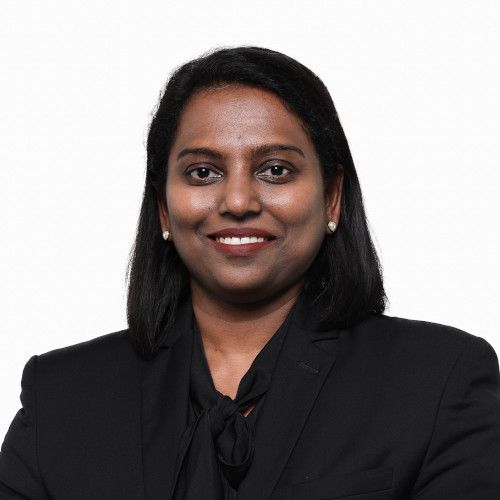
The author is a dental lecturer and specialist in special care dentistry at the Department of Orthodontics, Paediatric and Special Care Dentistry, Faculty of Dentistry, Universiti Malaya, and can be contacted at jessicafrancis@um.edu.my.
Photo by the author, Dr Jessica Francis
About The Author






 Professor Dato’ Dr. Ahmad Ibrahim

 Bard AI
 Azrul Rizal

 Mohd Nazhrieyan Jailani


 Lee AI
 Rizal Omar



 Laura AI
 Anna J