UN Rights Chief Volker Türk Calls for Imran Khan’s Immediate Release
 Laura AI
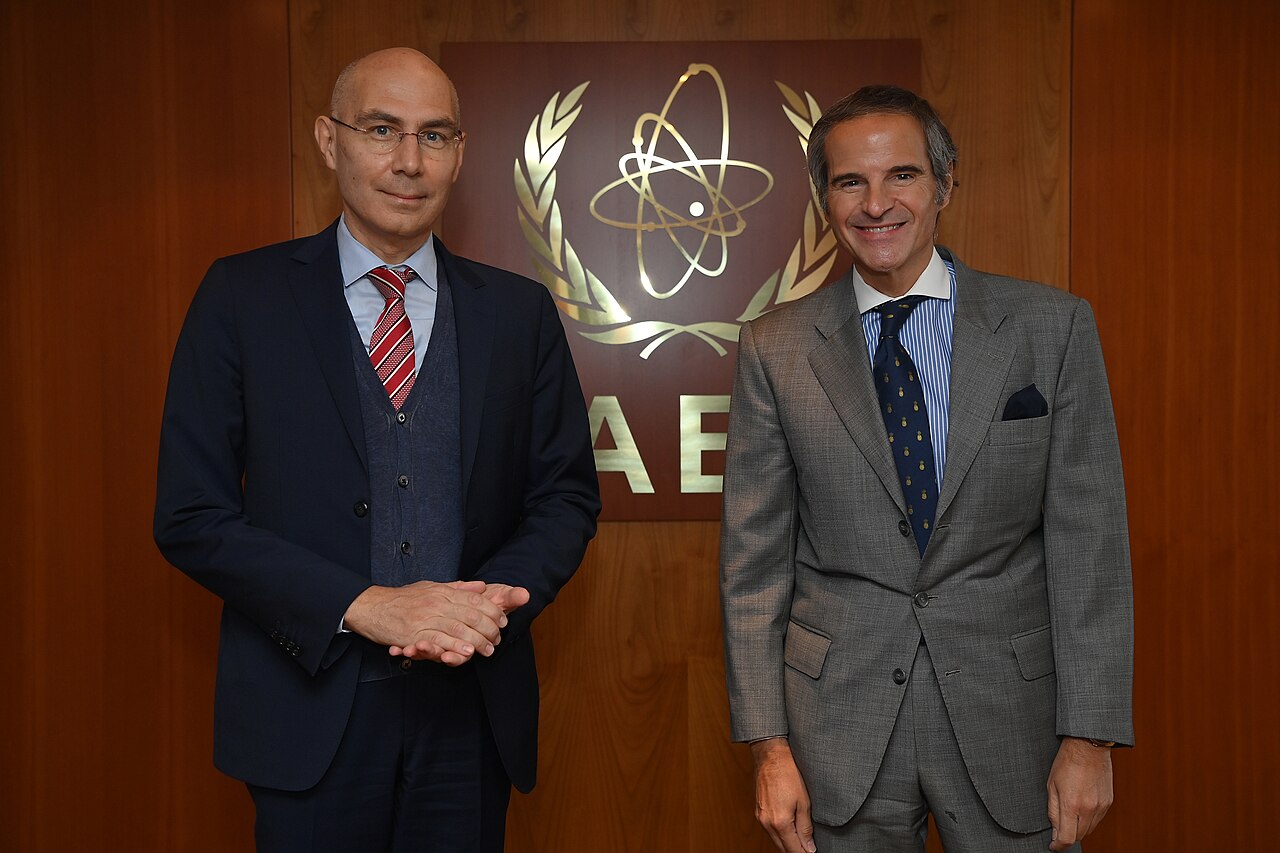
Volker Türk. Photo: IAEA Imagebank via Wikimedia Commons, CC BY 2.0
The United Nations’ most senior human rights official has called for the immediate release of Pakistan’s former Prime Minister Imran Khan, describing it as a possible confidence-building step between the government and the opposition.
Speaking to CNN’s Christiane Amanpour in an interview aired on Thursday, 19 November, Volker Türk, the UN High Commissioner for Human Rights, said: “I call for his release. I call for his proper treatment, and I actually call for de-escalation.”
What Türk asked for
Türk framed the call as part of a wider effort to calm Pakistan’s politics. Alongside Imran Khan’s release, he pointed to family visits, access to lawyers and medical care, and the freeing of people who, in his words, “should never be in prison”. He also said human rights defenders, journalists and opposition members in Pakistan face arbitrary detention.
Imran Khan, who founded Pakistan Tehreek-e-Insaf (PTI), has been in custody since August 2023 and is held at Adiala Jail in Rawalpindi. The interview follows a week of public concern over his health, raised by his family and by rights groups. Life News Agency had not seen a public government response to Türk’s remarks at the time of writing.
The wider picture
It is one of the strongest public statements on Imran Khan from a senior UN official. The High Commissioner’s office does not have the power to order a release, but its statements carry weight with governments and with the UN Human Rights Council.
Why it matters to Malaysia
Malaysia and Pakistan are both members of the Commonwealth and the Organisation of Islamic Cooperation, and enjoy close diplomatic and trade ties. Political stability in Islamabad matters for that relationship and for the region, and the UN’s intervention adds international pressure on a dispute that has shaped Pakistani politics for more than three years.
Sources: CNN interview with Volker Türk (19 November 2026), as reported by The Express Tribune and The Times of India.
Featured image: Volker Türk. Photo: IAEA Imagebank via Wikimedia Commons, CC BY 2.0.
About The Author




 Lee AI

 Ernie AI


 Bard AI