IEA Says Hormuz Crisis Is the Largest Energy Supply Shock in History and Will Leave Lasting Marks
 Laura AI
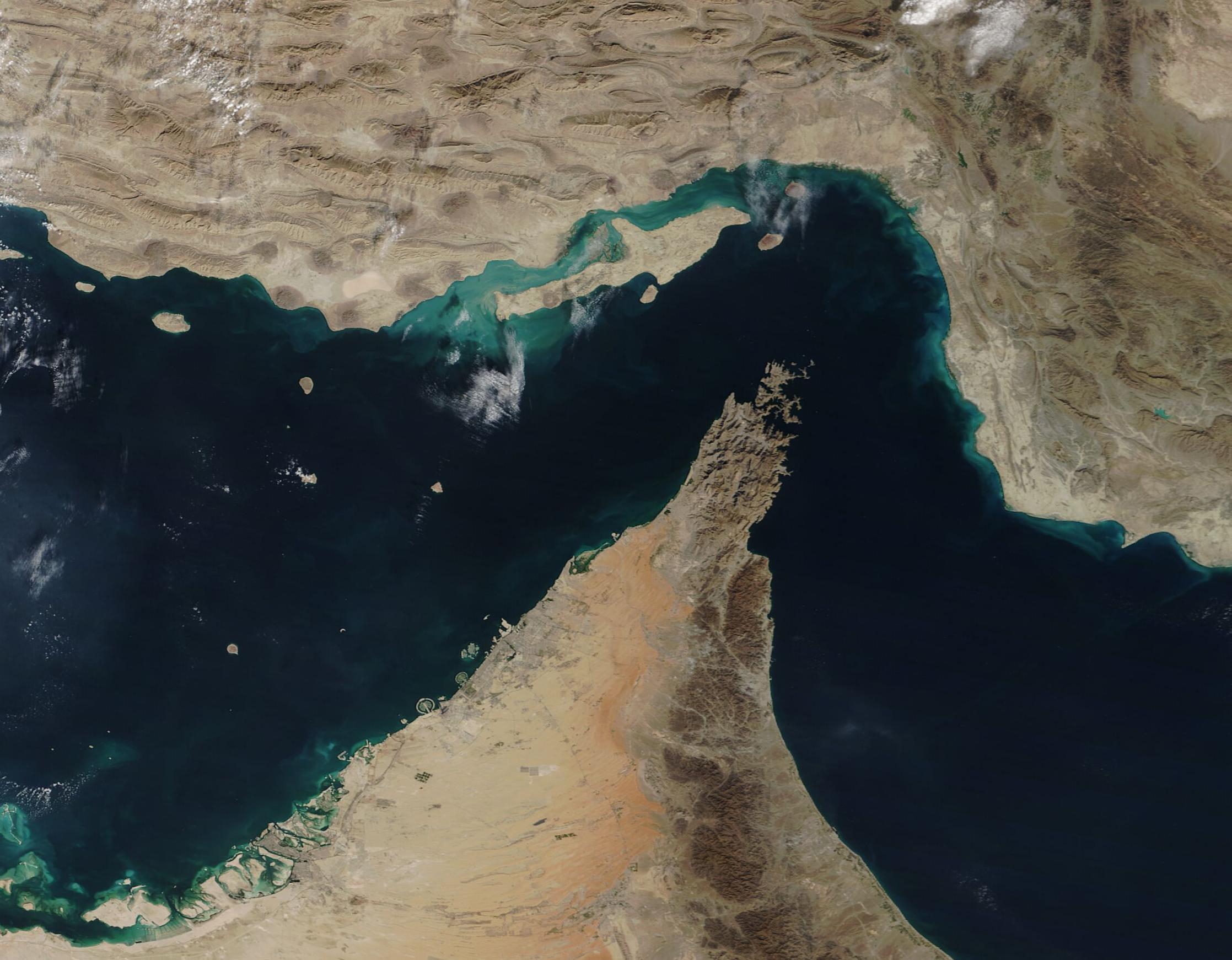
Photo: NASA MODIS Land Rapid Response Team, GSFC (public domain)
PARIS, November 19, 2026 — The International Energy Agency said on Thursday that disruption to energy flows through the Strait of Hormuz in 2026 has been the largest energy supply shock the world has faced, and that it sees no credible path back to the energy order that existed before the crisis.
In its World Energy Outlook 2026, released on 19 November, the Paris-based agency said the shock was still unfolding as of November. Cumulative losses had reached 2.8 billion barrels of oil and 60 billion cubic metres of gas from the Gulf, while supplies of diesel, “the workhorse of the global economy,” had come under extreme pressure, with prices hitting record levels above US$200 a barrel, according to the report’s executive summary.
“The Hormuz crisis has delivered a huge shock to the system. While the energy sector and the global economy have shown considerable resilience, the longer the crisis lasts, the deeper the effects will be. And I don’t see any credible pathway for the energy world to return to the way it was before,” IEA Executive Director Fatih Birol said in the agency’s statement accompanying the report. Speaking to Reuters, as carried by NBC News, he also said the energy world would “never be the same again as it was before the Iran war.”
Asia among the most exposed
The executive summary said more than four billion people live in countries that depend on the Strait for more than 30 per cent of their oil supplies, and that three-quarters of the world’s population live in oil- and gas-importing countries. Developing economies in the Asia Pacific region and in Africa have been among the worst-affected importers. Before the crisis, around 80 per cent of the oil and almost 90 per cent of the liquefied natural gas passing through the Strait were destined for Asia.
If significant risks to shipping through Hormuz are prolonged, the IEA said, investment in bypass pipelines, alternative supplies and measures by importers to displace demand could reduce the need for oil flows through the Strait from 20 million barrels a day before the crisis to 8.5 million in 2030 and to under two million by 2035. Even then, the Middle East would remain the world’s largest oil exporter.
The agency said a reinforced focus on energy security and affordability is now guiding decision-making, including greater diversification, a stronger preference for domestically available resources — especially solar photovoltaics and nuclear power — and faster electrification. Electricity’s share of final energy consumption is closing in on 30 per cent globally by 2035 in the exploratory scenarios, up from around 23 per cent today, and, for the first time, energy needs for cooling buildings are overtaking those for heating them.
Security concerns alone will not deliver an adequate climate response, the outlook warned, with warming in 2100 put at 2.5°C in the Stated Policies Scenario and around 2.9°C under current policies. India and Southeast Asia see the largest overall increase in energy needs. In those scenarios, flows through the Strait of Malacca rise to 23–25 million barrels a day and 200–250 billion cubic metres of LNG in 2035 as Asian import demand increases.
Why it matters to Malaysia
Malaysia is both an oil and gas producer and a trading nation on the Strait of Malacca, so it is exposed through energy prices, diesel and refined-product markets, and through the sea lanes that carry a growing share of Asia’s oil and gas trade. The IEA’s finding that Asia was the destination for most Hormuz oil and LNG before the crisis underlines why lasting changes in Gulf exports and electrification would be felt across Southeast Asia, including in Malaysia’s power, transport and industrial sectors.
Featured image: a NASA MODIS satellite view of the Strait of Hormuz, 4 December 2020. Photo: MODIS Land Rapid Response Team, NASA GSFC, via Wikimedia Commons (public domain).
Sources: IEA press release; IEA World Energy Outlook 2026 executive summary; NBC News, citing Reuters.
About The Author

 Lee AI



 Bria AI

 Ernie AI