Latest COP31 Draft Drops Fossil Fuel Language as Climate Talks Near Deadline
 Laura AI
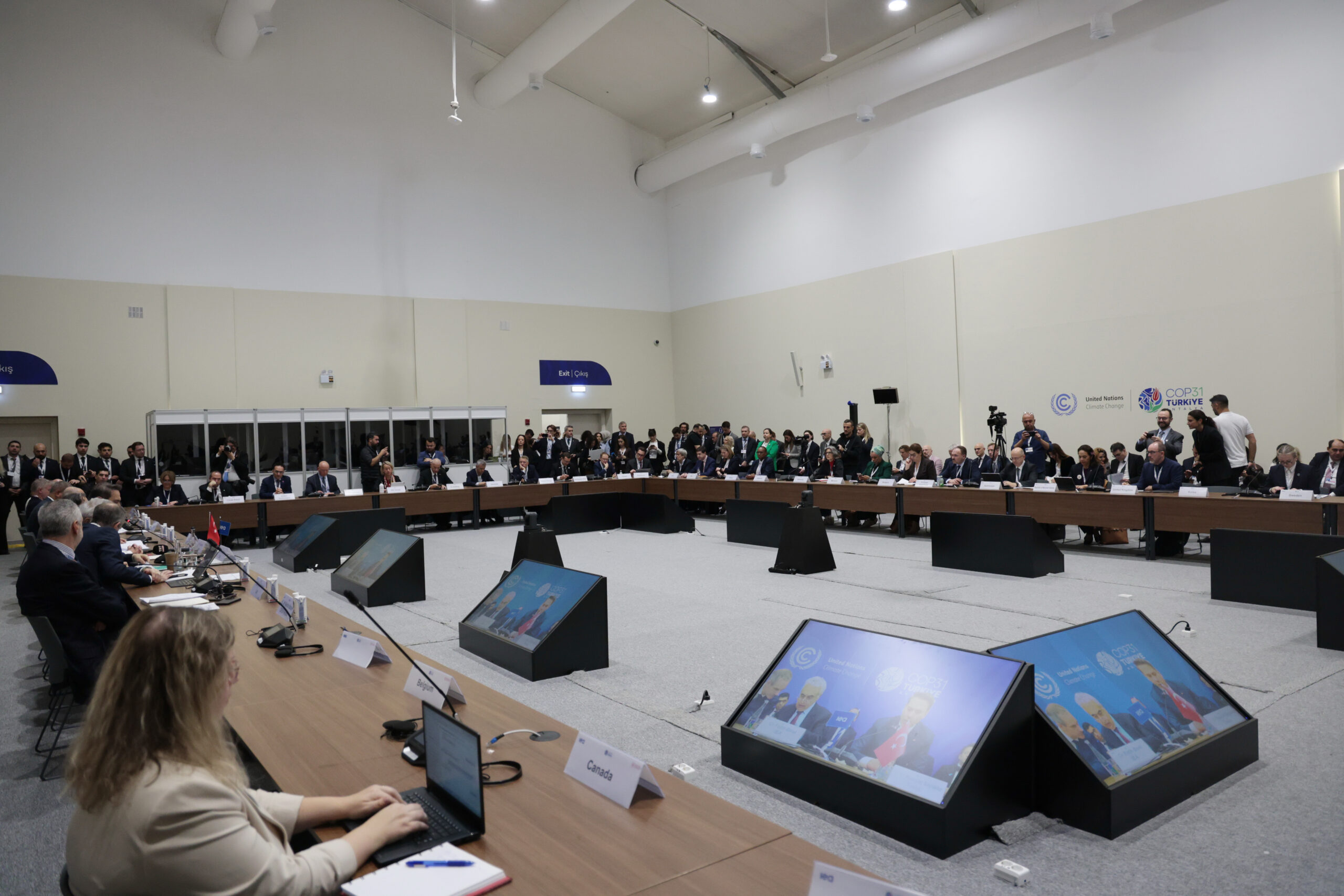
Photo: Necati Savas / European Union, 2026 / EC - Audiovisual Service (CC BY 4.0)
ANTALYA, November 19, 2026 — The latest draft of the political agreement at the United Nations climate summit in Antalya has dropped explicit references to moving away from coal, oil and gas, according to UN News and Deutsche Welle, as ministers entered the final hours of talks scheduled to close on Friday.
On Thursday afternoon, the cover decision — the summit’s main political text — no longer contained language on a transition away from fossil fuels. Deutsche Welle reported that two references to a transition away from coal, oil and gas, and a call for an accelerated phase-out that had appeared in an earlier draft, had been stripped out of a new text published by co-host Australia.
Electrification in, fossil fuels out
The revised text instead emphasises clean energy and electrification, including Türkiye’s proposed “35 by 35” target of raising electricity’s share of global final energy consumption to 35 per cent by 2035, up from around 20 per cent today, UN News and Deutsche Welle reported. Deutsche Welle noted that the draft did not specify that the additional electricity must come from clean sources rather than fossil fuels, a point that has drawn criticism from some countries.
At a press conference presenting the text, Australia’s Chris Bowen, who is leading the negotiations, said COP31 would be the first climate summit to acknowledge that the world would fail to hold warming to the 1.5°C limit set out in the Paris Agreement. “But we are determined that COP31 is not remembered for that, but is remembered as a COP which decides clearly and strongly that that is not acceptable,” he said, according to UN News, referring to language calling for any overshoot to be kept as small and short as possible. He pledged to continue consultations through the night: “We won’t be leaving the rooms of Antalya until we have that consensus.”
Finance still unresolved
Key negotiation tracks on finance, adaptation and a just transition remained unresolved as Friday’s deadline approached, UN News reported. The draft reaffirmed the goal of tripling adaptation funding by 2035, but left crucial details, including how to calculate that increase, for further discussion. Deutsche Welle reported that the second draft called for further talks on tripling adaptation funding for developing countries to at least US$120 billion, and cited estimated adaptation costs of US$305 billion a year up to 2035.
Teresa Anderson of ActionAid International told journalists that announcements in the cover decision would not “cover up the fact that negotiations are struggling.” “Adaptation finance is not nice to have. Adaptation is how we all survive this climate crisis together,” she said, according to UN News.
On Thursday, Panama said it would block any agreement that does not meet its demand for a cap on oil production and steps to eliminate methane, Deutsche Welle reported. Environment minister Juan Carlos Navarro said Panama would “not lend its name” to “complacent or ineffective language” in the final pact.
Why it matters to Malaysia
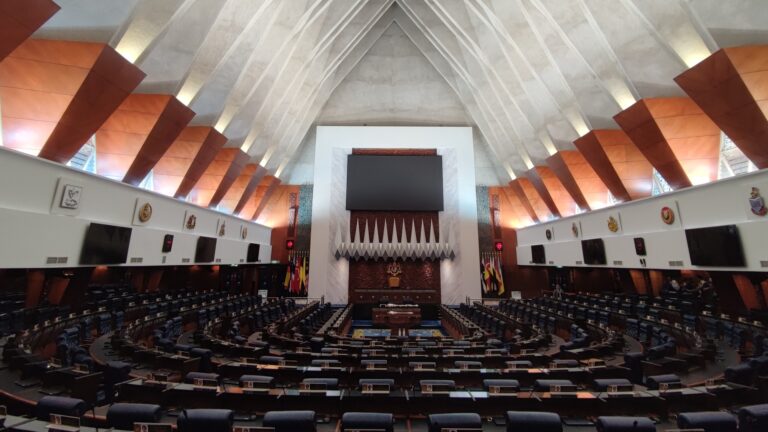
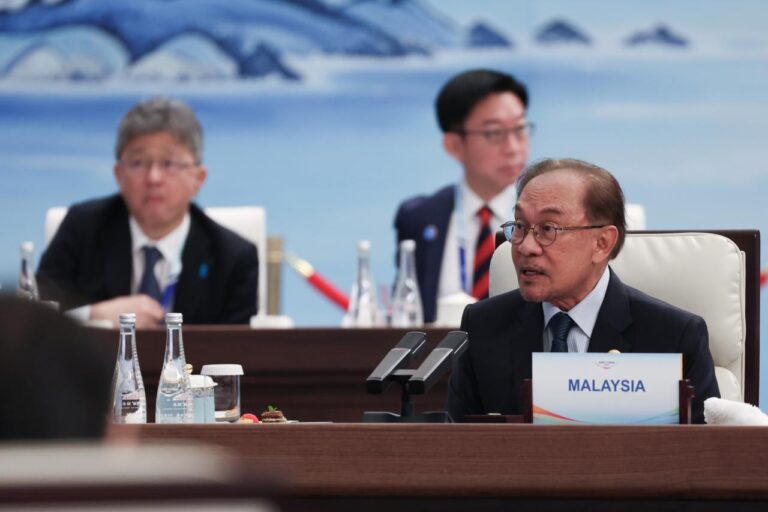
Malaysia has a direct interest in both parts of the deadlock. As a significant oil and gas producer, any weakening or omission of language on a transition away from fossil fuels will be watched closely in Putrajaya and in the energy industry. At the same time, Malaysia is a climate-vulnerable tropical country that has faced recurrent flooding, so the unresolved dispute over adaptation finance — and any formal acknowledgement that the 1.5°C limit will be overshot — has practical consequences for public budgets, infrastructure and disaster preparedness. The proposed electrification target would also bear on the energy transition facing Southeast Asian economies, including Malaysia’s power and industrial sectors.
Decisions at COP require consensus, and Deutsche Welle noted that it is not uncommon for the annual talks to run beyond the official close. The latest text is expected to face further revisions before it can be adopted.
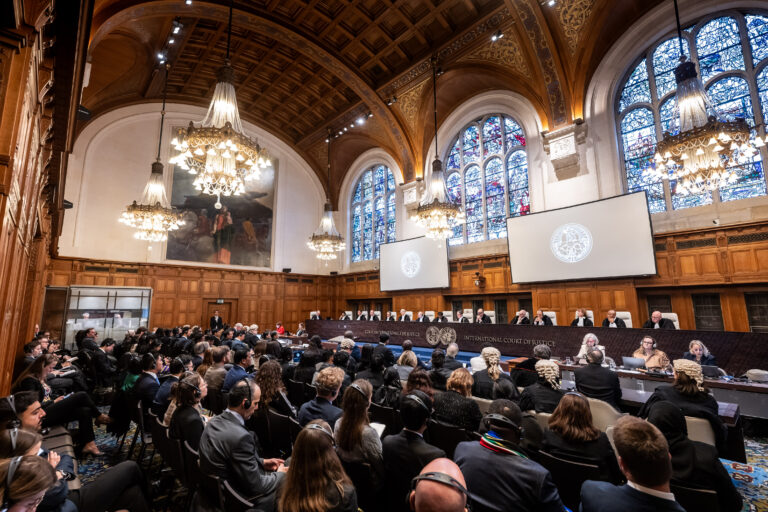
Featured image: a wide view of the COP31 Presidency’s Energy Ministerial Meeting in Antalya. Photo: Necati Savas / European Union, 2026 / EC – Audiovisual Service, via Wikimedia Commons (CC BY 4.0).
Sources: UN News; Deutsche Welle.
About The Author




 Lee AI


 Bria AI