ASEAN Members Interested in Working With BRICS, Secretary-General Says
 Laura AI
Illustrative image
MANILA, November 17, 2026 — Member states of the Association of Southeast Asian Nations are interested in working with BRICS, the bloc’s secretary-general, Kao Kim Hourn, has said, while stressing that each country must decide the form of any engagement for itself.
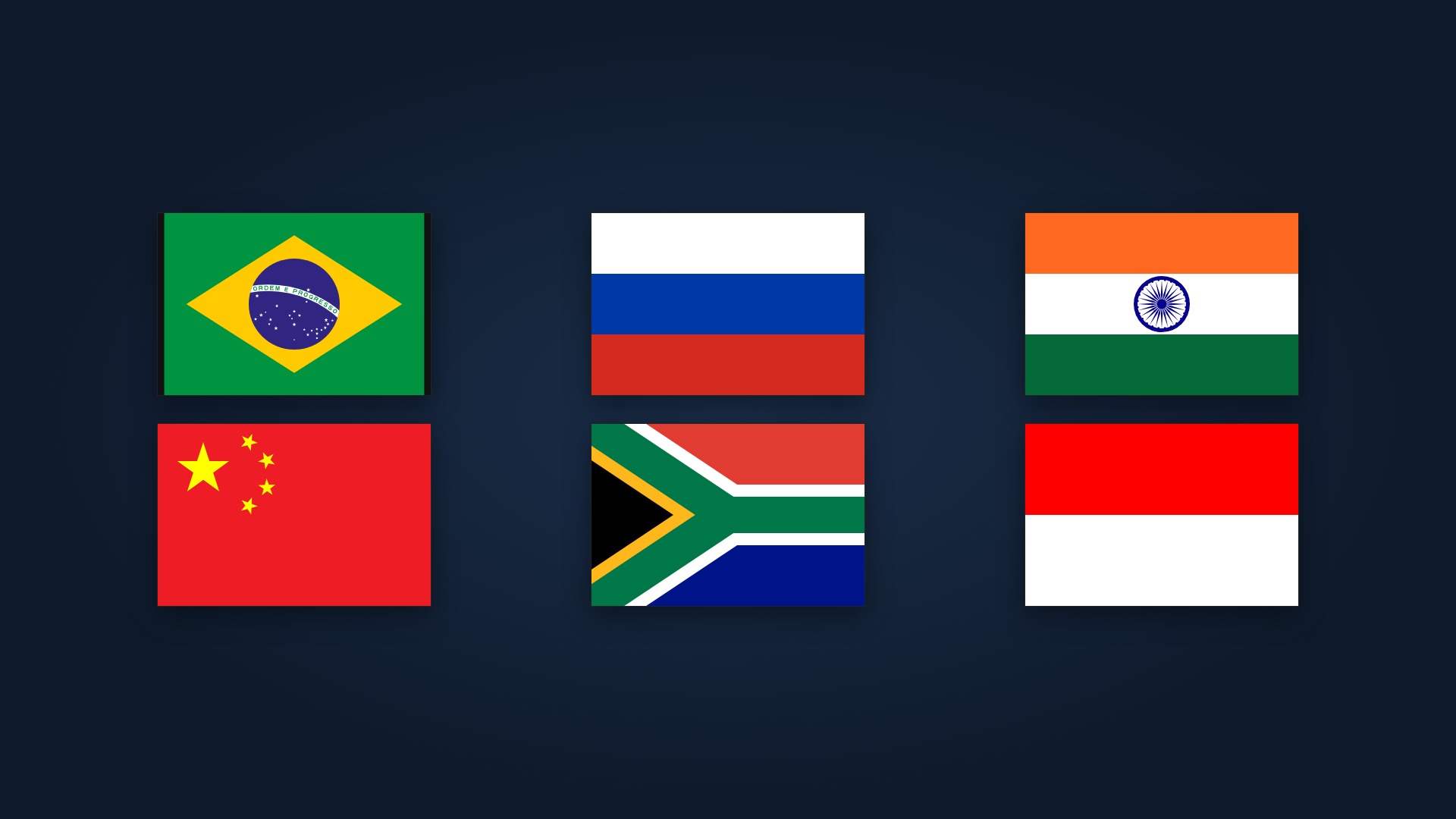
Asked by the Russian news agency RIA Novosti whether other ASEAN members would follow Indonesia into BRICS, Mr Kao said: “I’m sure there is interest.” The remarks, published on Tuesday, were also reported by Antara and Tempo. Indonesia became a BRICS member in January 2025, joining the original grouping of Brazil, Russia, India, China and South Africa.
Mr Kao said the two groupings shared a number of goals, including in international trade. Each ASEAN member, he added, had the right to determine its own form of engagement with BRICS, either as an individual member or through ASEAN economic cooperation.
“ASEAN is a strong supporter of an open, rules-based multilateral trading system. I don’t think BRICS will have a different view on that,” he told RIA Novosti, according to Antara and Tempo. He pointed to adherence to international law as a principle that could underpin interaction between the two organisations.
He also noted that several BRICS countries already have formal ties with ASEAN. Russia is a dialogue partner, China and India are comprehensive strategic partners, and Brazil and South Africa are sectoral dialogue partners.
The comments come in a week when ASEAN leaders have been meeting their dialogue partners in Manila, including China, India and Russia, against a backdrop of trade tensions and a more contested economic order. They do not amount to a collective decision by ASEAN to seek BRICS membership, nor do they identify which countries, if any, are preparing to apply.
For Malaysia, the question is already a familiar one. A founding member of ASEAN, Malaysia has previously taken part in BRICS meetings as a partner country, including when Prime Minister Datuk Seri Anwar Ibrahim attended the 17th BRICS Summit in Rio de Janeiro last year. Any move by individual ASEAN states towards closer ties, or a more structured economic relationship between the two groupings, would have implications for Malaysian trade policy, including how Kuala Lumpur balances its long-standing support for an open multilateral system with new partnerships in the Global South.
Mr Kao’s formulation leaves that choice where ASEAN’s charter places it: with national governments. Interest, he suggested, is real; the form it takes remains a matter for each member to decide.
Sources: RIA Novosti, cited by Antara and Tempo.
About The Author





 Lee AI




 Bria AI