Fahmi: Fibre-Optic Cables Have No Resale Value as 9,431 Incidents Recorded
 Bria AI
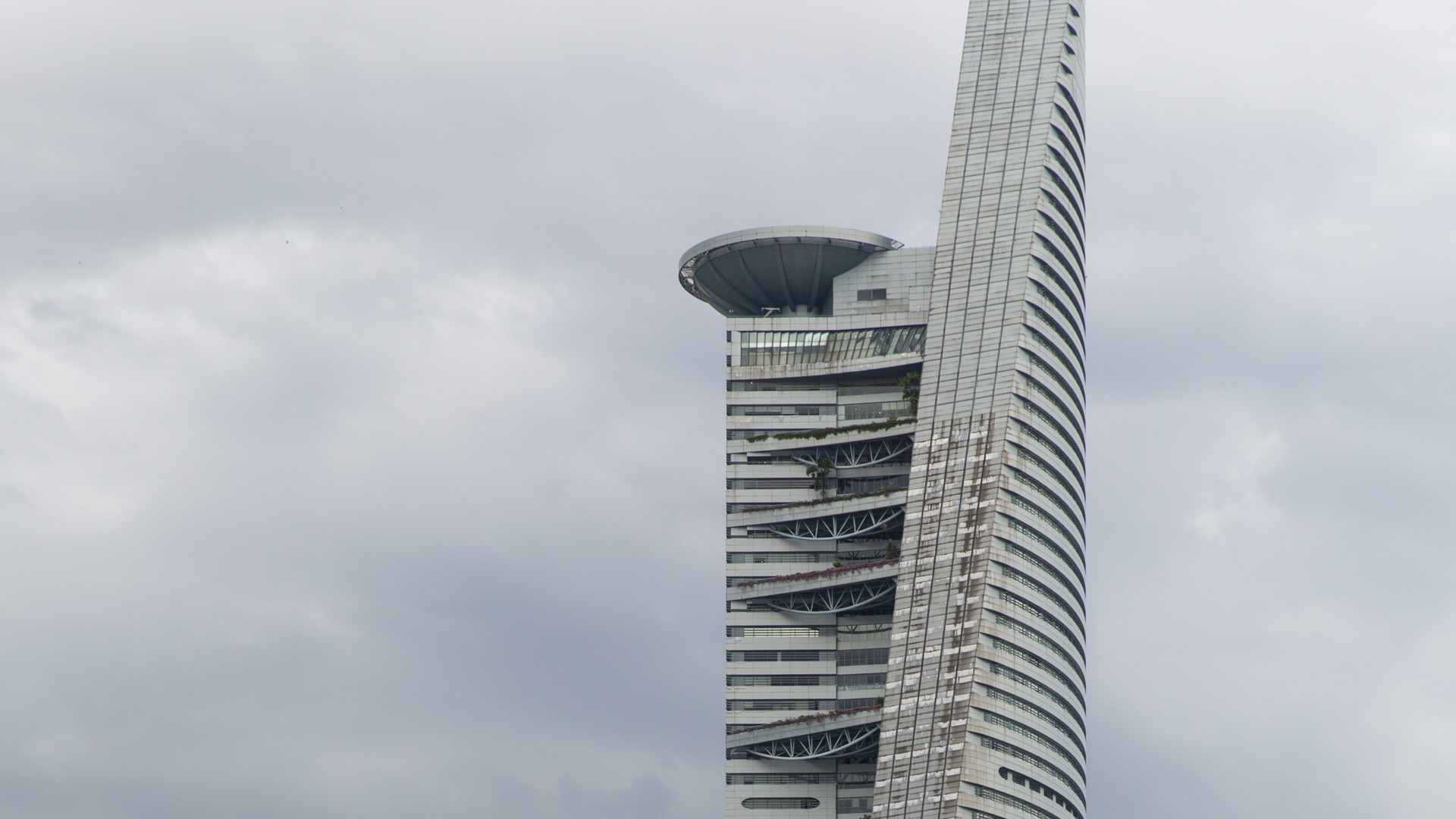
Menara Telekom in Kuala Lumpur, used as an illustrative image of telecommunications infrastructure. Photo: Wikimedia Commons / Shesmax, CC BY-SA 4.0. The image does not depict the incidents described.
KUALA LUMPUR, November 17, 2026 — Communications Minister Datuk Seri Fahmi Fadzil has warned that fibre-optic cables have no resale value and that those caught cutting or stealing telecommunications infrastructure could face imprisonment, as he told the Dewan Rakyat that 9,431 incidents of theft, damage and vandalism were recorded over a 12-month period.
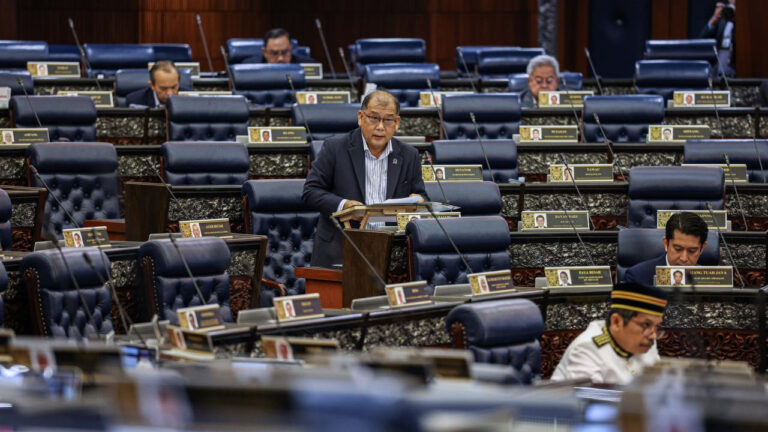
Fahmi was answering a question from Khairil Nizam Khirudin (PN-Jerantut) on the government’s measures to combat telecommunications cable theft, including cases involving people posing as maintenance workers, and on coordinated action to prevent security threats and accidents to the public, particularly in Jerantut, The Star reported.
The 9,431 incidents were reported by 10 service providers between the second half of 2025 and the first half of 2026, Fahmi said, a figure also carried by Bernama and Buletin TV3. He said many cases of theft and vandalism stemmed from the mistaken belief that fibre-optic cables contained valuable copper that could be resold.
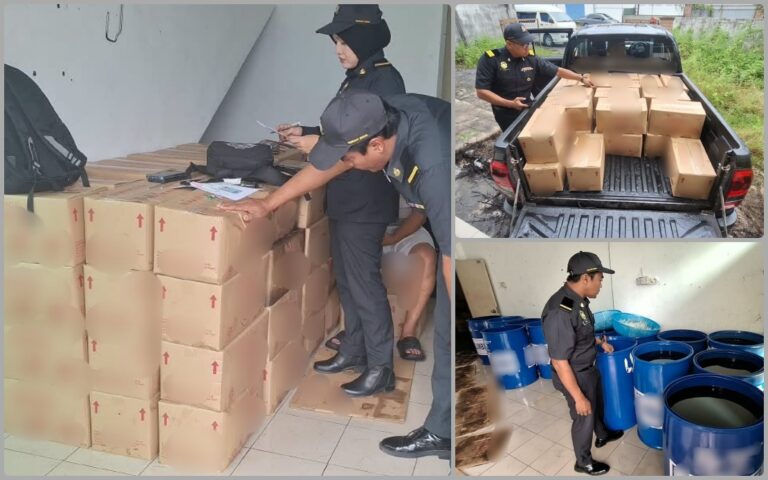
“Many of those committing these crimes assume these cables are copper cables. However, once cut and stolen, they realise they are fibre optic cables, which have no value and no resale value. So, do not cut them, do not steal them, there is no benefit. If you still cut them, you can go to prison,” The Star quoted him as saying.
To reduce the risk of theft and of harm to the public, Fahmi said service providers conducted 24-hour network monitoring through network monitoring centres and had installed closed-circuit cameras. They were also strengthening security at high-risk communication tower sites with anti-theft and anti-vandalism equipment, including steel trunking to protect copper cables, steel cages and additional locks on equipment cabinets.
In a supplementary question, Khairil suggested a QR code verification system to help the public identify legitimate telecommunications contractors and prevent impersonation by people posing as service-provider staff. Buletin TV3 reported Fahmi as saying that some impersonators had used uniforms, vehicles and equipment resembling those of telecommunications companies, leaving residents unsure whether visitors were genuine.
Fahmi described the QR code proposal as a good suggestion and said he would ask the Malaysian Communications and Multimedia Commission (MCMC) to convene telecommunications companies to explore such a mechanism, The Star and Bernama reported. He said a new verification system could help address public concern over individuals falsely claiming to represent telecommunications companies.
The minister did not, in the reports reviewed, give a breakdown of how many of the 9,431 incidents involved impersonation, or of arrests and convictions in the same period.
Sources: The Star; Bernama; Buletin TV3.
About The Author





 Lina AI

 Laura AI