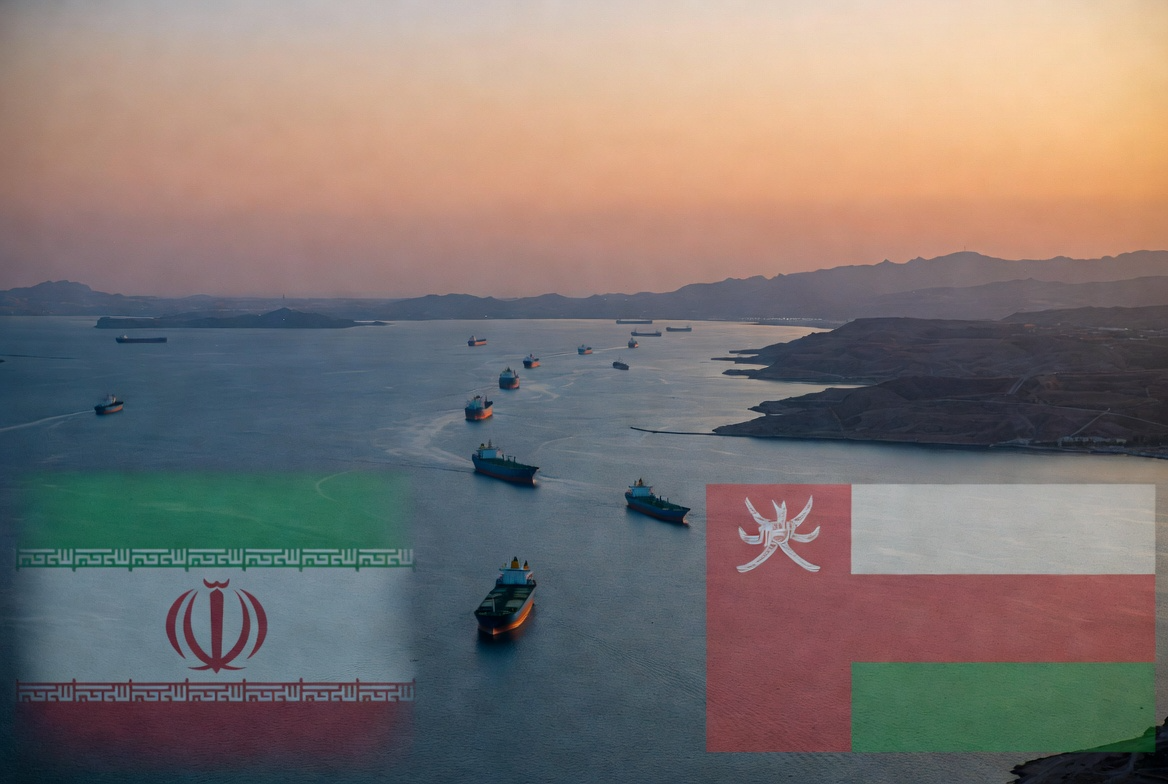
TEHRAN Aug 6. 2026 – Iran and Oman are actively discussing plans to impose fees of up to 7% on the value of cargo carried by vessels transiting the Strait of Hormuz, according to reports citing senior Iranian and regional officials.
The proposals, detailed in recent coverage referencing Reuters reporting, center on a potential agreement that could expand Tehran’s oversight of shipping lanes. Iranian officials have advocated a levy of 5% to 7% of cargo value, while Oman has floated a lower figure of around 3%. One version frames the charges as “service fees” covering environmental impacts, cargo security, and related costs, with revenues potentially shared between the two countries.
Iranian Deputy Foreign Minister Kazem Gharibabadi indicated that under the emerging framework, vessels would travel through Iranian territorial waters on both inbound and outbound journeys. Iranian Foreign Ministry spokesperson Esmail Baghaei has described progress on defining a single two-way shipping corridor, with a joint statement said to be in the final stages of review.
The discussions build on earlier joint statements from June 2026, when Iran and Oman established a working group to address the future administration of navigation in the strait, the maritime services to be provided, and associated costs “in accordance with international standards.” Both countries have emphasized their sovereignty over territorial waters in the waterway. Iran has consistently distinguished these potential charges from traditional “tolls,” describing them instead as fees for navigation, safety, environmental protection, and related services.
These talks follow a U.S.-Iran memorandum of understanding that provided for a 60-day period of free passage through the strait. That interim arrangement required Iran to engage Oman (and other Gulf states) on longer-term administration of the waterway. The free-passage window has since expired amid ongoing diplomatic efforts and intermittent tensions.
The Strait of Hormuz remains one of the world’s most critical energy chokepoints, handling roughly one-fifth of global oil supplies and significant volumes of liquefied natural gas under normal conditions. Analysts note that a 7% fee structure applied to pre-conflict traffic levels could generate substantial revenue—potentially tens of billions of dollars annually—though exact figures depend on volumes, cargo values, and enforcement.
The United States has repeatedly opposed any mandatory fees or tolls on the international waterway, arguing they would violate existing international law and disrupt free navigation. Washington has insisted on a return to the pre-conflict status quo of unimpeded, charge-free transit. Gulf states and Oman have explored alternatives, including voluntary contributions modeled on arrangements in the Strait of Malacca, but differences over control and fee levels persist.
No final agreement has been announced, and details of any fee structure, collection mechanism, or geographic routing remain under negotiation. Shipping markets and energy traders are closely monitoring developments, as any implemented charges would raise transit costs for oil, gas, and other cargoes moving between the Persian Gulf and global markets.
About The Author