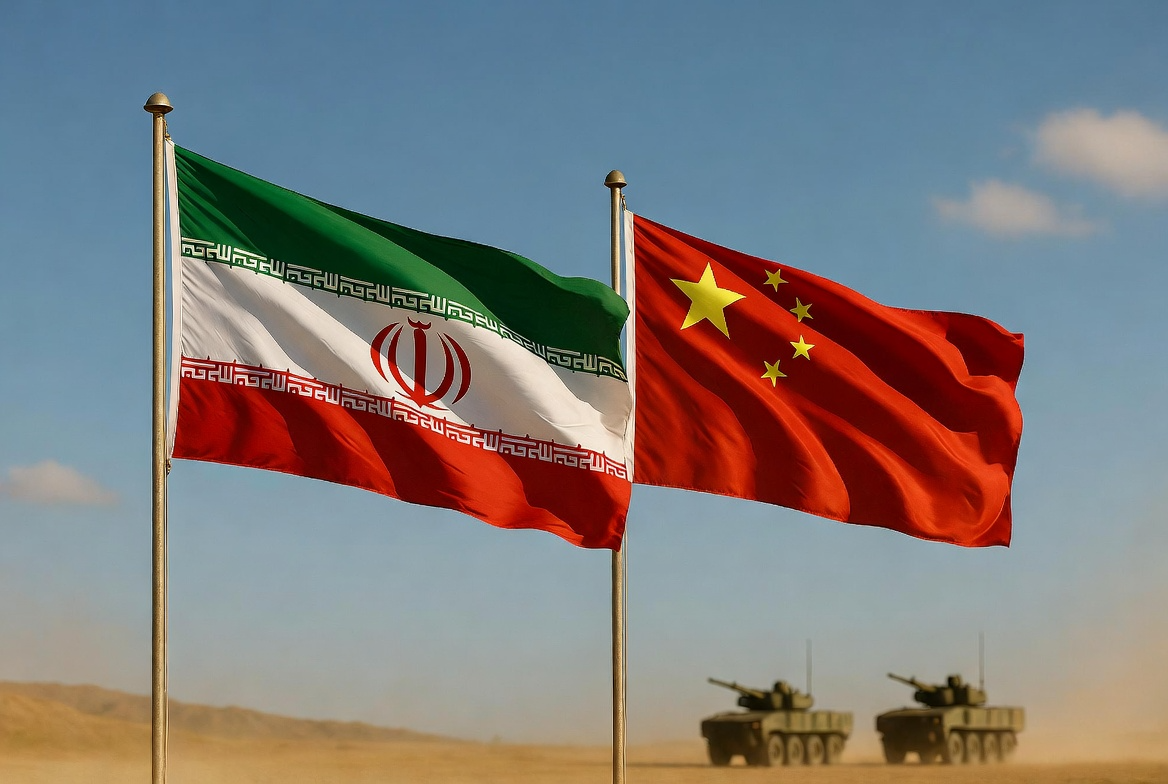
DUBAI/BEIJING, July 29 2026 (based on Reuters exclusive) — Iran is expected to receive within weeks the first shipment of up to 400 Chinese-made shoulder-fired air-defense missile launchers as it works to rebuild its defenses during its ongoing conflict with the United States and Israel, three sources familiar with the deal told Reuters.
The contract, valued at $60–70 million, covers between 300 and 400 man-portable air defense systems (MANPADS), specifically Chinese QW-12 and FN-16 missiles. The deal was signed with Zhongqing Baoshang International Investment, a Hong Kong-based firm acting as an intermediary between Iranian buyers and the Chinese supplier.
Sources said deliveries will initially move by air from Urumqi in western China before transiting through Pakistan to Iran, though exact methods (air or road) for the final leg remain unclear. They cautioned that schedules, quantities, and other details could still change.
The QW-12 and FN-16 are infrared-guided, shoulder-fired systems designed to target low-flying aircraft, helicopters, and drones. Their portability allows rapid deployment around military sites, energy facilities, and other sensitive infrastructure. Defense analysts note the QW-12 is less advanced than newer Chinese variants but still offers useful short-range protection.
This purchase ranks among Tehran’s largest known efforts to bolster short-range air defenses since the war began. U.S. and Israeli strikes have exposed vulnerabilities in protecting fixed military and strategic sites, while Iran has responded with ballistic missiles and drones. A temporary suspension of U.S. bombardment occurred over the weekend, but the conflict remains unresolved.
China’s Foreign Ministry dismissed the reports as “completely groundless,” stating that Beijing “has consistently played a role in promoting peace and ending the conflict.” Pakistan’s military public relations wing, ISPR, also rejected any involvement, calling claims of its role in the transfers “absolutely concocted and false.” Iran’s foreign ministry did not immediately respond to requests for comment.
The agreement underscores deepening military ties between China and Iran despite international sanctions. Iran continues to rely on a mix of domestic production and foreign suppliers to rearm after months of fighting.
About The Author