By Professor Dato Dr Ahmad Ibrahim
The distant rumble of a U.S.-Iran conflict might seem irrelevant to a palm oil smallholder in Johor or a driver in Kuala Lumpur. But war in the Strait of Hormuz sends shockwaves through global oil supply chains. The world is already feeling the pain of a big hike in oil price. Countries which rely significantly on the Gulf sources are reeling from the shortage. For Malaysia, that shock is seen as a long-overdue wake-up call. Suddenly, our perennial talk about biofuel isn’t just environmental rhetoric—it’s a strategic necessity.
Here’s the uncomfortable truth: Malaysia was the first to experiment with palm biodiesel. Researchers at the MPOB in the early 90s already came out with the technicalities, including enacting the Biodiesel Act, to support the commercialisation of palm diesel. But, while we have been content with a 10% palm biodiesel blend (B10) for years, our neighbor Indonesia is already racing toward B50 and talking about B100. Why the gap? Because Jakarta has felt the pain of fuel shortages. Malaysia, so far, has only felt a minor pinch in diesel availability. But as experts warn, diesel isn’t like petrol—it’s the lifeblood of lorries, factories, and farms. Squeeze diesel, and the entire economy coughs.
The government’s renewed push to ramp up biofuel production is welcome. But good intentions hit a hard wall: our production capacity is stuck below the 15% blend threshold. We cannot simply decree B20 or B30 without the plants to process it. So how does Malaysia move from idle to overdrive? First, treat palm oil as a starter, not the main course.
We have a national obsession with palm oil as the sole biofuel feedstock. That is a trap. Indonesia can afford to aim for 50% because it has vast tracts and a domestic market that tolerates volatility. We don’t. To break the 15% ceiling, Malaysia must urgently diversify. The two most promising candidates are palm biomass (empty fruit bunches, fiber) and algae.
Palm biomass is abundant waste. Today, we burn it or let it rot, releasing methane. With the right enzymatic and thermochemical conversion tech (like gasification or hydrothermal liquefaction), that waste becomes “second-generation” biodiesel. It doesn’t compete with food land and adds value to existing estates.
Algae is the wildcard. It grows 20 times faster than palm, thrives in degraded land or even wastewater, and doesn’t need replanting. The technology is mature in labs but not at scale. That’s where government must intervene—not with small grants, but with dedicated demonstration plants.
Second, stop subsidizing inefficiency. For years, Malaysia has propped up B10 by subsidizing the gap between cheap diesel and expensive palm methyl ester. That’s fine for 10%. But to go to 20% or 30%, the subsidy bill becomes unsustainable. Instead, the government should shift subsidies toward capital investment in new conversion technologies. Offer tax holidays for refineries that build biomass or algae units. Mandate that by 2028, 30% of biofuel must come from non-edible feedstocks.
Third, create a national mission—not a ministry working group. What we need is a “Biofuel Surge Task Force” modeled on the National Security Council. It must include engineers (not just economists), palm growers, and even algae biotech startups. Set a binding target: B20 by 2026, B30 by 2030, with at least 5% coming from biomass or algae. And enforce it with penalties for oil majors who drag their feet.
Finally, talk to the rakyat in plain language. Most Malaysians don’t know that diesel shortage hurts rice prices and bus fares more than petrol shortage. The government must launch a public campaign explaining: Every liter of algae or biomass diesel we produce is a liter of imported crude we don’t need. Frame it not as an environmental luxury, but as economic survival.
The U.S.-Iran tension is a preview. The next oil shock will come. Indonesia is already racing toward the finish line. Malaysia cannot afford to be the nation that wakes up only when the pump runs dry. We have the feedstock, the research, and the need. What we lack is the nerve to scale. Let’s stop idling and start accelerating.
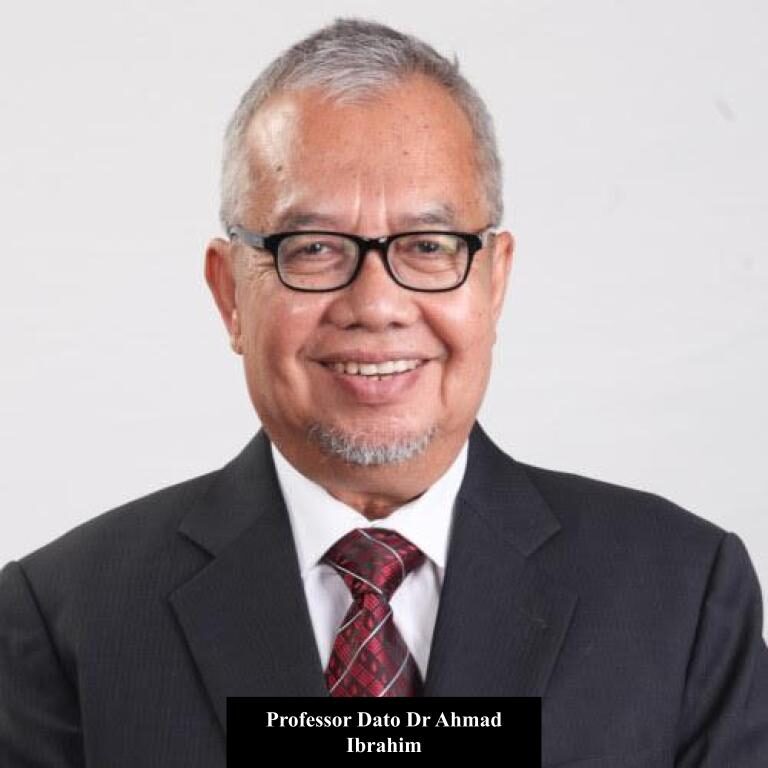
The author is affiliated with the Tan Sri Omar Centre for STI Policy Studies at UCSI University and is an Adjunct Professor at the Ungku Aziz Centre for Development Studies, Universiti Malaya.
About The Author