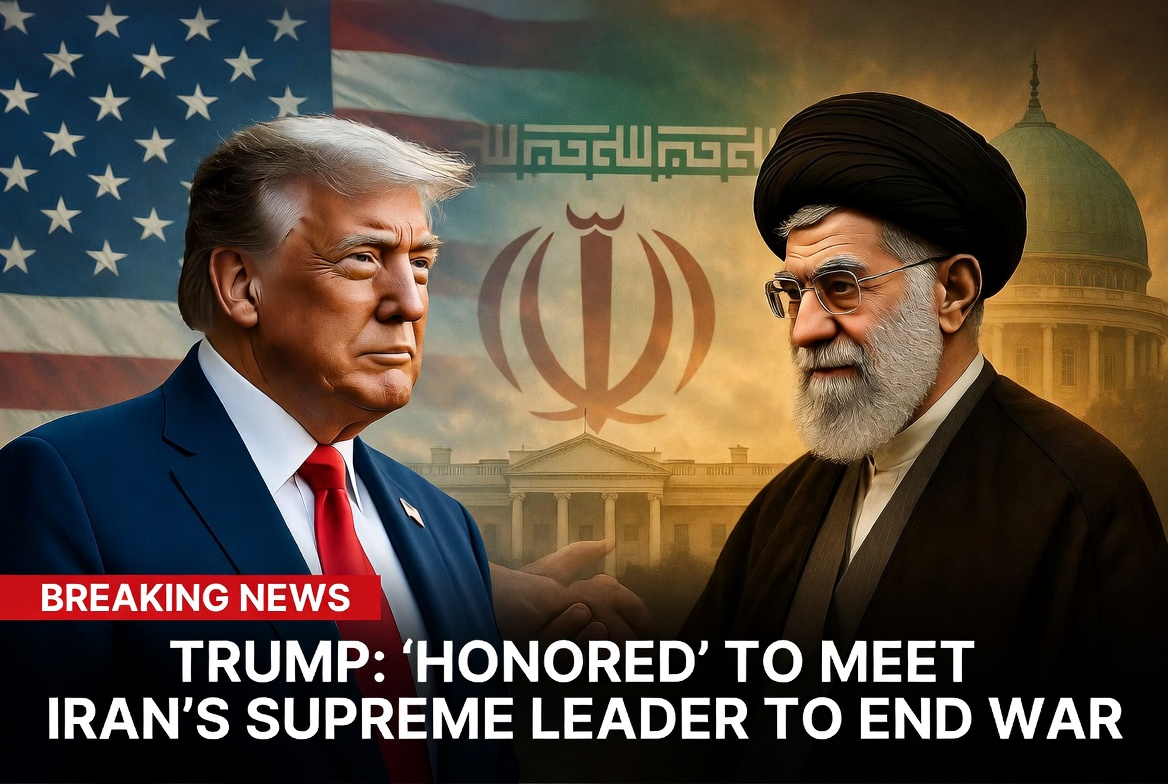
WASHINGTON, D.C. June 4, 2026 – U.S. President Donald Trump expressed willingness to meet Iran’s new Supreme Leader, Ayatollah Mojtaba Khamenei, stating he would be “honored” to do so if it helps secure a deal to end the ongoing U.S.-Iran conflict.
Speaking to reporters in the Oval Office on Thursday, Trump responded to questions about potential direct talks amid negotiations to halt fighting that has persisted for over three months.
“I don’t want to meet, but if I did meet him, I would be honored to meet him,” Trump said. “I’d like to see if we make a deal, but if we make a deal, it’s possible that I would meet him. I’d be okay with that.”
The comments come as indirect talks, reportedly mediated in part through Pakistan, continue following intense U.S.-Israeli military strikes on Iran that began in late February 2026. Those operations killed former Supreme Leader Ayatollah Ali Khamenei— Mojtaba’s father—along with several family members and senior officials in a series of targeted airstrikes on Tehran.
Mojtaba Khamenei, 56, was appointed Supreme Leader by Iran’s Assembly of Experts in early March 2026. He has largely remained out of the public eye amid the conflict, with reports suggesting he has been in hiding for security reasons.
Trump acknowledged the personal and political sensitivities but emphasized pragmatism. He noted that while he is “not his favorite person,” a professional agreement could still be possible. The president has repeatedly signaled that negotiations are progressing and that a deal to reopen the Strait of Hormuz and de-escalate tensions could be near.
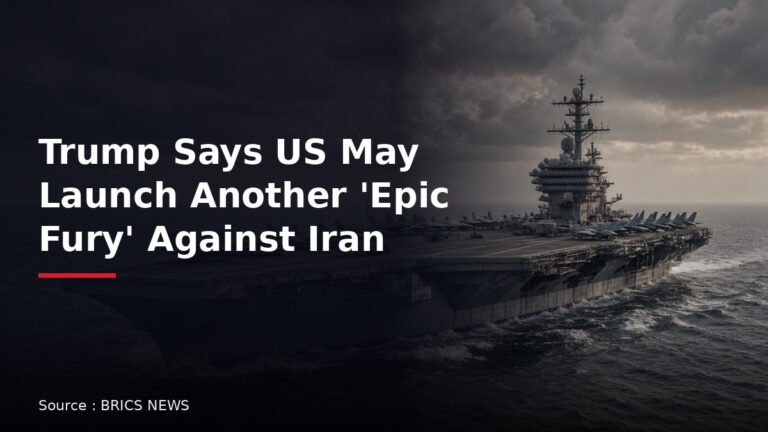
The U.S.-Iran war erupted after Israeli and American strikes aimed at degrading Iran’s nuclear capabilities and military leadership. Iran responded with missile attacks on U.S. bases in the Gulf region and disruptions to shipping. A fragile truce was brokered in April, but sporadic clashes have continued.
The remarks drew mixed responses online and from observers. Some viewed them as a pragmatic opening for diplomacy, comparing it to historical summits like Nixon’s visit to China. Others expressed skepticism or outrage, citing the recent deaths in the Khamenei family and ongoing hostilities.
Iranian officials have not publicly responded to Trump’s latest comments as of Thursday evening. Tehran has previously insisted on indirect channels for any negotiations and demanded guarantees on sanctions relief and security.
This development occurs as the U.S. House recently passed a war powers resolution aimed at limiting further military actions without congressional approval, reflecting domestic divisions over the conflict.
Trump has maintained that his administration’s approach has weakened Iran’s position, potentially paving the way for a stronger agreement. Whether a face-to-face meeting materializes remains uncertain, but the president’s words signal an openness to high-level engagement if it serves U.S. interests.
About The Author