By: Professor Dato Dr Ahmad Ibrahim
The crisis in West Asia is a direct hit to Malaysia’s supply lines, fiscal space, and industrial core. We often frame these conflicts through the narrow lens of “oil price hikes.” But that is an incomplete diagnosis. This was reiterated at a recent forum hosted by UKM Minda, in collaboration with UAC and MIER. We were told that 70% of our consumption—our exports, our manufacturing, our tourism—lives or dies by the stability of global supply chains and foreign demand.
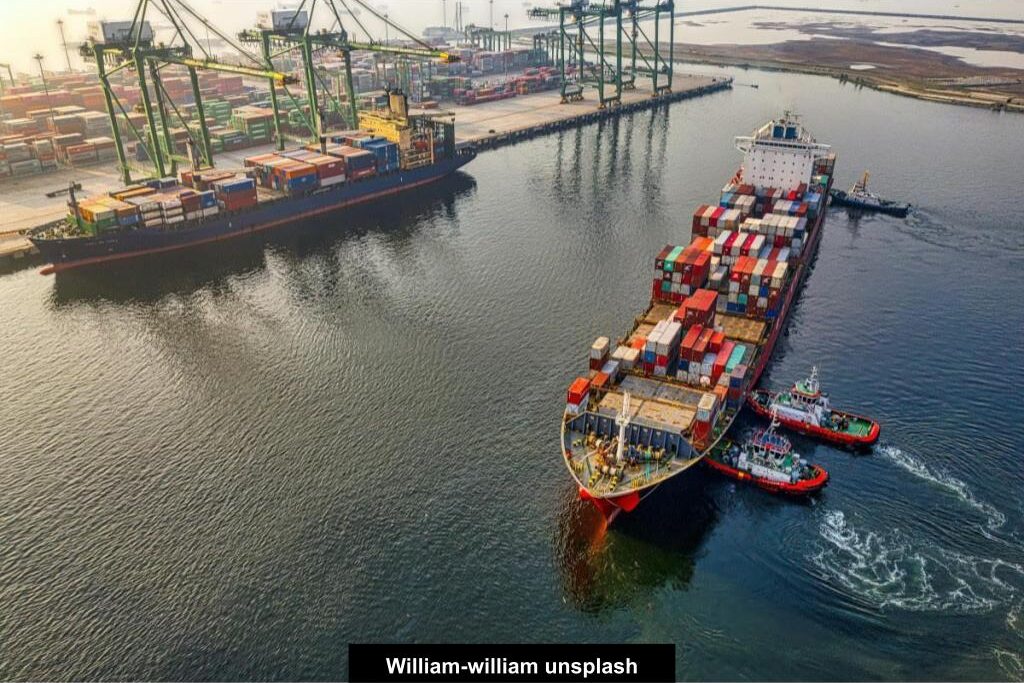
The disruption is not only about higher petrol prices. Take shipping for example. The closure—or even the threat of closure—of the Strait of Hormuz triggers an immediate “force majeure” from global insurers. No insurance, no movement. Consequently, charter rates haven’t just risen; they have more than tripled. For a trading nation like Malaysia, this is a tax on every physical good we buy and sell.
The impact is eerily specific. Chemical-based industries—from plastics to pharmaceuticals—are gasping. Many active pharmaceutical ingredients and industrial precursors transit through that corridor. A shortage of propylene glycol or polyethylene doesn’t just hurt factories; it delays medicine production and raises the cost of everything from car bumpers to IV bags. Take construction SMEs, for instance. It is bleeding cash. Machinery runs on diesel, but diesel subsidy rationalisation—while fiscally necessary—has left many SMEs exposed. Not every logistics firm or contractor enjoys the same blanket protection as other groups. When diesel costs spike and loan repayments remain fixed, a mid-sized contractor can go from solvent to insolvent in three months.
We need pre-emptive not reactive measures. Banks should automatically trigger a six-month repayment moratorium for construction and transport SMEs during a declared supply shock, not wait for a crisis of non-performing loans. Then there is hoarding. Rising oil prices breed panic. Panic breeds hoarding of raw materials. This creates artificial scarcity, driving prices even higher. Malaysia’s domestic trade authorities must move faster on anti-hoarding enforcement before the public feels the pinch.
While energy-importing nations panic, Malaysia is also an energy exporter. The spike in oil and gas revenue gives Putrajaya temporary fiscal space. The opportunity now is to funnel that windfall into energy transition capital—specifically, into renewable energy infrastructure and energy storage. Use the crisis of fossil fuel supply to accelerate the reduction of our own industrial dependence on diesel and natural gas.
Tourist arrivals from Europe and China are dropping because those economies are slowing. But West Asian outbound tourism—from the Gulf states themselves—is often cash-rich and looking for safe, halal-friendly, non-Western destinations. Malaysia has not aggressively marketed itself as a premium “conflict-free getaway” for the Gulf region. That is a missed opportunity.
History tells us that there will always be crisis. Malaysia’s mistake would be to treat this as a one-off oil shock. It is not. It is a structural realignment of global trade routes. The Red Sea, the Strait of Hormuz, the Malacca Strait—these are no longer just shipping lanes; they are geopolitical fault lines.
Finally, let’s address the most dangerous assumption: that because domestic spending is only 30% of GDP, we should focus only on exports. That 30% is the social floor. When imported inflation from shipping and oil raises the cost of food, medicine, and construction materials, that 30% of the economy—the part that employs millions in retail, F&B, and services—gets crushed. Meanwhile, the export sector faces slowing global demand. We are caught in a scissors movement: costs rising from supply shocks, revenues falling from external slowdowns. That is why pre-emptive measures are not optional; they are existential.
A way forward may include creating a strategic diesel reserve for SMEs: Also, a ring-fenced, subsidised diesel allocation specifically for construction and logistics SMEs, outside the general subsidy framework. Good to trigger automatic six-month principal moratoriums for affected sectors when global freight indices cross a certain threshold. Use our port infrastructure to offer tax incentives for companies to store critical raw materials (plastics precursors, medicines) on Malaysian soil, turning us from a transit hub into a resilience hub. Direct tourism promotions to Gulf states, offering premium halal ecotourism and medical travel packages.
The world will not become stable again. That is the new normal. Malaysia can either react to each crisis with patchwork subsidies, or we can read the writing on the hull of every uninsured tanker: Supply chains are now weapons. And we need an economy that can fight back. The blessing, if we choose to see it, is that this crisis has finally killed the illusion of cheap, predictable globalisation. For a nation like Malaysia, that is not a threat. That is an invitation to build something more resilient.

The author is affiliated with the Tan Sri Omar Centre for STI Policy Studies at UCSI University and is an Adjunct Professor at the Ungku Aziz Centre for Development Studies, Universiti Malaya.
About The Author