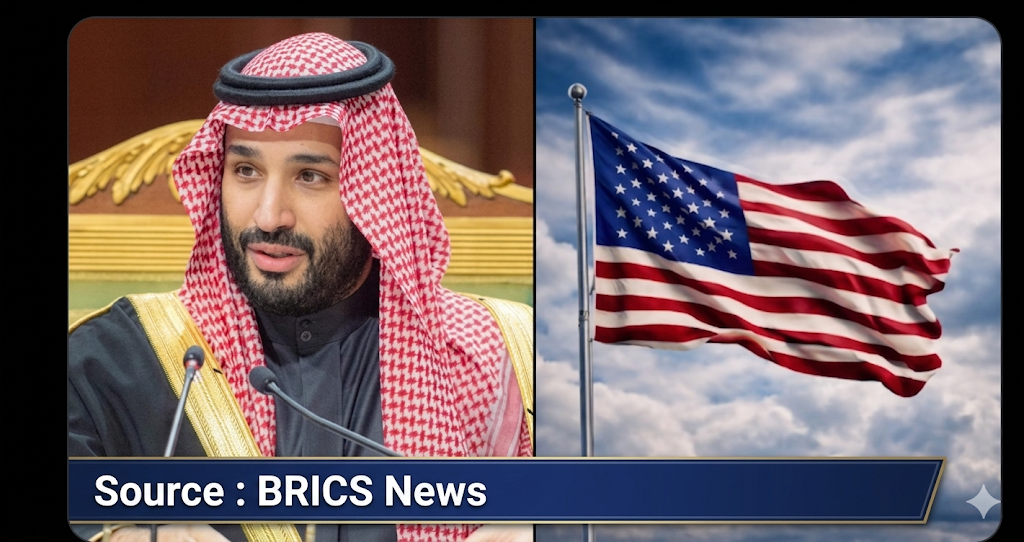
WASHINGTON April 13, 2026 – Saudi Arabia has called on the United States to end its naval blockade of the Strait of Hormuz and return to negotiations with Iran, according to a breaking report from BRICS News.
The development, shared widely on X (formerly Twitter) by the account @BRICSinfo on April 14, 2026, highlights growing regional concerns over the economic and security fallout from the U.S. blockade, which began on April 13 following the collapse of U.S.-Iran peace talks in Islamabad, Pakistan.
The post, accompanied by images of Saudi Crown Prince Mohammed bin Salman and the U.S. flag, states: “JUST IN: Saudi Arabia urges US to end its blockade of the Strait of Hormuz and negotiate with Iran.”
Background on the U.S. Blockade
President Donald Trump ordered the U.S. Navy to blockade Iranian ports and restrict vessels transiting to or from Iran in the Strait of Hormuz after weekend talks failed. The move aims to cut off a key revenue source for Tehran by halting oil exports through the critical chokepoint, which handles roughly 20% of global seaborne petroleum.
U.S. Central Command has clarified that the operation targets Iranian shipping while allowing non-Iranian vessels to pass, but the action has already disrupted regional oil flows and driven up global energy prices.
Saudi Arabia’s Position and Economic Stakes
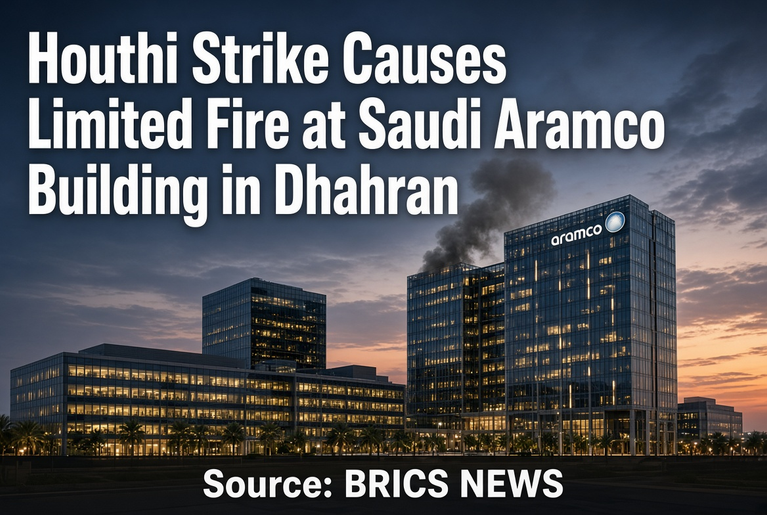
This latest Saudi position appears to reflect Riyadh’s alarm over prolonged disruptions to energy markets. Saudi Arabia, a leading OPEC producer, relies heavily on stable oil exports and has used alternative pipelines to bypass the strait during previous tensions. However, officials fear Iranian retaliation could spread to other routes, such as the Bab al-Mandab Strait via Houthi proxies in Yemen, further threatening Gulf energy security.
The call marks a notable shift. In late March 2026, Saudi Crown Prince Mohammed bin Salman reportedly urged the U.S. to intensify pressure on Iran. Earlier this month, Riyadh welcomed a short-lived U.S.-Iran ceasefire and emphasized the need for unrestricted navigation through the Strait of Hormuz in line with international maritime law.
Broader Regional and Global Impact
The blockade has drawn mixed reactions. While it strengthens U.S. leverage in negotiations over Iran’s nuclear program and regional proxies, critics warn of higher oil prices, potential escalation, and strain on alliances.
Gulf energy exporters, including Saudi Arabia and the UAE, are reportedly pressing Washington privately to de-escalate and prioritize diplomacy to protect global oil trade.
No official Saudi government statement has been issued yet confirming the exact wording of the appeal, and mainstream outlets such as The Wall Street Journal have reported similar Gulf concerns about the blockade’s risks.
Life News Agency will continue monitoring developments as the situation in the Gulf evolves.
About The Author