By Assoc Prof Dr Nor Azlida Mohd Nor and Faris Anuar
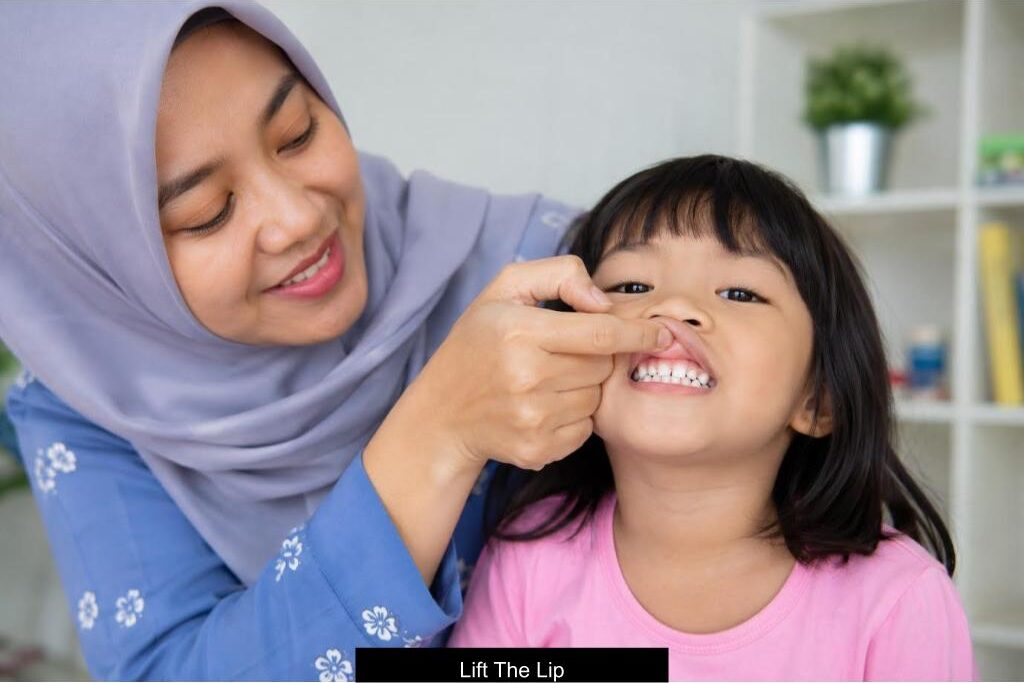
Tooth decay (caries) in young children often begins silently, without pain or obvious symptoms. By the time a child complains of discomfort, the disease may already be at an advanced stage, requiring more complex and invasive treatment. This makes early detection crucial in preventing serious dental problems during childhood. One simple, practical tip that parents and caregivers can use is the “Lift the Lip” technique. This quick visual screening method is designed to help identify early signs of tooth decay in young children by focusing on the upper front teeth, which are particularly susceptible due to frequent exposure to sugary drinks, bedtime milk feeding, and inadequate toothbrushing practices.
In Malaysia, national oral health survey findings report that approximately 71.3% of preschool children experience tooth decay, reflecting a substantial public health burden. Despite this high prevalence, many parents are often unaware of the actual condition inside their child’s mouth, as early lesions are not easily visible without intentional examination. Caries can progress rapidly, causing pain, infection, difficulty eating, disturbed sleep, and impaired growth and development in children.
More importantly, tooth decay is preventable and, in its early stages, even reversible through timely intervention. The “Lift the Lip” technique serves as a practical action that can be performed at home by parents or caregivers in less than a minute. It involves gently lifting the child’s upper lip to inspect the front teeth and gumline for any visible signs. Early warning signs may include white spots, brown discoloration, plaque accumulation, or gum redness and swelling. If such changes are observed, early consultation with a dental professional is recommended.
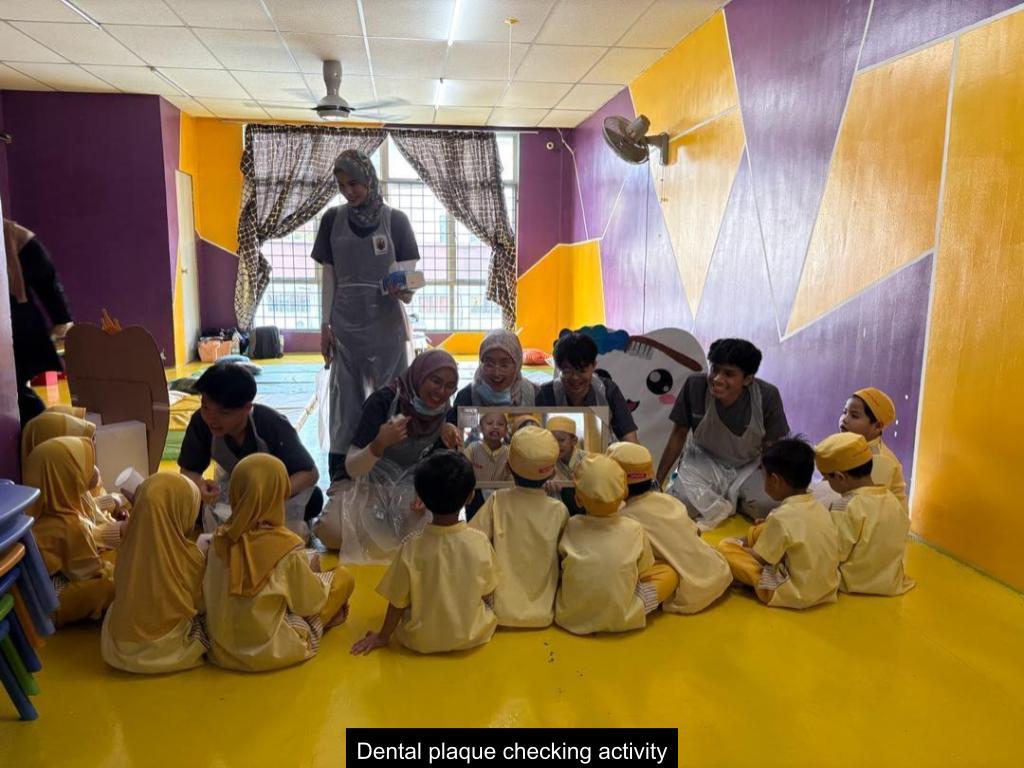
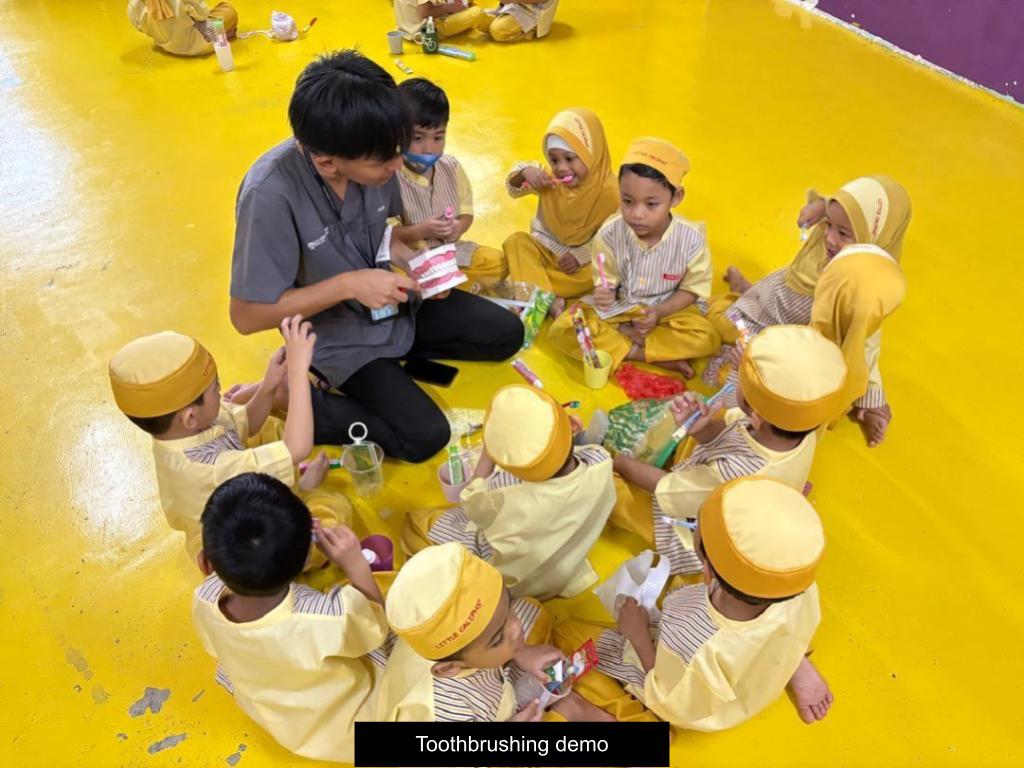
As part of oral health promotion efforts, dental students from Universiti Malaya initiated the “Lift the Lip” campaign through a community outreach programme involving parents, teachers and children from Little Caliph Pantai Baharu and Little Caliph Pantai Dalam, Kuala Lumpur. This initiative is valuable as preschool children attending private kindergartens may not consistently receive routine dental visits or oral health assessments typically provided through government school dental services. The sessions were further enriched with toothbrushing demonstrations, storytelling activities, and interactive mini-games. A webinar was also conducted to cater to parents who were unable to participate in face-to-face activities. This programme not only strengthened community oral health literacy but also enhanced dental students’ communication skills, confidence, and competencies in delivering oral health promotion in real community settings.
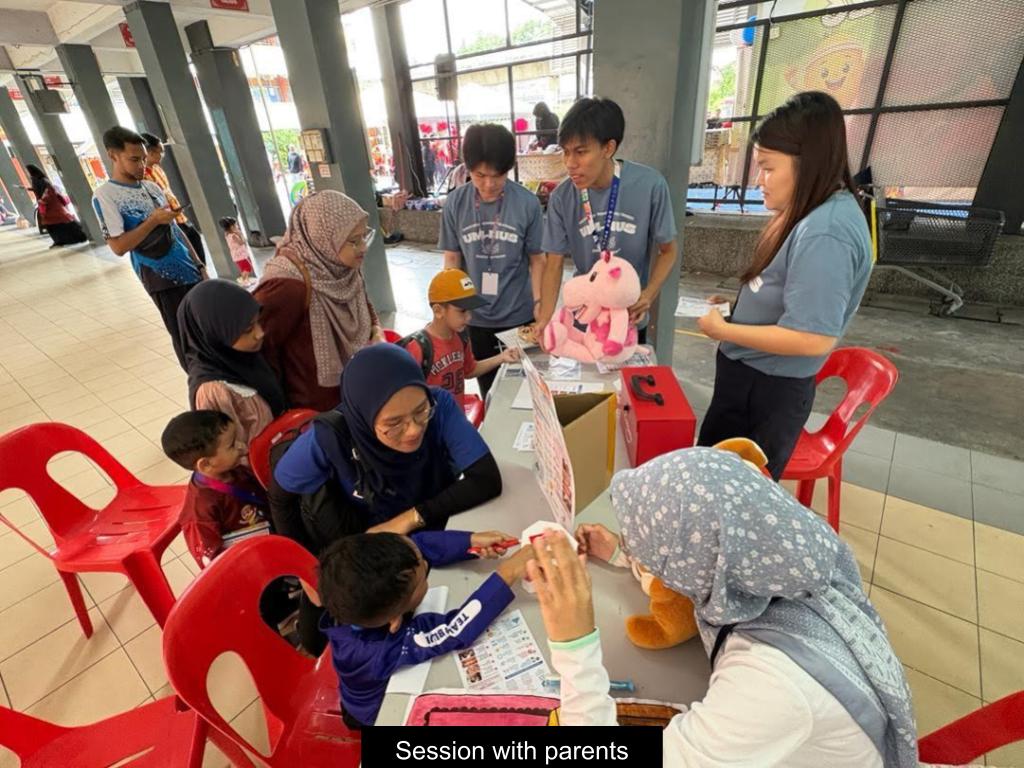
Feedback from the students highlighted meaningful community engagement experience. Syaza, Kah Hui, and Khadijah observed that many parents demonstrated genuine concern and strong interest in their children’s oral health. However, they also noted that parents’ commitment was often challenged by limited time, competing daily responsibilities, and other work priorities. In addition, group members Faris, Hannah, and Kok Zheng expressed appreciation for the strong involvement of preschool teachers, who demonstrated commitment to reinforcing oral health messages beyond the programme, with interest in sustaining similar initiatives in the future.
Therefore, continuous efforts are essential to ensure that any intervention aligns with the principles of the Ottawa Charter for Health Promotion, particularly in strengthening community action, developing personal skills, and reorienting health services towards prevention. This approach highlights the importance of shared responsibility in developing sustainable positive oral health behaviours from an early age.
The authors are Assoc Prof Dr Nor Azlida Mohd Nor, a Lecturer, and Faris Anuar, a Fourth Year Dental Student, from the Faculty of Dentistry, Universiti Malaya.
About The Author