TEHRAN, IRAN March 7, 2026.– In a significant shift amid the ongoing US-Israeli military campaign against Iran, President Masoud Pezeshkian declared that Tehran will no longer target neighboring countries unless attacks against Iran are launched from their territories. The announcement, approved by Iran’s interim leadership council, comes as the war enters its second week, marked by heavy casualties and regional spillover.
Pezeshkian, speaking in a televised address on state media, emphasized that the decision was made to de-escalate tensions with regional states. “The interim leadership council agreed yesterday that no more attacks will be made on neighbouring countries and no missiles will be fired unless an attack on Iran originates from those countries,” he stated. He also extended an apology for recent Iranian strikes on Arab nations, attributing some actions to miscommunications within the military following the loss of key commanders. “I apologise to the neighbouring countries that were attacked by Iran,” Pezeshkian added, clarifying that Tehran harbors no enmity toward its regional neighbors.
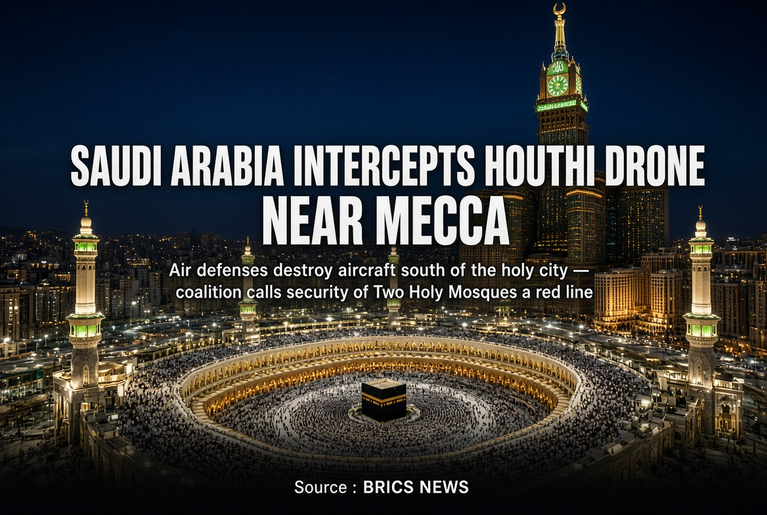
The statement follows a series of Iranian retaliatory strikes on US military assets hosted in Gulf states, including precision missile and drone attacks on al-Dhafra airbase in the UAE and Ali al-Salem airbase in Kuwait. These operations damaged radar systems, runways, and fuel storage facilities, prompting defensive responses from affected countries. Saudi Arabia reported intercepting missiles aimed at a base and drones targeting an oilfield, while Qatar briefly elevated its security threat level after intercepting a missile. The UAE suspended flights to and from Dubai in response to the threats.
Despite the pledge, reports indicate continued incidents shortly after the announcement, including an interception explosion over Doha and a drone strike on Dubai airport, raising questions about coordination within Iran’s forces. Analysts suggest the move may aim to isolate the conflict to direct US-Israeli aggression while avoiding broader regional alienation.
The broader conflict has inflicted severe damage on Iran, with US and Israeli strikes killing at least 1,300 people, including civilians in Tehran and Isfahan. Targets have included military sites, universities, and infrastructure, with over 230 munitions dropped in a single night of Israeli airstrikes. Spillover effects are evident in Lebanon, where more than 200 have died and 95,000 displaced due to Israeli operations.
US President Donald Trump has rejected any negotiations short of Iran’s “unconditional surrender,” insisting on a leadership change post-capitulation. Meanwhile, the Arab League is convening an emergency meeting to address Iranian attacks on member states, requested by Kuwait, Saudi Arabia, Qatar, Oman, Jordan, and Egypt. An Iranian Kurdish group has also signaled potential ground operations with US backing, though no actions are underway.
This development could signal a tactical retreat by Iran to preserve alliances and focus defenses, but its effectiveness remains uncertain amid ongoing hostilities. Regional stakeholders, including Indonesia facing domestic pressure over US ties, are monitoring closely for signs of de-escalation.
About The Author