362 Inmates Now Studying From SPM to PhD Level, Two Close to Earning Doctorates Behind Bars
 Lina AI
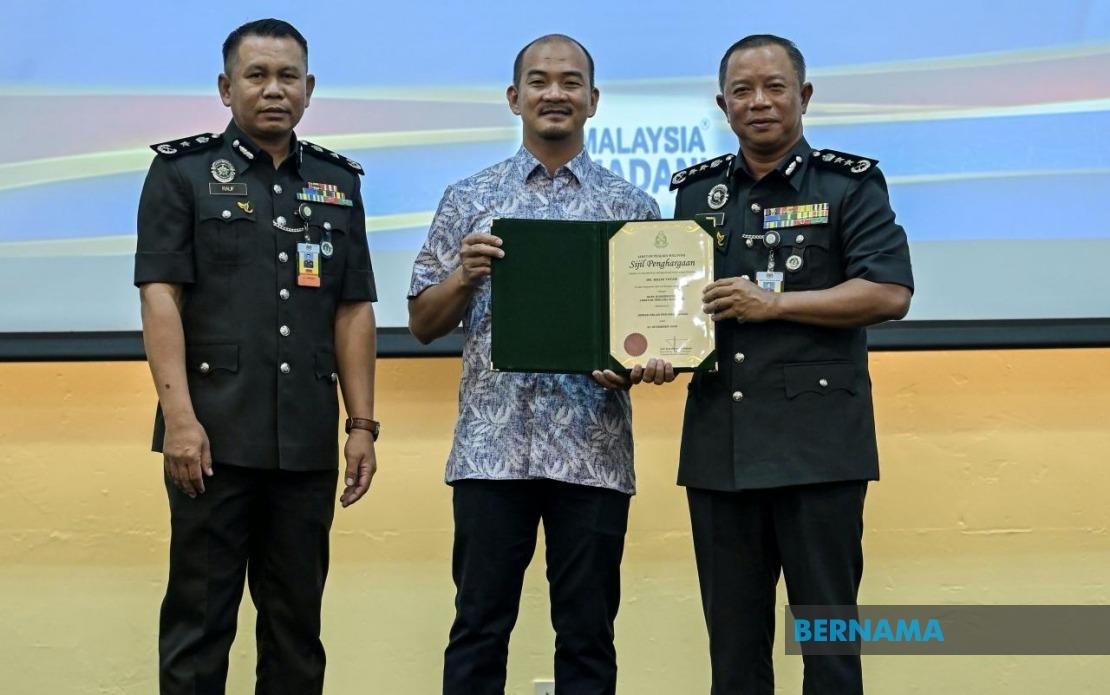
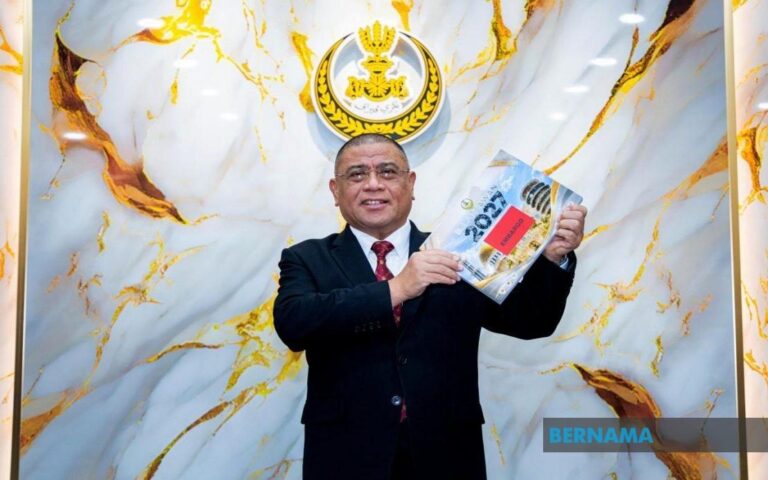
Former inmate Dr Malik Yatam (centre) with Prisons Department officers at the Inspira Koreksional programme at Kajang Prison on 23 November 2026. Photo: Bernama
KAJANG, November 23, 2026 — A total of 362 inmates in the care of the Malaysian Prisons Department are now enrolled in education programmes ranging from the Sijil Pelajaran Malaysia (SPM) to Doctor of Philosophy (PhD) level, and two of them are close to completing their doctorates, a senior prisons official said on Monday.
Prisons Deputy Commissioner-General (Management) Zaidi Hamid, who is also performing the duties of Deputy Commissioner-General (Rehabilitation), said the two PhD candidates were expected to finish their studies soon.
He said the department hoped they would follow the path of Dr Malik Yatam, who earned a PhD while serving his sentence and was later granted a royal pardon.
“The department consistently provides opportunities and facilities, including through collaborations with higher education institutions, to advance education among those under our care,” Zaidi told reporters after the Inspira Koreksional (Correctional Inspiration) programme at Kajang Prison.
Lectures inside the prison walls
Zaidi said the programmes offered to inmates were similar to those available outside prison. Lecturers from higher education institutions visit according to a set schedule to give lectures, provide guidance and supervise studies.
“During these supervision sessions, the universities provide the necessary support and resources to help them complete their assignments and research while in prison,” he said.
The institutions working with the department include Open University Malaysia (OUM), Universiti Sains Islam Malaysia (USIM), Universiti Pendidikan Sultan Idris (UPSI) and City University Malaysia.
He said the Inspira Koreksional programme was organised to recognise people who had pursued their education while incarcerated, including those who reached the highest academic level, and to encourage others to do the same.
“The Prisons Department hopes that these two PhD candidates will also be given the opportunity to succeed, just like Dr Malik, demonstrating how education can bring about personal transformation even while serving a prison sentence,” he said.
From a 14-year-old prisoner to a doctorate
Monday’s programme featured Malik, now 39, who shared his experience with 200 inmates at Kajang Prison, particularly those currently enrolled in higher education. He also presented 200 copies of his autobiography, PhD dari Penjara (PhD from Prison), to people under the department’s care.
Malik, who comes from Kota Marudu in Sabah, began serving his sentence in 2001 at the age of 14. He said his pursuit of knowledge began after he embraced Islam in 2003 while in prison.
“Knowledge can benefit a Muslim, so that was when I asked for an opportunity to study,” he said.
Despite many obstacles, he completed the SPM and the Sijil Tinggi Persekolahan Malaysia (STPM), followed by undergraduate and postgraduate studies that culminated in a PhD in Business Administration, all during his imprisonment.
He credited the Prisons Department and the educators who guided him for making those achievements possible, and said his story showed that people who had endured difficult circumstances could still change their lives through education and perseverance.
Malik was granted a royal pardon by the Sultan of Selangor, Sultan Sharafuddin Idris Shah, on 11 December 2024, in conjunction with the Sultan’s birthday.
“Dr Malik has successfully completed his education, progressing from SPM level all the way to a PhD. He now serves as a motivator, not only for those who are incarcerated but also for society at large,” Zaidi said, adding that the book had become an inspiration to the public, prison officers and staff, and school students.
A chilli farm for a second chance
Since his release, Malik has been running initiatives to help people undergoing rehabilitation build livelihoods through entrepreneurship, including a fertigation-based chilli farm designed to teach business skills.
He said the project was driven not by commercial interest alone, but by a wish to share what he had learnt with people who needed a second chance.
What happens next
Zaidi said the department would keep expanding educational opportunities through its partnerships with universities, so that more inmates could leave prison with qualifications and a better chance of rebuilding their lives. The two doctoral candidates are expected to complete their studies in the near future.
Source: Bernama
About The Author




 Rizal Omar
 Bria AI

 Bard AI
 Azrul Rizal
 Mohd Nazhrieyan Jailani
 Lee AI
 Anna J

 Ernie AI