WASHINGTON D.C April 21, 2026 — An advisor to Iran’s parliament speaker and top negotiator Mohammad Baqer Qalibaf has sharply rejected U.S. President Donald Trump’s decision to extend a fragile ceasefire with Iran, describing it as nothing more than a tactical delay to prepare a surprise military strike.
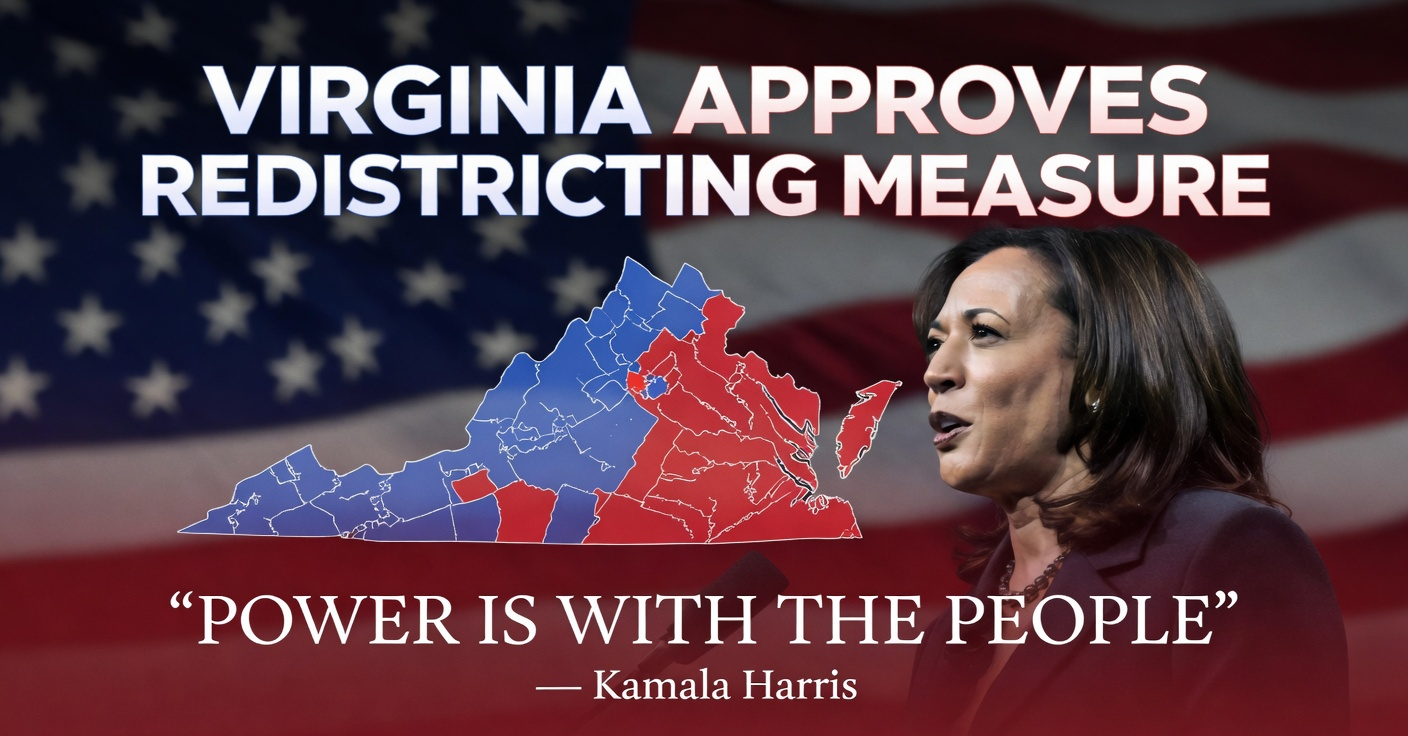
Former Vice President Kamala Harris on Wednesday praised Virginia voters for narrowly approving a constitutional amendment that empowers the Democrat-controlled General Assembly to redraw the state’s congressional districts ahead of the 2026 midterms.
“Trump’s ceasefire extension is certainly a ploy to buy time for a surprise strike,” the advisor, Mahdi Mohammadi, stated. “Extending the ceasefire has no meaning. The losing side cannot dictate terms.”
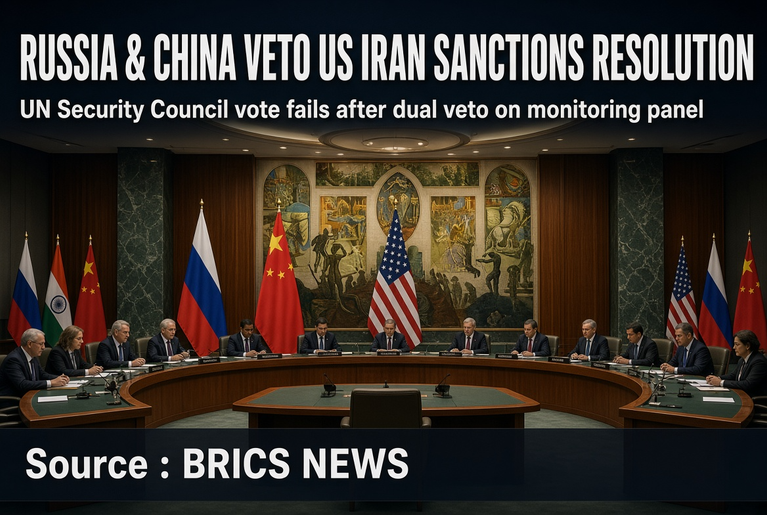
The remarks, first highlighted by BRICS News on X (formerly Twitter), come hours after Trump announced on Truth Social that he was extending the U.S.-Iran ceasefire — originally brokered on April 8 and set to expire Wednesday — at the direct request of Pakistani Prime Minister Shehbaz Sharif and Army Chief Field Marshal Asim Munir. Trump said the pause would remain in place “until such time as their leaders and representatives can come up with a unified proposal” for ending the conflict.
However, the U.S. naval blockade of Iranian ports, including enforcement actions in the Strait of Hormuz, will stay fully in effect, according to multiple U.S. and international reports.
Iranian officials have repeatedly described the ongoing blockade as “no different from bombardment” and an act of war, vowing a military response if it continues. Mohammadi’s statement echoed Tehran’s position that Iran will not negotiate “under the shadow of threats” and is prepared to seize the initiative.
The development underscores deep distrust between Washington and Tehran despite the temporary halt in direct hostilities. Trump had earlier signaled he was reluctant to extend the ceasefire and was “raring to go” with potential strikes on Iranian energy facilities if no deal was reached. The sudden reversal followed intense diplomatic pressure from Islamabad, which has positioned itself as a key mediator.
Markets reacted with cautious relief earlier Tuesday as the immediate risk of renewed strikes receded, but analysts warn that the underlying standoff — centered on the Strait of Hormuz, Iran’s nuclear program, and regional power dynamics — remains unresolved.
Life News Agency will continue to monitor this fast-moving situation as both sides position for the next phase of negotiations or potential escalation.
About The Author