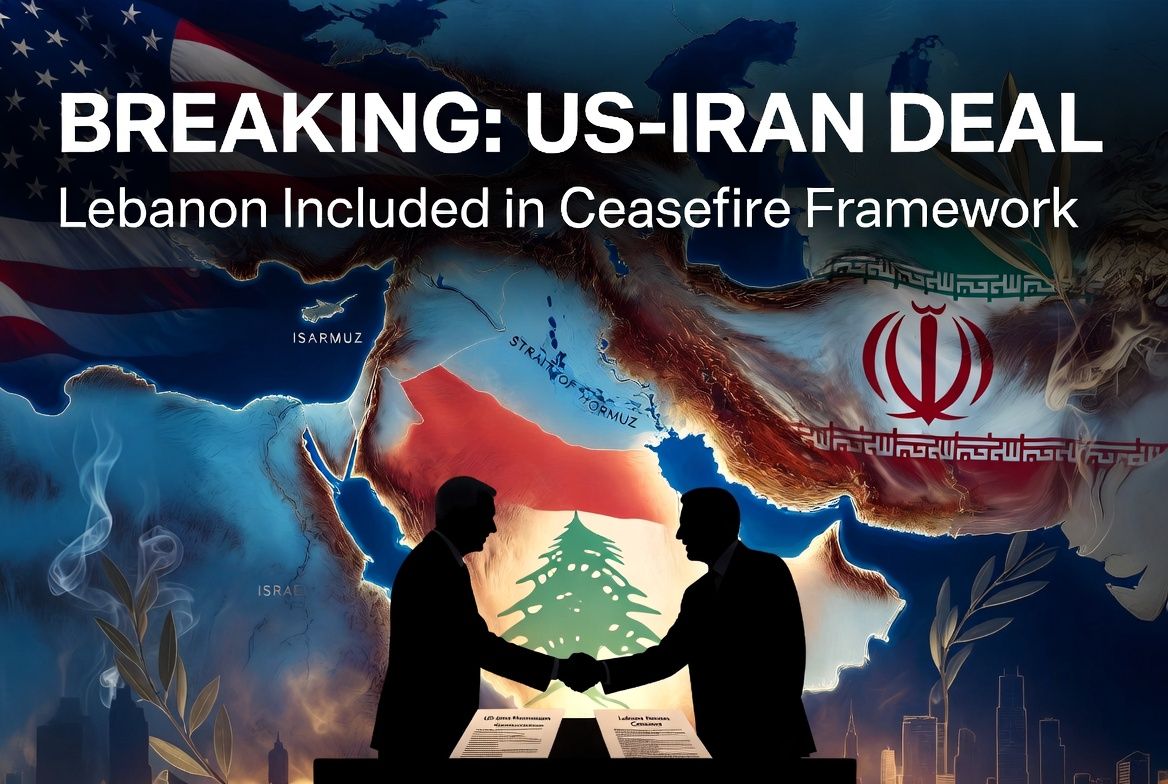
WASHINGTON June 12, 2026 — A senior U.S. official has confirmed that the emerging framework for a broader agreement with Iran to wind down regional hostilities explicitly encompasses Lebanon, where Israeli forces continue operations against Hezbollah, according to AFP.
The disclosure comes amid ongoing U.S.-led efforts under President Donald Trump to formalize a memorandum of understanding with Tehran. The proposed deal aims to stabilize the ceasefire that followed earlier direct exchanges between Iran and Israel, reopen the Strait of Hormuz to global shipping, and launch negotiations on Iran’s nuclear program.
Iran has long insisted that any comprehensive pact with the United States must include a full halt to Israeli strikes in Lebanon, viewing its support for Hezbollah as integral to the regional conflict. Tehran has repeatedly conditioned progress on nuclear limits, sanctions relief discussions, and an end to fighting across linked fronts.
A U.S. official told AFP that the current proposal now folds in Lebanon explicitly, addressing one of Iran’s core demands. However, Israel — which is not a direct party to the U.S.-Iran memorandum — has signaled strong opposition to linking its security operations in southern Lebanon to the bilateral framework. Israeli Prime Minister Benjamin Netanyahu’s office previously emphasized that while appreciating U.S. commitments on Iran’s nuclear infrastructure and proxy support, Jerusalem retains freedom of action.
Fighting between Israel and Hezbollah has continued intermittently despite earlier partial ceasefires brokered or announced through U.S. channels. Hezbollah has rejected certain U.S.-mediated truces that did not meet its conditions, while Israeli strikes have targeted militant positions amid concerns over border security and arms flows.
Iranian officials have warned that ongoing Israeli actions in Lebanon could jeopardize the wider U.S.-Iran track. The inclusion of Lebanon in the proposed deal represents a potential breakthrough in bridging these positions, though diplomats caution that implementation remains highly complex.
The developments follow months of volatility since the April 2026 ceasefire between the U.S. and Iran, which was initially limited in scope and subject to competing interpretations over its geographic reach. Trump has expressed optimism about nearing a final understanding, while Iranian statements have stressed the need for sincerity and full de-escalation.
Markets have reacted with volatility to successive waves of optimism and setbacks, with oil prices sensitive to any risk of renewed Strait of Hormuz disruptions.
Neither the White House nor Iranian authorities have issued immediate official comments on the AFP report. Progress on the memorandum is expected to face further tests in the coming days as indirect talks continue, with regional mediators including Qatar and Pakistan involved in facilitation.
This story is developing.
About The Author