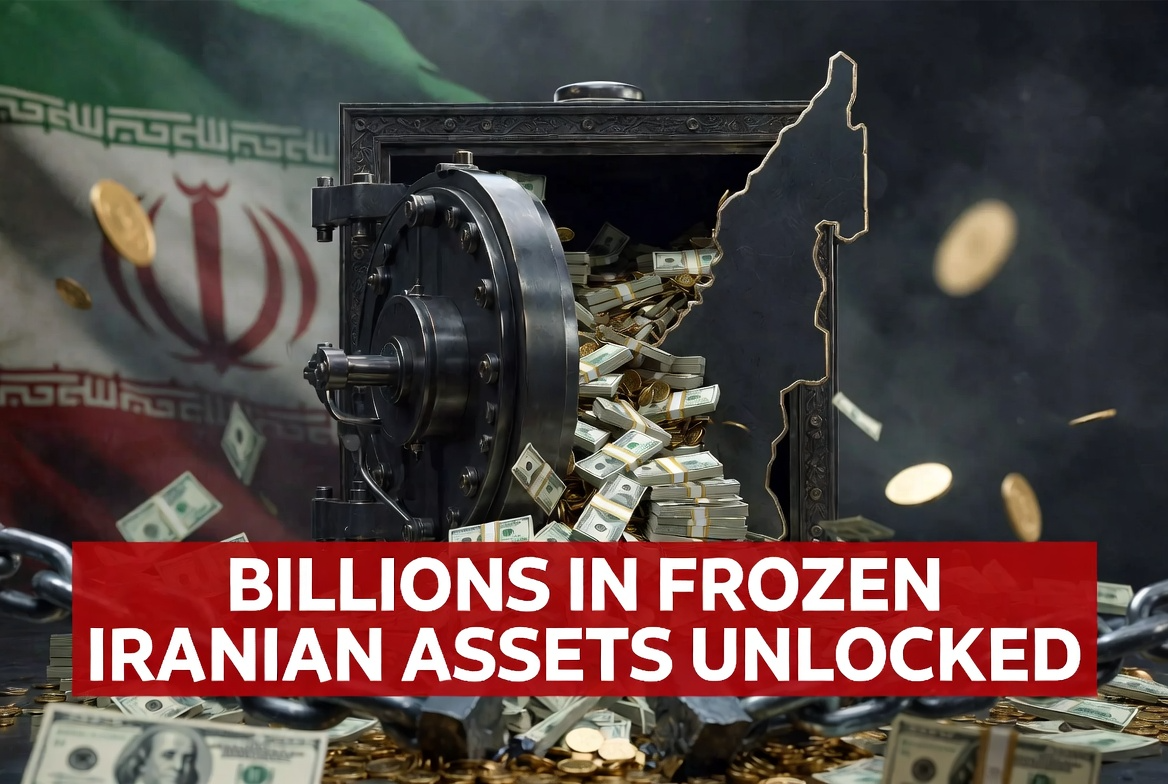
DUBAI/LONDON June 12, 2026 — The United Arab Emirates has agreed to release billions of dollars in frozen assets to Iran as part of a tactical de-escalation deal following weeks of Iranian missile and drone strikes on Gulf targets during the recent U.S.-Israel-Iran conflict, according to multiple sources cited by Reuters.
Four sources familiar with the arrangement told Reuters that the UAE is unlocking significant funds — estimates range from $10 billion (with more than $3 billion already transferred) to as much as $20 billion — in return for Iran ceasing attacks on UAE territory, including facilities like Fujairah port.
The move represents a notable shift for the UAE, which had earlier considered freezing Iranian-linked assets in retaliation for the strikes. It comes amid broader diplomatic efforts to wind down the four-month conflict, including ongoing U.S.-Iran negotiations that could involve further releases of frozen Iranian oil revenues held abroad.
Iran launched hundreds of drones and missiles at Gulf states during the height of the fighting, prompting concerns over regional stability and energy security. The UAE, a key U.S. ally and financial hub with substantial Iranian-linked business activity in Dubai, faced direct threats to its infrastructure.
Sources indicated Iran has sought similar arrangements with other Gulf states. The funds in question likely involve Iranian assets held in UAE banks, many of which have been immobilized under U.S. sanctions enforcement.
The UAE Foreign Ministry has firmly denied the reports, stating that no funds have been transferred, released, or facilitated to Iran.
This denial highlights the sensitivity of the issue, as any public confirmation could complicate relations with the United States or expose the UAE to secondary sanctions risks.
The reported arrangement underscores a pragmatic approach by Gulf states seeking to protect their economies and de-escalate tensions independently of Washington. Critics argue it rewards Iranian aggression, while supporters see it as a necessary step for regional stability and reopening key waterways like the Strait of Hormuz.
Iran’s economy has been severely strained by sanctions and the conflict, making access to frozen assets a priority in ceasefire talks. The UAE, meanwhile, relies on financial stability and has long served as an important (if discreet) conduit for regional trade.
This story is developing, with potential ripple effects on ongoing U.S.-Iran peace talks and the wider Middle East security landscape.
About The Author