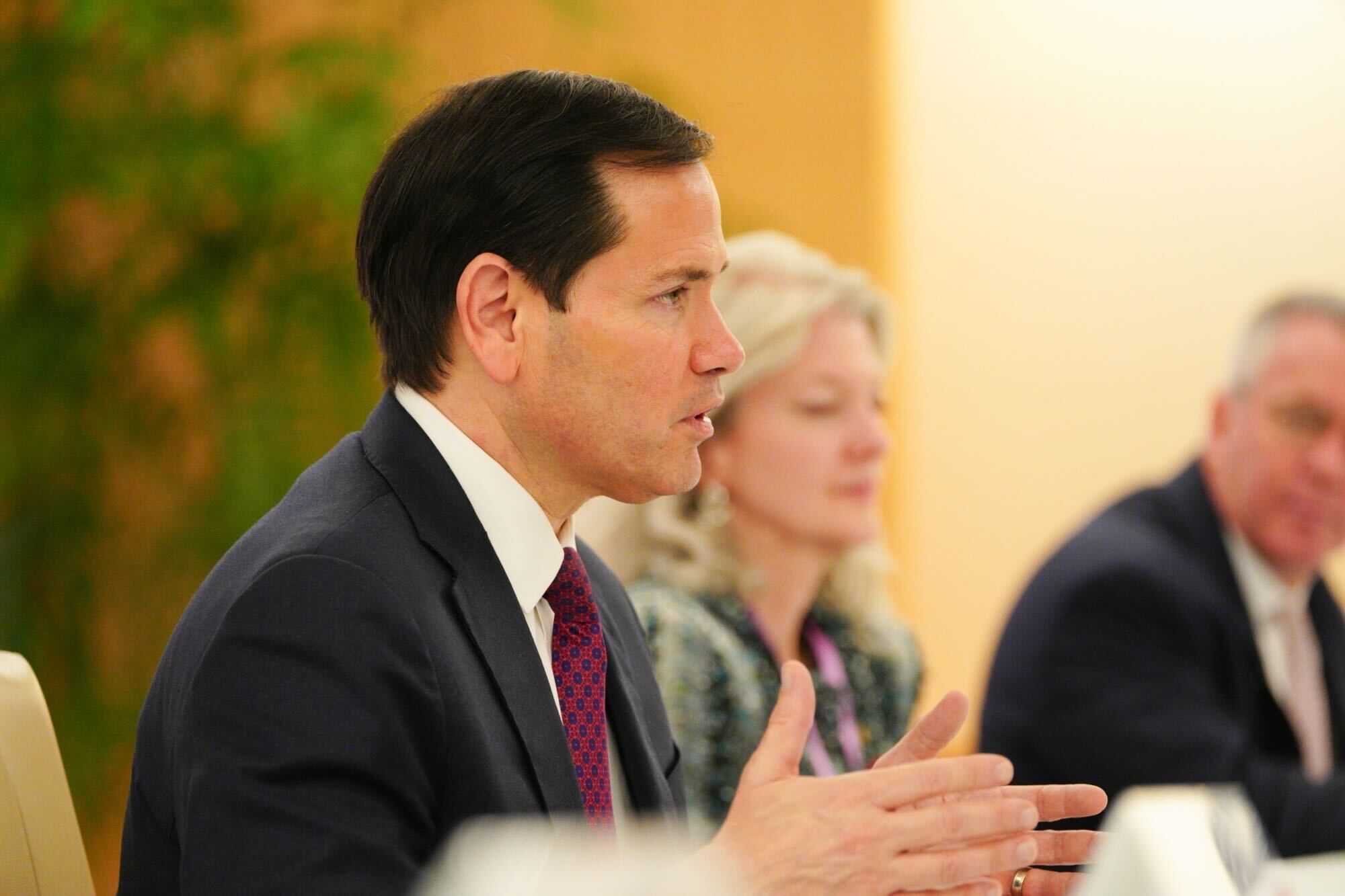
WASHINGTON, DC December 26, 2025 – The United States has voiced concern over recent developments in southeastern Yemen, calling for restraint and renewed diplomatic efforts amid reports of security operations and clashes in the region.
In a statement posted on X (formerly Twitter), Secretary of State Marco Rubio said: “The United States is concerned by recent events in southeastern Yemen. We urge restraint and continued diplomacy, with a view to reaching a lasting solution. We are grateful for the diplomatic leadership of our partners, the Kingdom of Saudi Arabia and the United Arab Emirates and remain supportive of all efforts to advance our shared security interests.”
The statement comes amid heightened activity by the Southern Transitional Council (STC), a UAE-backed separatist group controlling much of southern Yemen. STC-aligned forces have reportedly conducted operations in eastern provinces like Hadhramout and Mahra, targeting alleged terror networks linked to the Muslim Brotherhood and Houthi smugglers.
Supporters of southern Yemen’s autonomy welcomed the U.S. position, interpreting it as tacit support for actions against northern-dominated elements in the internationally recognized government. One response highlighted the STC’s role as “US partners on the ground against Houthi and Muslim Brotherhood terrorism,” describing the operations as “defensive actions.”
Critics, however, pointed to underlying fractures in Yemen’s fragile alliances. Yemen has been divided since the 2014 Houthi takeover of Sana’a, with a Saudi-led coalition intervening in 2015 to support the recognized government. The STC, seeking greater autonomy or independence for the south (formerly independent until 1990), has clashed with government forces despite shared opposition to the Iran-backed Houthis.
The U.S. statement notably praises Saudi Arabia and the UAE—key coalition partners—despite occasional tensions between them over influence in southern Yemen. Recent years have seen a drawdown in direct Saudi military involvement, shifting toward diplomacy, while UAE-backed groups like the STC maintain significant on-ground presence.
No specific incidents were detailed in Rubio’s post, but regional observers link the timing to ongoing disputes over resource control and security in oil-rich eastern Yemen. The UN-brokered truce between the Houthis and the coalition has largely held since 2022, but internal rifts within the anti-Houthi camp persist, complicating peace efforts.
About The Author