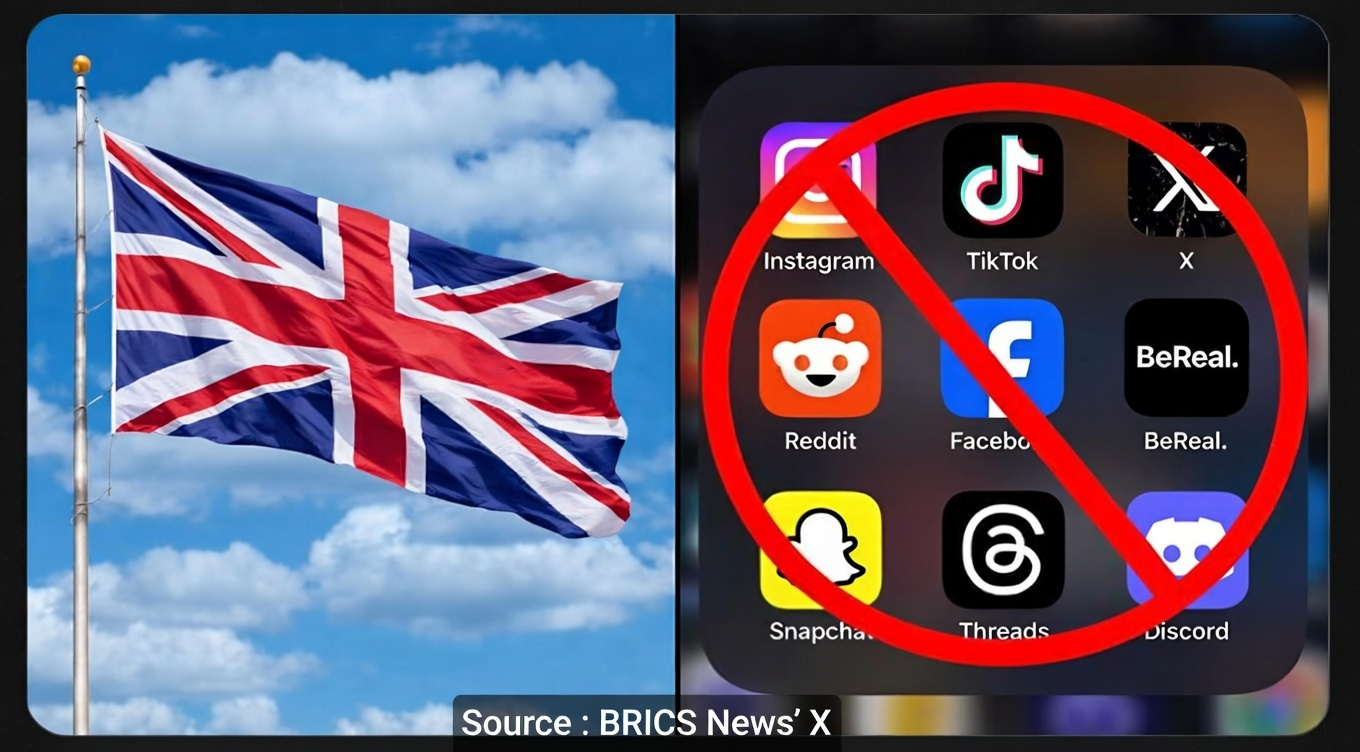
LONDON January 19, 2026 – In a move aimed at safeguarding children’s mental health and wellbeing, the UK government has announced a consultation on potentially banning social media access for those under 16 years old. This initiative follows similar measures recently implemented in Australia and comes amid growing concerns over the impact of addictive algorithms and excessive screen time on young people.
The consultation, launched by the Department for Science, Innovation and Technology, will explore a range of options, including stricter age verification checks, restrictions on addictive features like infinite scrolling, and an outright ban for children below a certain age. Technology Secretary Peter Kyle emphasized the need for “immediate action” to protect young users, stating that the government is prepared to adopt evidence-based policies from around the world, including a planned visit to Australia to study their under-16 ban.
Prime Minister Keir Starmer’s administration had initially resisted a blanket ban but shifted stance under pressure from backbench MPs and cross-party support. The proposal aligns with amendments to the Children’s Wellbeing and Schools Bill, which could mandate platforms to enforce age assurance within a year. Opposition leader Kemi Badenoch has voiced support, indicating the Conservative Party would back such a measure if in power.
In addition to social media restrictions, the government is introducing tougher guidelines for mobile phone use in schools. Ofsted inspectors will now evaluate schools’ phone policies, aiming for “phone-free” environments by default. New evidence-based screen time guidance for parents of children aged 5 to 16 will also be provided to help families manage device usage.
Public reactions have been mixed. Supporters argue that the ban could mitigate mental health issues linked to social media, while critics warn it might drive children to unregulated platforms or infringe on freedoms. On social media platform X, users expressed varied opinions, with some praising the move as a step toward healthier childhoods and others questioning government overreach.
The consultation is expected to gather views from parents, educators, tech companies, and child welfare experts over the coming months, with potential legislation to follow. This development underscores a global trend toward stricter online protections for minors, as nations grapple with the digital age’s challenges.
About The Author