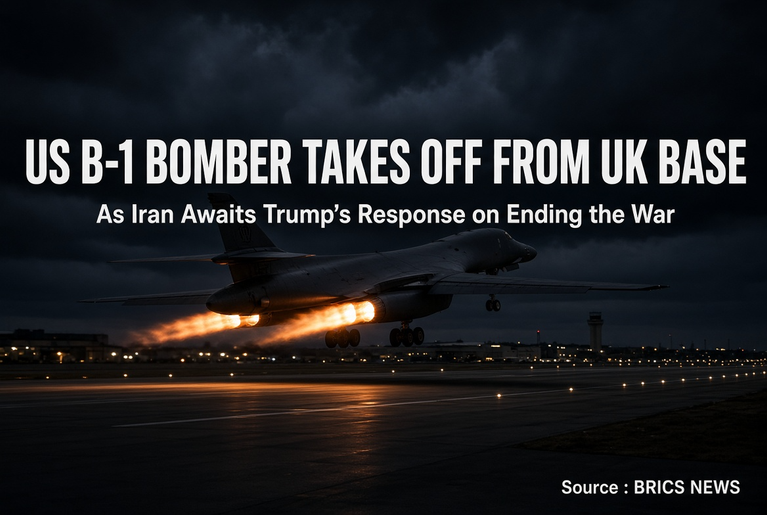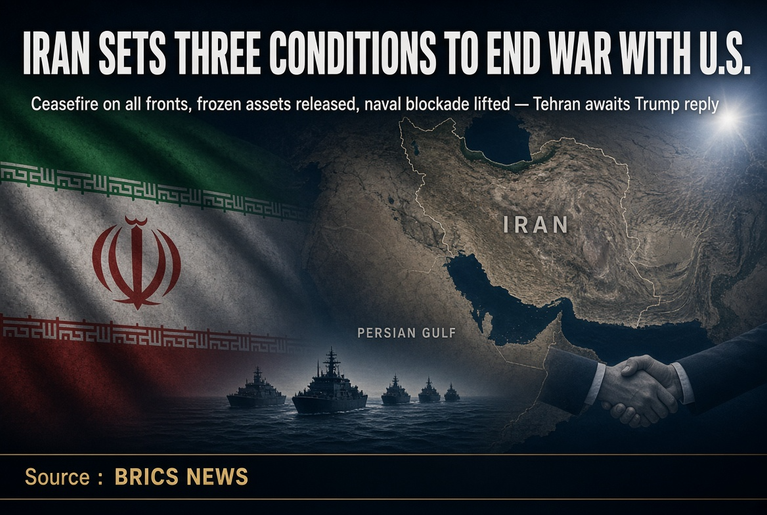
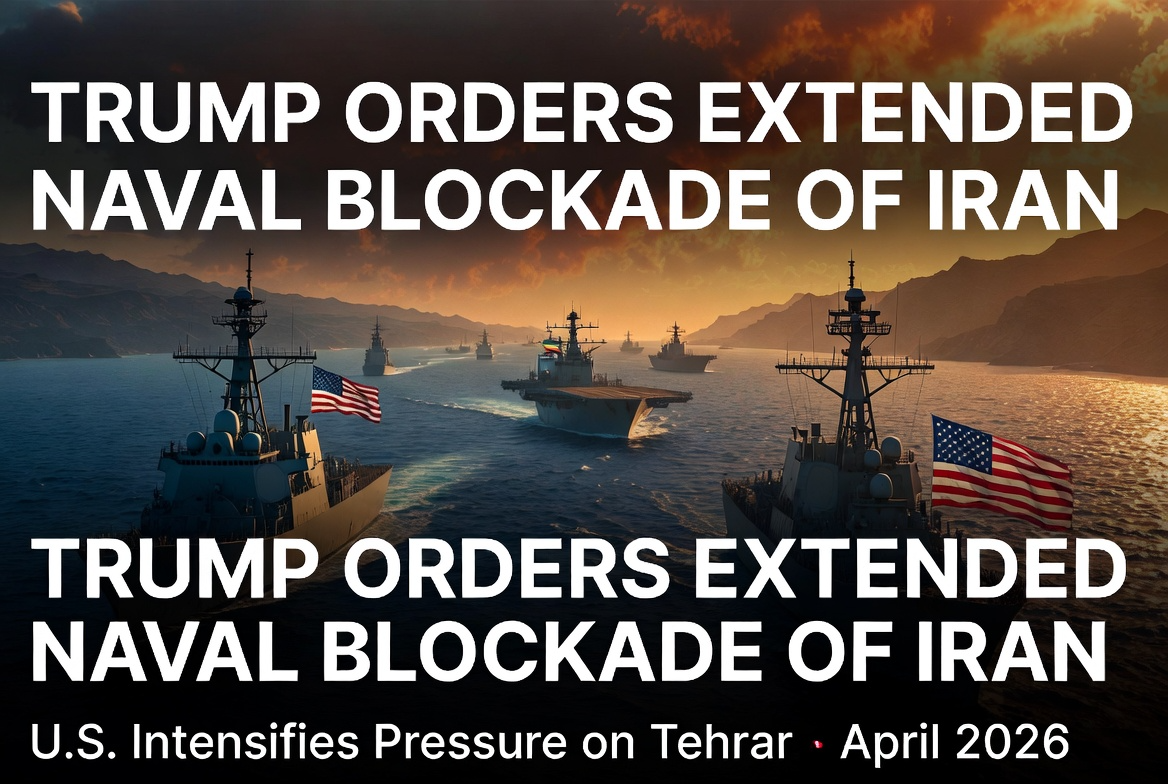
WASHINGTON D.C. April 28, 2026 — President Donald Trump has directed White House aides to prepare for a prolonged naval blockade of Iran, U.S. officials told The Wall Street Journal, as Washington doubles down on economic pressure following the collapse of peace talks.
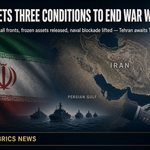
The decision builds on the U.S. naval blockade of Iranian ports and the Strait of Hormuz, which took effect on April 13, 2026, after negotiations in Islamabad, Pakistan, failed to resolve core disputes — chiefly Iran’s nuclear program and its regional activities.
According to administration sources, Trump views the extended blockade as the lowest-risk path forward: more effective than resuming airstrikes or walking away from the standoff, while maintaining maximum leverage to force Tehran into nuclear concessions.
The blockade has already severely curtailed Iran’s oil exports — a lifeline for the regime — with President Trump stating last week that Tehran is losing approximately $500 million per day. U.S. Central Command (CENTCOM) has intercepted or diverted dozens of vessels attempting to enter or exit Iranian waters.
“This is sustained naval dominance on Iranian ports and the Strait of Hormuz,” one official familiar with the discussions said, describing the strategy as “economic warfare” designed to choke the regime’s cash flow without requiring boots on the ground.
The move has triggered a “dual blockade” dynamic in the Strait of Hormuz, through which roughly 20-25% of global seaborne oil and LNG normally passes. Iran has responded by restricting foreign shipping and seizing vessels, contributing to volatility in global energy markets.
No immediate military escalation is planned, but the administration has made clear the blockade will remain in place until a comprehensive deal is reached — one that addresses Iran’s nuclear ambitions, which Tehran has so far refused to fully abandon.
Analysts note the strategy reflects Trump’s preference for prolonged leverage over quick confrontation, even as Iran’s economy faces mounting strain with limited oil storage capacity remaining.The White House has not yet issued an official statement on the latest directive, but press secretary Karoline Leavitt confirmed Monday that Trump and his national security team continue to review Iran’s latest proposals to reopen the strait in exchange for lifting the blockade.
Global oil prices and shipping insurance rates remain elevated amid uncertainty over how long the blockade will last and whether Iran will attempt to challenge it directly.
Life News Agency will continue to monitor developments in the 2026 Strait of Hormuz crisis.
About The Author