By Professor Dato Dr Ahmad Ibrahim
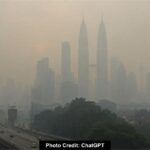
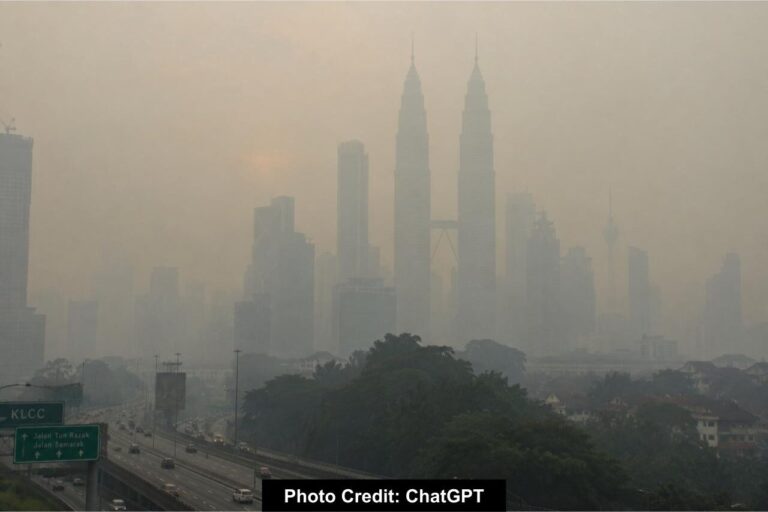
The world is on track for its hottest year on record. The United Nations warns there is a 75 percent chance that average global warming across the next five years will permanently exceed the 1.5°C threshold. A powerful El Niño is expected to arrive later this year, threatening to push temperatures into uncharted territory. And yet, something strange is happening. We are heating up—and we are tuning out.
According to the Ipsos People and Climate Change Report 2026, the proportion of people who believe individuals would be failing future generations by not acting against climate change has fallen from 72 percent in 2021 to just 61 percent today. In Switzerland—one of the world’s fastest-warming countries—only 50 percent now feel that moral obligation. Climate change now ranks around 11th among global public concerns, trailing inflation, crime, and unemployment. Half of respondents across 31 countries say governments should prioritize low energy prices even if it means emissions increase.
This is the new climate fear— we have stopped believing we should try. This is the paradox we are living through. Three of the last four years have been the hottest on record. Seventy-five percent of people now say they feel the impact of climate change. And yet, the individual desire to act has fallen over the same period. This is climate fatalism: a creeping sense that it is already too late. Across the developed world, the narrative has shifted from “we must act now” to “what’s the point?”. The very urgency that was supposed to galvanize action has become a source of paralysis.
But the deeper fear—the one policymakers and activists alike avoid—is about what decarbonization actually demands of us. Every major net-zero strategy assumes that economic growth can continue unabated while technology delivers decarbonization. Yet the evidence suggests otherwise. A landmark 2023 study found that at current decoupling rates, high-income countries would require over 220 years to reduce emissions by 95 percent—emitting 27 times their remaining carbon budget in the process. Demand-side measures could deliver 40 to 70 percent of required reductions, but these remain “politically sidelined.”
The uncomfortable truth is that decarbonization is not just a technological challenge—it is a political and economic one. It requires asking people to consume less, travel differently, and pay more for energy. And in 2026, with inflation squeezing households and geopolitical crises driving oil prices higher, those are precisely the questions voters do not want to hear.
The consequences are visible everywhere. Malaysia has delayed its carbon tax due to Middle East uncertainties. The EU’s Carbon Border Adjustment Mechanism has sparked accusations of green protectionism. The World Economic Forum reports that the global energy transition is “fragmenting” under the weight of geopolitical tensions. Even the International Maritime Organization has failed to adopt a net-zero framework for shipping.
Meanwhile, the gap between ambition and implementation widens. The World Bank notes that while net-zero pledges are rising, “the main challenge is sustained implementation and measurable results.” Developing countries face an annual adaptation funding gap of more than $310 billion—a figure that dwarfs the $26 billion in international public adaptation finance available.
This is not a call for despair. It is a call for honesty. The climate movement spent years telling the public that disaster was imminent—and then wondering why people grew exhausted. Fear, it turns out, is a poor long-term motivator. What we need now is not more alarm, but more candor about the trade-offs we face. The public is not rejecting climate action; 59 percent across 31 countries still say their country should be doing more. But they are demanding that action be affordable, reliable, and fair.
The latest fear about climate change is not that we will fail to decarbonize—it is that we will stop trying before we have even begun to have the honest conversation about what success actually costs. That conversation is long overdue. And the longer we delay it, the more we feed the fatalism that is, right now, the greatest threat to our shared future.
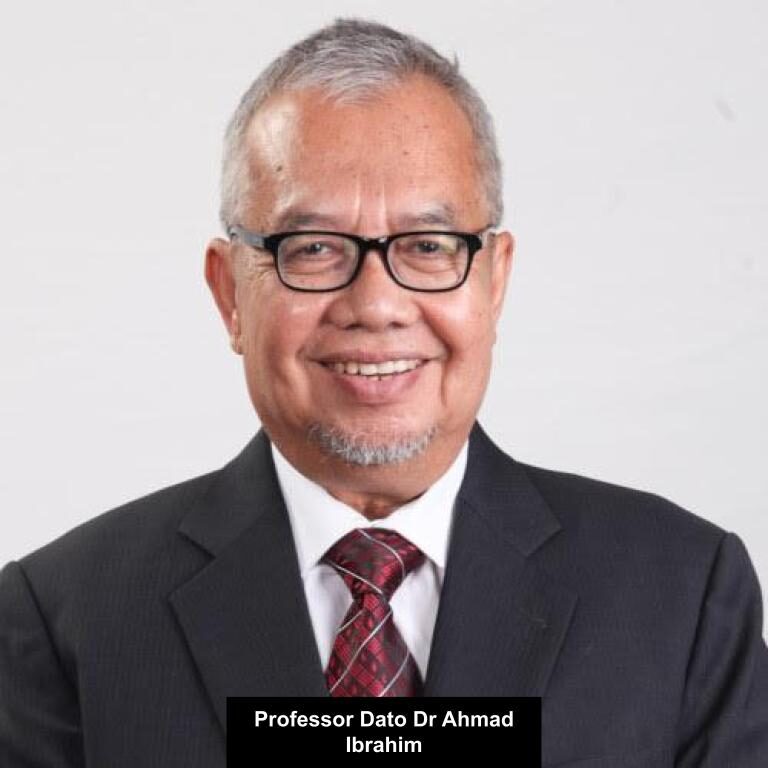
The author is affiliated with the Tan Sri Omar Centre for STI Policy Studies at UCSI University and is an Adjunct Professor at the Ungku Aziz Centre for Development Studies, Universiti Malaya.
About The Author