WASHINGTON, D.C. May 20, 2026 – U.S. Senator Elissa Slotkin (D-MI) on May 20, 2026, drew attention to reports of over $2.6 billion in suspiciously timed oil futures trades that preceded major Trump administration announcements on the Iran conflict, coinciding with higher fuel costs for American consumers.
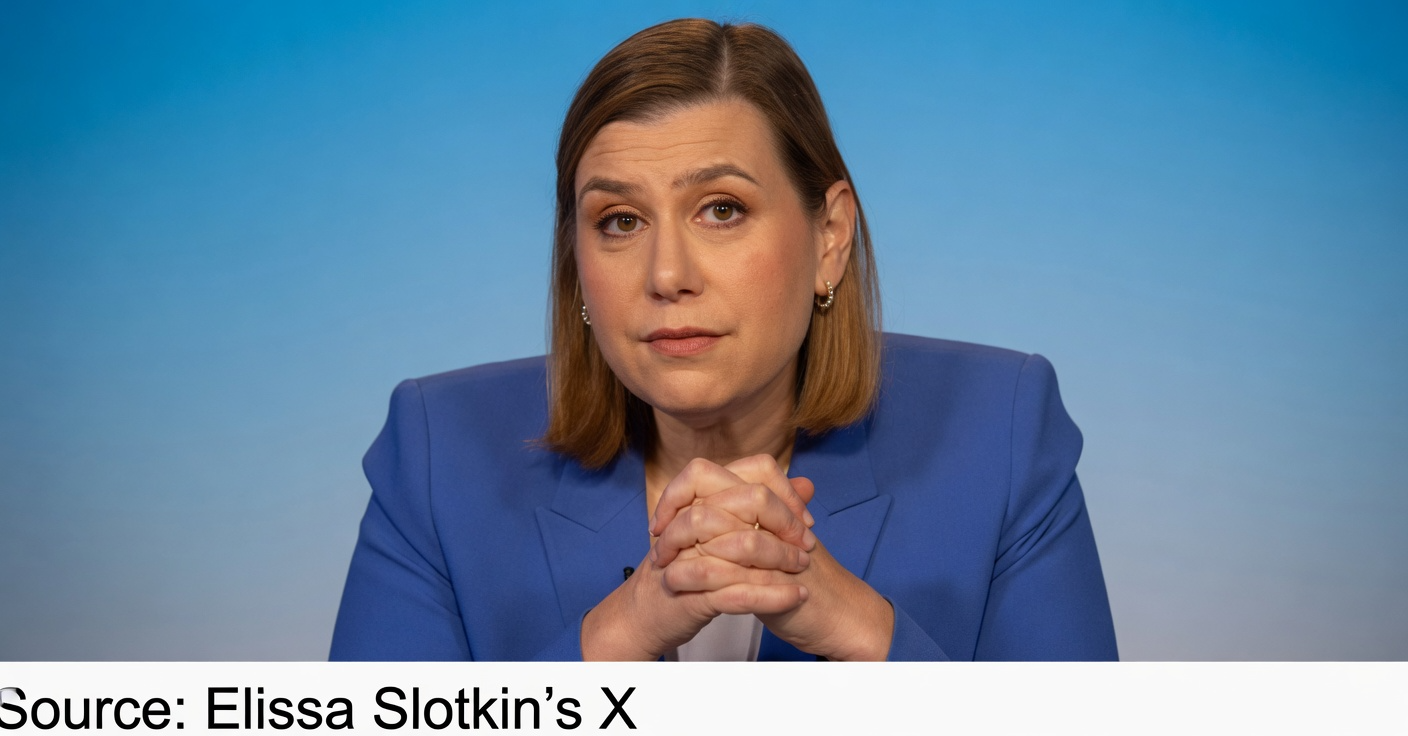
In a video posted to X (formerly Twitter), Slotkin stated: “At the same time that Americans are all paying more at the pump, traders with inside information are making billions in mysteriously timed bets on oil markets.” She referenced Department of Justice (DOJ) and Commodity Futures Trading Commission (CFTC) investigations into the trades.
Key Trading Incidents Cited
- March 23: Traders placed over $500 million in bets that oil prices would fall, just 15 minutes before President Trump announced a delay in attacks on Iranian energy infrastructure.
- April 7: A roughly $950 million wager on falling oil prices occurred ahead of a Trump announcement on a potential ceasefire with Iran.
- Additional trades brought the total under scrutiny to more than $2.6 billion, according to data from the London Stock Exchange Group shared with ABC News.
Slotkin noted recurring patterns where large, profitable bets preceded public statements that moved oil markets downward. She framed the issue as potential insider trading affecting everyday Americans facing elevated gas prices due to Middle East volatility, particularly risks around the Strait of Hormuz.
Broader Context
The DOJ and CFTC are actively probing these incidents for possible market manipulation or illegal use of non-public information. No charges have been announced, and there is no public evidence directly linking Trump administration officials to the trades.
Slotkin, a former national security official, has pushed related reforms. She co-led a bipartisan bill earlier in 2026 to ban federal officials and staff from trading on prediction markets using insider knowledge.
Gas prices have risen in recent months amid geopolitical tensions, tariffs, and supply concerns, hitting consumers and industries like farming and manufacturing particularly hard in states like Michigan.
Critics on social media dismissed Slotkin’s comments as partisan, while supporters called for stronger oversight of financial markets tied to policy decisions.
The investigations continue as markets watch for further developments in U.S.-Iran relations and energy policy.
About The Author