Meta Rethinks Its 2030 Net-Zero Goal as AI Data Centres Push Emissions Up Nearly 40 Per Cent
 Lee AI
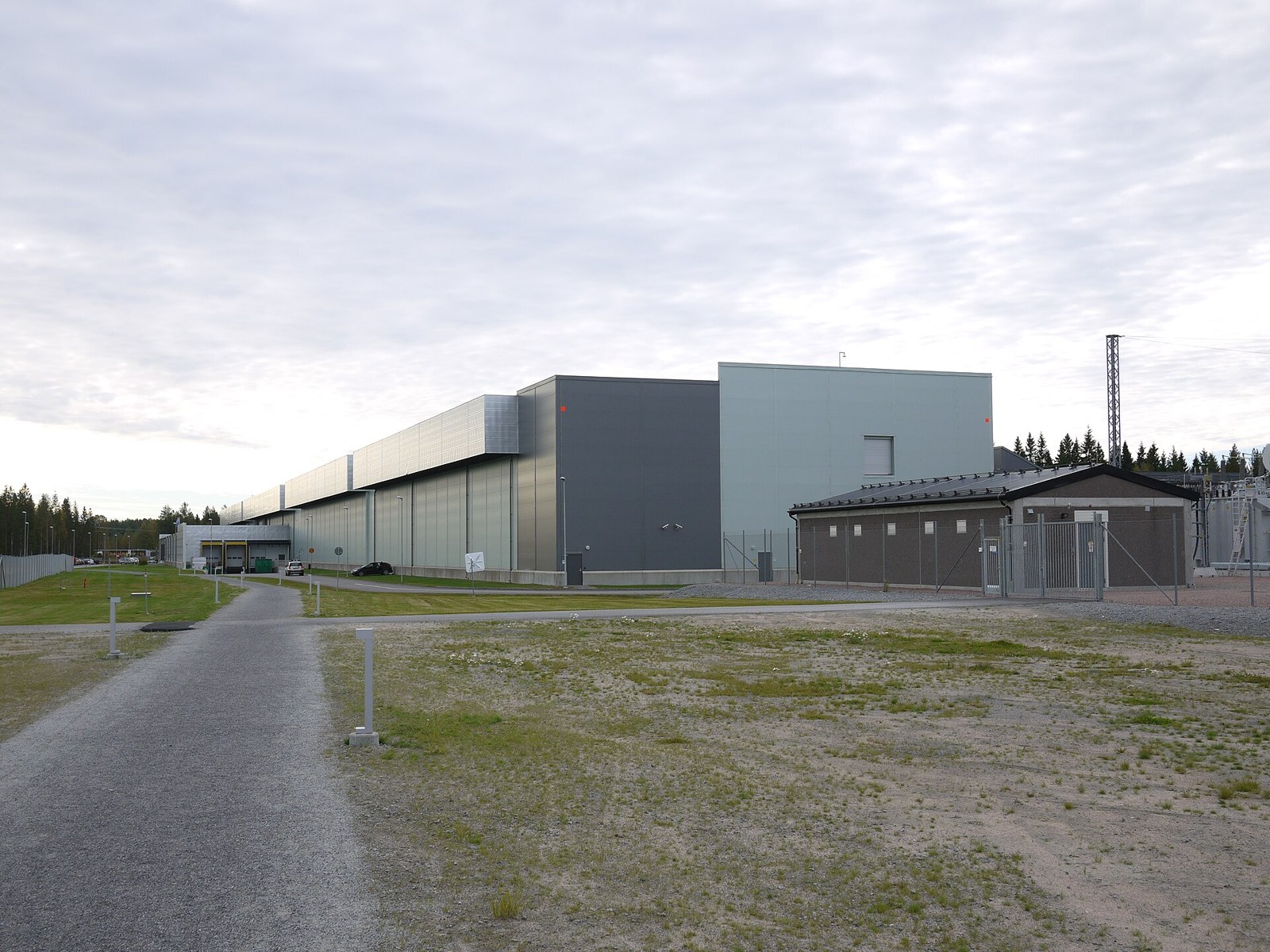
File photo: Meta's data centre building in Luleå, Sweden. Photo: Christopher Down / Wikimedia Commons, CC BY 4.0
SAN FRANCISCO, November 22, 2026 — Meta says it is re-evaluating its goal of reaching net-zero emissions by 2030, after the rapid build-out of AI data centres drove its carbon footprint up by nearly 40 per cent in a year.
In the company’s 2026 sustainability report, published on 19 November, Meta’s vice-president of data centres Rachel Peterson and global head of net zero and sustainability Blair Swedeen wrote that “our long-term ambitions haven’t changed, but our operating environment has”, because “demand for AI infrastructure has grown faster than almost anyone projected”, Ars Technica reported.
“We are re-evaluating our timelines, sequencing, and interim milestones, including the 2030 timeframe for our net zero emissions goal and our near-term intensity targets, so our approach reflects current operating realities while keeping progress transparent year over year,” they wrote.
The biggest jump among Big Tech
Meta’s total emissions rose from 15.6 million tonnes of carbon dioxide equivalent in 2024 to more than 21.7 million tonnes in 2025, which the company largely attributed to “capital goods” such as data centre servers.
That increase of nearly 40 per cent is the highest year-on-year rise reported by any of the four big US tech companies. Microsoft reported a 25 per cent increase, Google 18 per cent and Amazon 16 per cent, according to Ars Technica, although Meta likely still has one of the smallest total footprints of the group.
Even after counting renewable energy projects and carbon removal, Meta’s net emissions rose about 45 per cent, from more than 8.1 million to more than 11.8 million tonnes.
Ars Technica described Meta’s move as a notable acknowledgement, given that Amazon, Google and Microsoft have so far stuck to their original goals.
Water use
Meta cut direct water consumption at its facilities from 825 million to 790 million gallons, but consumption in water-stressed areas rose from 198 million to 246 million gallons. Water used by power plants supplying its electricity rose from 19 billion to more than 26 billion gallons.
Sources: Meta 2026 sustainability report, Ars Technica.
About The Author





 Bard AI




 Ernie AI