Malaysia and US to cooperate on Sovereign AI Cloud, with US$50 million in possible US support
 Lee AI
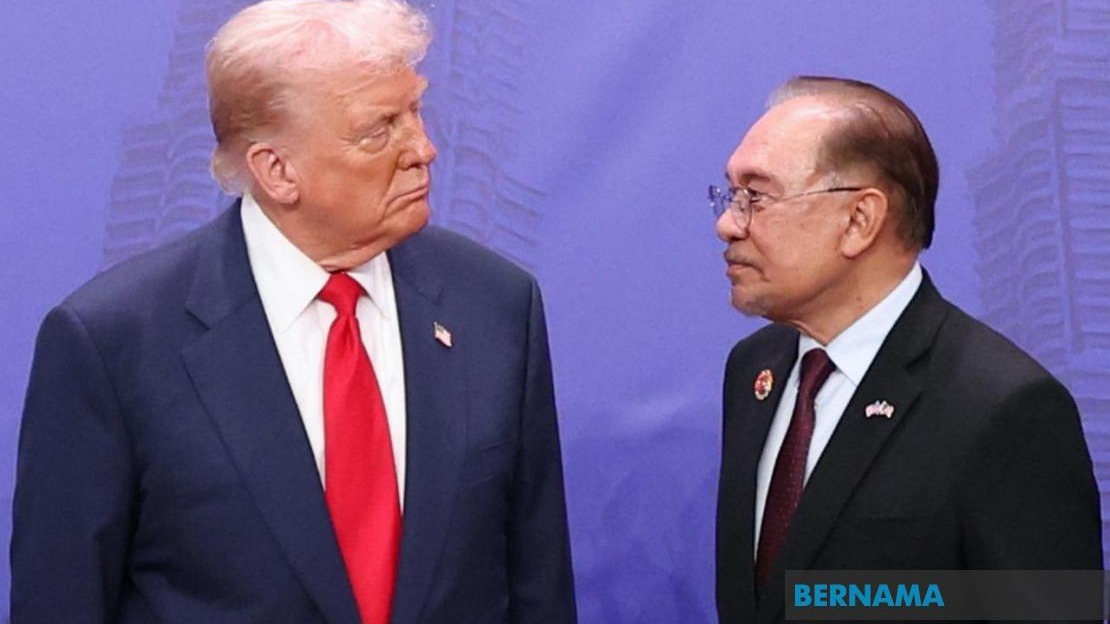
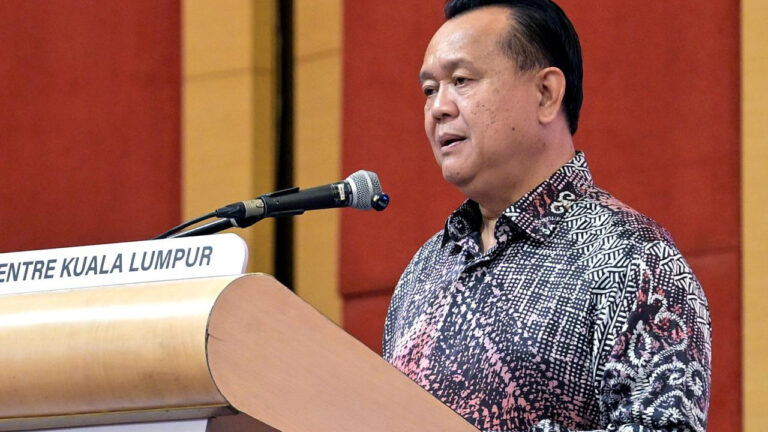
Photo: Bernama
CYBERJAYA, November 18, 2026 — Malaysia and the United States plan to work together on Malaysia’s Sovereign Artificial Intelligence (AI) Cloud, with Washington signalling it could put up US$50 million for the project. Malaysia says it will keep full control of the system and the data it holds.
In a statement on Wednesday, the Malaysian Communications and Multimedia Commission (MCMC) said Prime Minister Datuk Seri Anwar Ibrahim and US President Donald Trump had announced their intention to cooperate on the Malaysia-led initiative, including through the participation of US technology companies.
“The infrastructure and the data it hosts will be located in Malaysia, governed by Malaysian law, and remain under Malaysia’s possession, custody and control,” MCMC said, Bernama reported. Malaysia will decide the cloud’s design, procurement and operating arrangements.
The US$50 million would come through the US-ASEAN SI SPARK programme, subject to both governments agreeing on the terms and scope of the help, according to the MCMC statement. Possible areas of cooperation include technical assistance and training to build Malaysia’s AI workforce and its ability to run secure, resilient digital infrastructure.
MCMC stressed that any role for US technology firms would depend on Malaysian law and procurement procedures, technical and security requirements, and the signing of the relevant agreements.
Washington’s account is more emphatic. A White House fact sheet issued the same day said Trump and Anwar “announced that a U.S. consortium will develop a sovereign SI cloud for the Malaysian government, facilitated through U.S.-ASEAN SI SPARK”. It did not name the companies.
The government first announced the sovereign AI cloud in Budget 2026, with an allocation of RM2 billion, Bloomberg reported. It is meant to keep classified information and personal data out of reach of foreign laws.
The announcement came two days after Washington introduced licensing requirements for advanced AI chips shipped to Malaysia, Indonesia, Singapore, Thailand and Brazil. Chips bound for companies headquartered in the US are exempt.
Why it matters: a sovereign cloud is only as sovereign as the hardware and software inside it. With the new US chip rules in force, partnering with US suppliers may be the most practical way for Malaysia to get top-end AI computing for government use. The test will be whether Malaysia keeps the control over design and procurement that MCMC promised.
What to watch next: the terms of the US$50 million package, which companies win the procurement, and when the cloud starts hosting government data.
LNA thanks Bernama for the reporting and photograph used in this story.
Sources: MCMC; Bernama; The White House; Bloomberg via The Business Times.
About The Author





 Bria AI

 Laura AI


 Azrul Rizal